











 Sets New Benchmarks in Global Cosmetic Education and Women Empowerment](https://worldnow.co.in/wp-content/uploads/2026/05/FB_IMG_1779691614478-360x180.jpg)



Popularity vs Performance: What Vijay’s Rise Could Prove in the Tamil Nadu 2026 Election
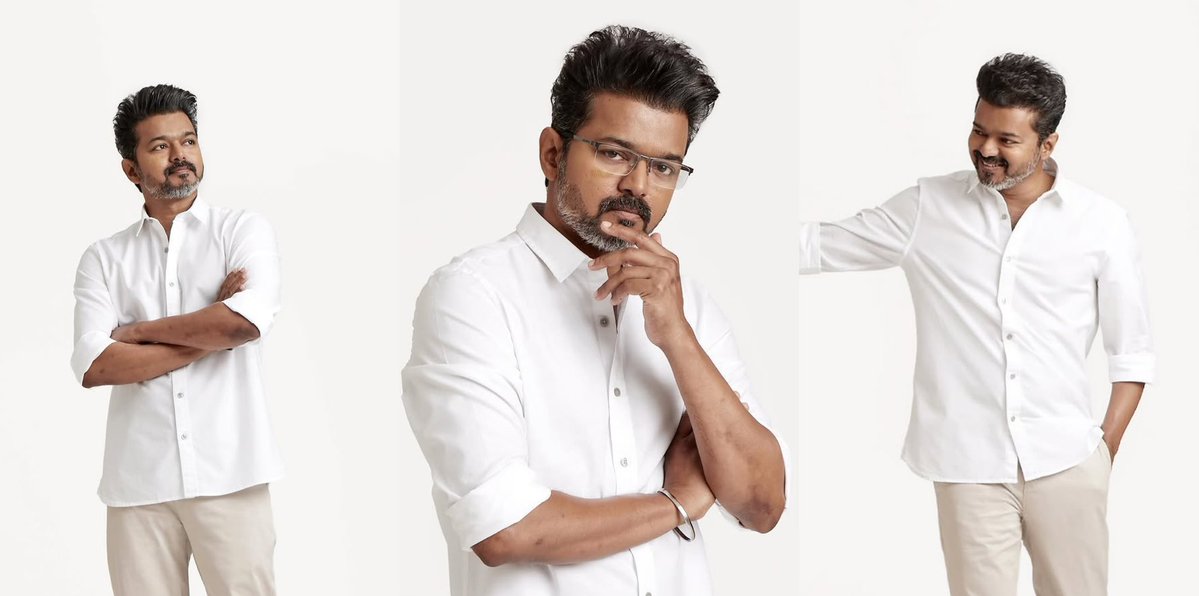
The political landscape of Tamil Nadu is entering a historic transition phase. For decades, electoral politics in the state revolved around structured party machinery, ideological legacy, cadre strength, and long-established Dravidian dominance. But the possible emergence of actor-turned-politician Vijay as Chief Minister in the 2026 Assembly Election could redefine the very meaning of political success in modern India.
The debate is no longer simply about “star power.” It is about whether mass popularity, emotional connection with the public, and cultural influence can evolve into a functioning democratic mandate strong enough to reshape governance.
A New Political Formula Emerging in Tamil Nadu
If Vijay succeeds electorally in 2026, political analysts across India and abroad may interpret it as the rise of a new democratic formula:
Public emotional trust outweighing traditional party structures
Youth-driven political mobilization
Cinema influence transforming into governance legitimacy
Anti-establishment sentiment becoming decisive
Digital-era leadership replacing conventional campaign politics
Unlike traditional leaders who spent decades inside party structures, Vijay’s political growth represents a direct transition from cultural icon to mass political challenger. This makes the Tamil Nadu election one of the most closely watched democratic experiments in contemporary Indian politics.
Popularity vs Administrative Performance
The core political question surrounding Vijay’s rise remains clear:
> Can extraordinary popularity translate into administrative performance?
Historically, Tamil Nadu voters have often valued welfare governance, administrative efficiency, social justice, and leadership stability. Therefore, if Vijay becomes Chief Minister, it would indicate that voters now believe charisma alone is not enough — but charisma combined with hope, clean image, disciplined messaging, and public accessibility can become a powerful political force.
It would also prove that:
Modern voters are willing to take calculated political risks
Emotional identification with a leader can rival ideological loyalty
Younger generations seek faster political transformation
Political branding now plays a crucial role in elections
The End of Conventional Political Assumptions?
For years, Indian politics largely operated on the assumption that:
cadre networks decide elections,
alliances determine survival,
and legacy parties dominate governance.
A Vijay victory could challenge all three assumptions.
His rise would symbolize:
the power of grassroots fan mobilization,
decentralized digital campaigning,
direct voter communication,
and personality-centered politics in the social media era.
This would not only impact Tamil Nadu politics but could influence future political strategies across India.
Why the 2026 Tamil Nadu Election Matters Internationally
Global observers often study Tamil Nadu as one of India’s most politically conscious and socially active states. If a cinema icon successfully transforms public popularity into electoral governance, international political analysts may compare the development with:
celebrity-driven democracies,
media-powered political movements,
and modern populist leadership trends worldwide.
The election could become a case study in:
political communication,
democratic psychology,
mass emotional leadership,
and cultural influence in electoral systems.
Challenges Vijay Would Still Face
Even if elected, the real test would begin after victory.
The expectations from the people of Tamil Nadu would include:
economic development,
employment generation,
administrative stability,
industrial growth,
social harmony,
and transparent governance.
Public popularity can create political momentum, but long-term leadership depends on governance performance. Tamil Nadu’s electorate has historically rewarded delivery over symbolism.
A Defining Moment in Tamil Nadu’s Political History
If Vijay becomes Chief Minister in 2026, it may ultimately prove one major political truth:
> In the modern democratic era, emotional connection with people can become as powerful as political legacy — but only performance can sustain that trust.
The 2026 election may therefore be remembered not merely as a political contest, but as a turning point between traditional Dravidian political structures and a new generation of personality-driven democratic politics.