










 Sets New Benchmarks in Global Cosmetic Education and Women Empowerment](https://worldnow.co.in/wp-content/uploads/2026/05/FB_IMG_1779691614478-360x180.jpg)

ADMK’s Internal Power Struggles Threaten the MGR–Jayalalithaa Political Legacy
The post-election turbulence within All India Anna Dravida Munnetra Kazhagam has exposed a deeper crisis that extends far beyond electoral defeat. What is unfolding inside the party is no longer a routine phase of political recovery, but a dangerous cycle of factionalism that risks weakening the very legacy built by M. G. Ramachandran and J. Jayalalithaa.
Political observers note that even if the party had emerged victorious in the recent elections, the internal dramas currently surfacing may still have erupted. Instead of engaging in serious introspection after the defeat, various camps within the party appear to have focused on power consolidation and leadership calculations.
No significant internal review mechanism was visibly initiated to examine the reasons behind the electoral setback. There were no structured committees announced to assess campaign failures, organizational weaknesses, public dissatisfaction, or strategic errors. The absence of such corrective political exercises has raised concerns among party loyalists and long-time supporters.
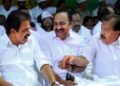
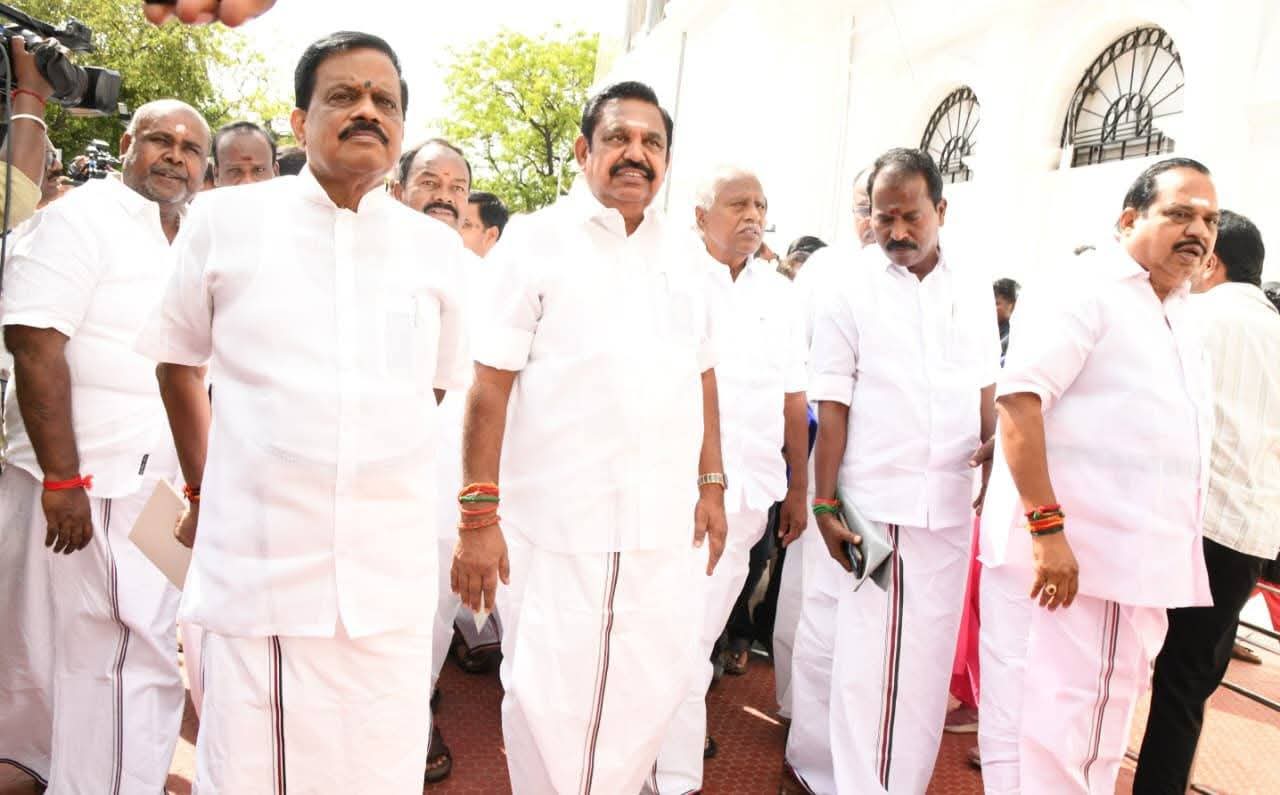
At the center of the growing speculation is what many perceive as an organized attempt to politically isolate or weaken Edappadi K. Palaniswami. While internal competition is not uncommon in major political parties, analysts warn that unchecked factional battles could push the party into long-term instability.
Senior leaders and district-level functionaries are now facing mounting pressure to prioritize unity over individual ambitions. Political experts argue that without a collective rebuilding strategy, alliances alone cannot revive the party’s fortunes. Electoral partnerships may provide temporary arithmetic advantages, but without grassroots confidence and internal cohesion, voter trust cannot be regained.
The larger concern remains the emotional disconnect developing between the leadership and the cadre base. Grassroots workers, once considered the backbone of the party’s organizational strength, may gradually lose confidence if infighting continues to dominate public perception. In Tamil Nadu politics, cadre morale and public image often determine long-term political survival more than temporary alliances or media narratives.
The current situation represents a defining crossroads for the party. Either its leadership chooses reconciliation, organizational reform, and ideological clarity — or the continued factional games may irreversibly damage one of Tamil Nadu’s most influential political movements.
—
Key Points
Internal factionalism has overshadowed post-election introspection.
No major review committees were formed to study the electoral defeat.
Growing speculation suggests attempts to politically isolate Edappadi Palaniswami.
Senior leaders are being urged to unite for organizational revival.
Alliances alone cannot restore lost voter confidence without internal unity.
Cadre morale and public trust are increasingly at risk.
Continued infighting could weaken the legacy of MGR and Jayalalithaa.