














 Sets New Benchmarks in Global Cosmetic Education and Women Empowerment](https://worldnow.co.in/wp-content/uploads/2026/05/FB_IMG_1779691614478-360x180.jpg)




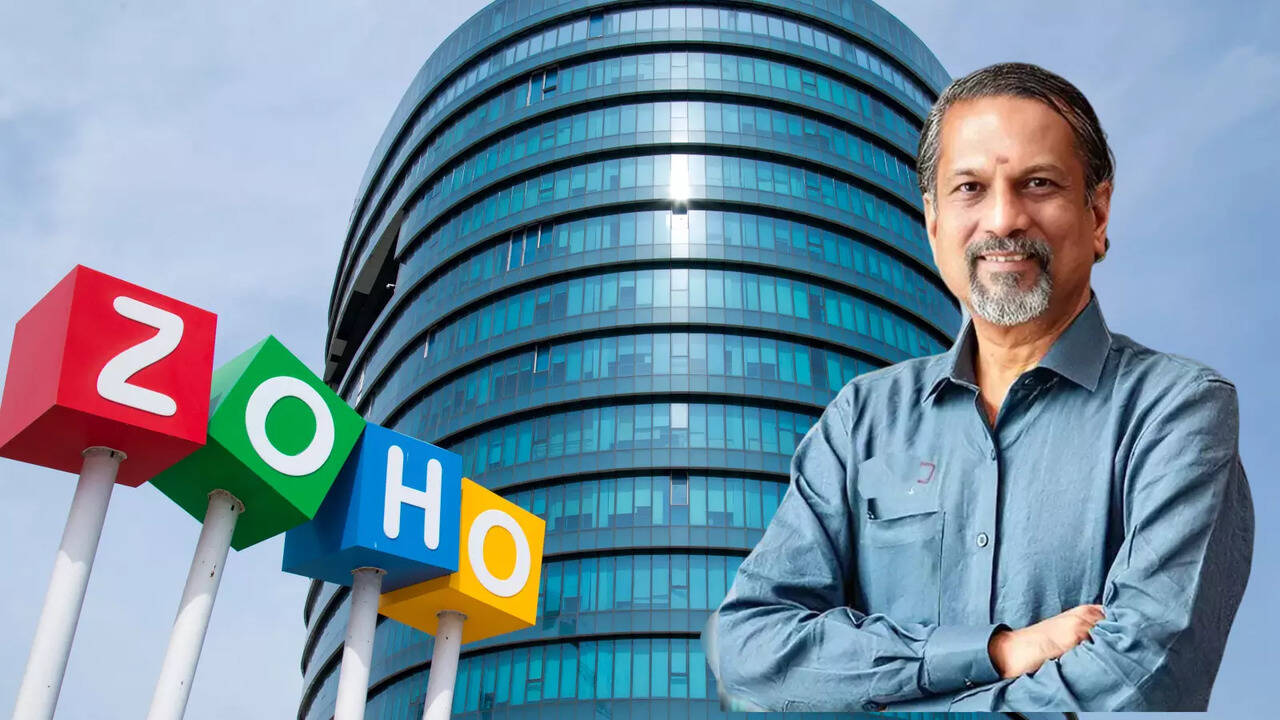
Modi’s Fuel-Saving Appeal Revives Work-From-Home Debate as Zoho Signals Policy Rethink
In a development that could reshape India’s evolving workplace culture, Prime Minister Narendra Modi has reignited the national conversation around remote work by urging citizens and businesses to adopt fuel-saving measures amid rising geopolitical tensions and increasing global energy costs.
Responding swiftly to the Prime Minister’s appeal, Sridhar Vembu, the Chief Scientist of Zoho Corporation, indicated that the company may reconsider its current work-from-home (WFH) policies in support of broader national economic and energy-saving efforts.
The statement has sparked renewed discussions across India’s corporate sector, where many companies had already begun transitioning employees back to office spaces after the COVID-19 pandemic.
A National Call for Energy Conservation
Prime Minister Modi’s message comes at a time when global oil prices and energy supply chains remain under pressure due to ongoing international conflicts and economic uncertainty. By encouraging reduced fuel consumption, the government aims to minimize unnecessary travel, lower import dependency, and strengthen economic resilience.
Industry observers note that remote work could once again emerge as a practical strategy not only for employee flexibility, but also for reducing urban traffic congestion, fuel demand, and carbon emissions.
Zoho’s Response Gains Attention
Sridhar Vembu, known for advocating decentralized work models and rural development, suggested that Zoho is open to revisiting flexible work arrangements if they align with national priorities.
Zoho had previously gained international attention for promoting rural workspaces and distributed teams long before remote work became mainstream during the pandemic. Vembu’s latest remarks are now being viewed as a signal that Indian technology firms may once again explore hybrid or remote-first operational models.
Corporate India May Reassess Workplace Strategies
Experts believe the Prime Minister’s appeal could influence broader corporate thinking, especially among technology, IT services, consulting, and digital businesses where remote operations remain feasible.
Potential benefits of expanded work-from-home policies include:
Reduced fuel consumption and commuting costs
Lower traffic congestion in major cities
Improved work-life balance for employees
Reduced operational expenses for companies
Environmental benefits through lower emissions
However, some business leaders continue to emphasize the importance of in-person collaboration, organizational culture, and productivity monitoring, indicating that any large-scale shift may likely favor hybrid models rather than a complete return to remote work.
The Future of Work in India
The renewed conversation around WFH reflects a larger global debate about the future of employment in a post-pandemic world. While many organizations worldwide have pushed for office returns, rising energy concerns and digital transformation continue to make remote work an attractive alternative.
As India balances economic growth, sustainability, and workforce expectations, the coming months may determine whether work-from-home becomes more than just a pandemic-era solution — evolving instead into a long-term national productivity and energy strategy.


 Sets New Benchmarks in Global Cosmetic Education and Women Empowerment](https://worldnow.co.in/wp-content/uploads/2026/05/FB_IMG_1779691614478-120x86.jpg)