






















Spanish Scientist Reports Breakthrough That Eliminates Pancreatic Cancer in Lab Models
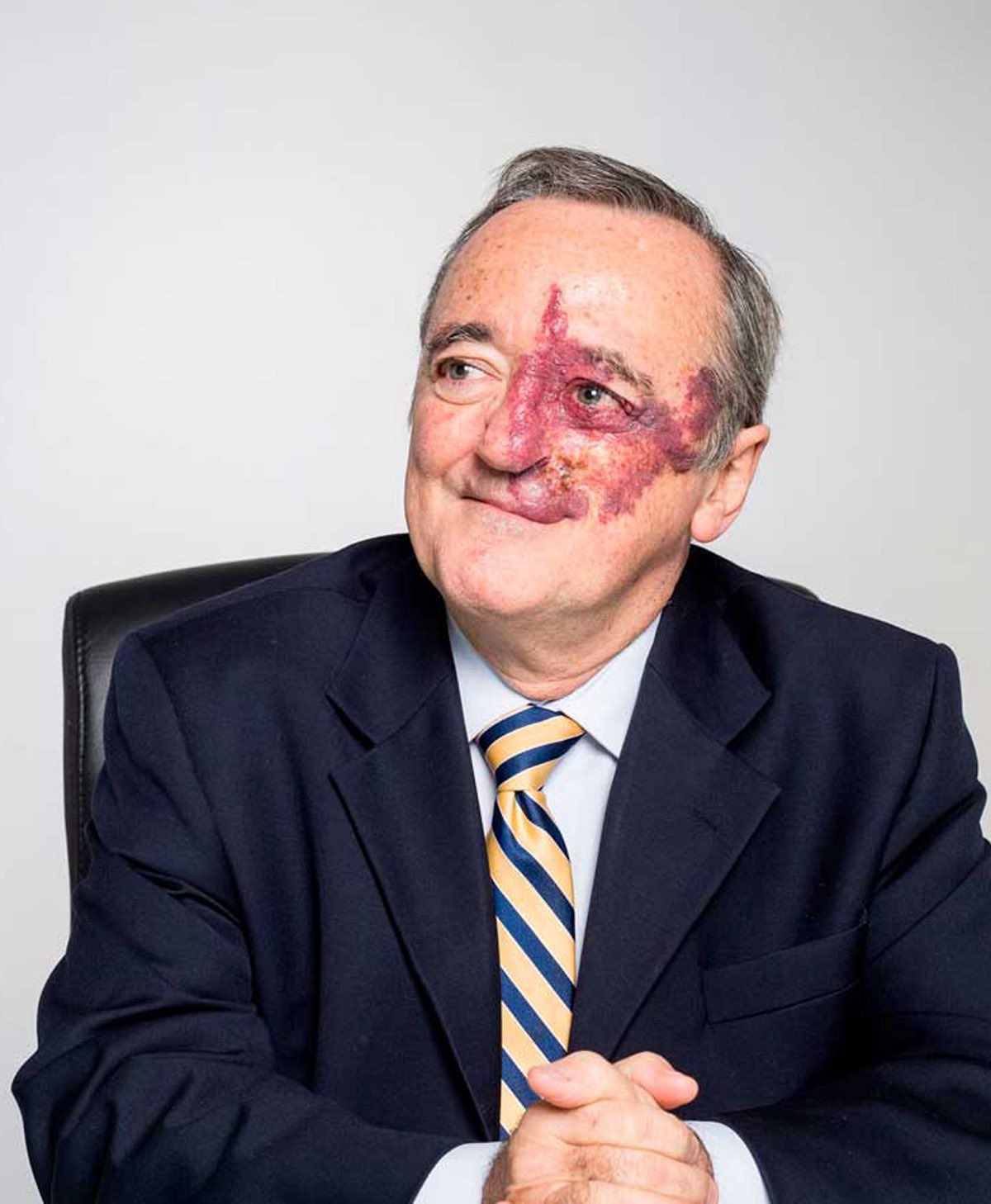
A team of scientists in Spain has achieved a major scientific milestone in pancreatic cancer research that could transform how the disease is treated. The work was led by renowned cancer biologist Dr. Mariano Barbacid at the Spanish National Cancer Research Centre (CNIO).
The researchers developed a new triple-drug therapy that made pancreatic tumors completely and permanently disappear in laboratory mice — including models using human cancer cells.
Pancreatic cancer, especially a form called pancreatic ductal adenocarcinoma, is one of the most deadly cancers, with very low survival rates worldwide and few effective treatments. Currently, surgery is the only proven cure, and it can be used in only about 20% of cases.
The new treatment works by blocking cancer growth at three key points at the same time. In experimental models, this prevented the tumors from coming back, even many weeks after treatment stopped.
Early results also show the therapy was well tolerated in animals, with no major side effects.
Scientists say the findings are very promising and could be the basis for future human clinical trials. However, experts caution that success in animals does not guarantee the same results in patients. Extensive testing will be needed before the treatment can be used in people.
If confirmed in humans, this could be a turning point in the fight against one of the world’s most aggressive and deadly cancers.