











 Sets New Benchmarks in Global Cosmetic Education and Women Empowerment](https://worldnow.co.in/wp-content/uploads/2026/05/FB_IMG_1779691614478-360x180.jpg)



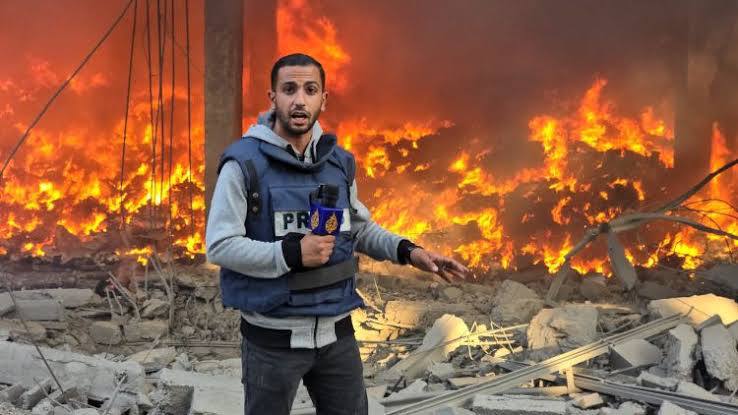
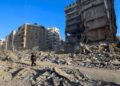
Gaza City, August 11, 2025 — The ongoing Israel-Gaza war, which began on October 7, 2023, has been labeled the deadliest conflict for journalists in modern history, with at least 237 journalists and media workers killed, according to the Gaza Government Media Office. The Committee to Protect Journalists (CPJ), a U.S.-based organization monitoring press freedom, reports a slightly lower figure of 186 confirmed deaths as of July 30, 2025, with 178 Palestinian, two Israeli, and six Lebanese journalists among the casualties. The International Federation of Journalists (IFJ) has documented at least 159 deaths, underscoring the unprecedented toll on media professionals. Yet, despite this staggering loss, much of the world remains silent on the crisis.
Causes of Death
The majority of journalist deaths—approximately two-thirds—have been attributed to Israeli airstrikes, with drone strikes being the second most frequent cause, claiming over two dozen lives, according to CPJ data. Notable incidents include the October 10, 2023, airstrike on Hajji Tower, which killed three journalists covering the evacuation of a nearby building, and the March 31, 2024, attack on a journalists’ tent at Al-Aqsa Hospital, described by Al Jazeera as evidence of systematic targeting.
On August 10, 2025, five Al Jazeera staff members, including correspondent Anas al-Sharif, were killed in an Israeli airstrike on a media tent outside Al-Shifa Hospital in Gaza City, bringing the total to 237, according to Gaza’s Media Office. The Israeli Defense Forces (IDF) claimed al-Sharif was a Hamas operative, a charge Al Jazeera and CPJ have rejected as unsubstantiated. Other reported causes include shootings, with freelance photojournalist Fadi al-Wahidi shot in the neck by Israeli forces in October 2024, and targeted attacks on media tents and homes.
Context and Allegations
The CPJ and Reporters Without Borders (RSF) have accused Israel of deliberately targeting journalists, citing 35 cases by the end of 2024 where journalists were likely killed for their work. The IDF denies these allegations, asserting that it targets only military objectives and that some journalists may be Hamas operatives, a claim disputed by media organizations for lack of credible evidence. The targeting of journalists is considered a war crime under international law, and South Africa’s 2023 case against Israel at the International Court of Justice cited journalist deaths as evidence of alleged genocidal acts. Still, the global response has been muted, with limited action to address these violations.
Ongoing Challenges
In addition to fatalities, nearly 400 journalists have been wounded, 89 arrested, and multiple media facilities destroyed, further hampering reporting from Gaza. The blockade on foreign journalists entering Gaza has left Palestinian reporters, often working under dire conditions, as the primary source of information, facing displacement, famine, and constant danger. Despite these sacrifices, the international community’s silence has left many journalists feeling abandoned in their pursuit of truth.
International Response
The United Nations and global media organizations have condemned the killings, with UNESCO awarding its 2024 World Press Freedom Prize to Palestinian journalists in Gaza. CPJ’s regional director, Sara Qudah, stated, “Journalists cannot carry out their work—let alone survive—while being deliberately starved and denied life-saving aid.” The IFJ has urged investigations into these deaths, but the lack of decisive global action has drawn criticism, with many questioning why the world remains largely silent in the face of such atrocities.
As the conflict continues, the loss of journalists has created what the Costs of War project describes as a “news graveyard,” with Gaza’s media landscape devastated by the scale of violence. The international community faces growing pressure to break its silence and ensure the safety of those reporting from the war zone.
Sources: Committee to Protect Journalists, Gaza Government Media Office & International Federation of Journalists