
























Why the Media Must Amplify the Climate Change Conversation
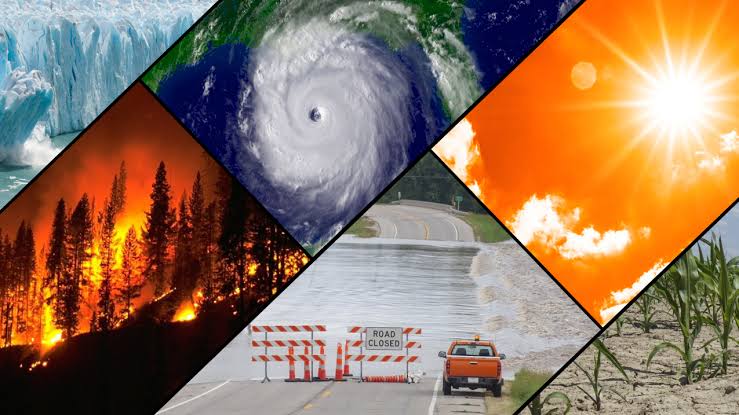
As the world grapples with escalating environmental crises—wildfires, hurricanes, droughts, and rising sea levels—the role of the media in addressing climate change has never been more critical. The climate crisis is not a distant threat but a present reality, impacting economies, communities, and ecosystems globally. Yet, despite its urgency, climate change often struggles to secure consistent, prominent coverage in mainstream media. This article explores why the media must prioritize climate change, delving into its societal, economic, and ethical implications through a deep analysis of current trends, data, and public sentiment.
The Urgency of Climate Change: A Global Imperative
Climate change is no longer a speculative issue confined to scientific journals. The Intergovernmental Panel on Climate Change (IPCC) 2023 Synthesis Report underscores that global temperatures have already risen by approximately 1.1°C above pre-industrial levels, with catastrophic consequences if warming exceeds 1.5°C. Extreme weather events have intensified: in 2024 alone, Hurricane Milton devastated parts of Florida, while unprecedented heatwaves scorched Europe and South Asia. The World Bank estimates that by 2050, climate change could displace over 200 million people, exacerbating poverty and geopolitical instability.
Despite this, media coverage often treats climate change as a secondary issue, overshadowed by political scandals, economic fluctuations, or celebrity news. A 2024 study by the Media and Climate Change Observatory found that only 4% of global news coverage in major outlets was dedicated to climate-related stories, a marginal increase from previous years. This gap in reporting undermines public awareness and delays collective action.
The Media’s Role in Shaping Public Perception
The media serves as a gatekeeper of public discourse, influencing how issues are prioritized and understood. Climate change, with its complex science and long-term consequences, often struggles to compete with immediate, sensational stories. However, the media’s framing of climate issues can significantly shape public attitudes. A 2025 Pew Research Center survey revealed that 65% of people in developed nations rely on news outlets for climate information, yet only 40% feel adequately informed about actionable solutions.
When media coverage is sporadic or alarmist, it risks fostering apathy or despair. For instance, sensational headlines about “doomsday” scenarios can paralyze audiences, while underreporting local climate impacts disconnects readers from tangible consequences. Balanced, consistent reporting—highlighting both challenges and solutions—can bridge this gap. Stories about renewable energy advancements, community resilience, or corporate sustainability efforts can inspire action and counter feelings of helplessness.
Economic and Political Dimensions: A Missed Opportunity
Climate change is not just an environmental issue; it’s an economic and political one. The International Monetary Fund (IMF) estimates that unmitigated climate change could reduce global GDP by 10% by 2050, with developing nations facing disproportionate losses. Meanwhile, the transition to a green economy—through investments in clean energy, sustainable agriculture, and green infrastructure—could create millions of jobs. The International Labour Organization projects that a shift to renewables could generate 24 million jobs globally by 2030.
Yet, media outlets often fail to connect these economic opportunities to climate action. Political coverage, too, frequently sidelines climate issues, despite their relevance to elections and policy debates. In the 2024 U.S. presidential election, climate change was mentioned in only 8% of major news segments, according to Media Matters for America, despite its impact on energy policy, infrastructure, and national security. By framing climate change as a standalone issue rather than an integral part of economic and political narratives, the media misses opportunities to engage broader audiences.
The Ethical Imperative: Giving Voice to the Vulnerable
Climate change disproportionately affects marginalized communities—low-income groups, indigenous populations, and developing nations—who contribute the least to global emissions. The Global South, responsible for less than 20% of historical emissions, faces severe consequences, from rising sea levels in Bangladesh to desertification in sub-Saharan Africa. Ethical journalism demands amplifying these voices, yet they remain underrepresented in global media.
A 2025 analysis of X posts revealed a growing demand for climate justice stories, with hashtags like #ClimateJustice and #GlobalSouth trending among activists and grassroots organizations. However, mainstream outlets often prioritize Western perspectives, focusing on climate impacts in wealthier nations. This imbalance perpetuates inequity and limits global solidarity. Media outlets must diversify their sources, spotlighting local leaders and communities on the frontlines of climate impacts.
Challenges in Climate Reporting
Several barriers hinder robust climate coverage. First, the complexity of climate science can intimidate journalists without specialized training. Second, media outlets face pressure to prioritize stories with immediate audience appeal, often at the expense of long-term issues like climate change. Third, misinformation—spread by vested interests or amplified on platforms like X—complicates accurate reporting. A 2025 report by the Center for Countering Digital Hate found that 15% of climate-related posts on X contained misleading claims, such as denying the link between fossil fuels and warming.
To overcome these challenges, media organizations must invest in climate journalism training, foster collaborations with scientists, and adopt data-driven storytelling. Interactive tools, such as visualizations of carbon emissions or sea-level rise projections, can make abstract concepts more accessible. Outlets like The Guardian, which dedicated a permanent section to climate coverage in 2024, serve as models for sustained, impactful reporting.
The Path Forward: A Call to Action
The media has a unique power to inform, inspire, and mobilize. To fulfill this responsibility, outlets must:
1. Increase Frequency and Depth: Dedicate regular segments to climate stories, integrating them into economic, political, and cultural reporting.
2. Highlight Solutions: Balance problem-focused coverage with stories of innovation, such as advancements in carbon capture or grassroots adaptation efforts.
3. Amplify Marginalized Voices: Center narratives from communities most affected by climate change, fostering global empathy and action.
4. Combat Misinformation: Partner with fact-checking organizations to counter false narratives and promote evidence-based reporting.
5. Engage Audiences: Use multimedia—videos, podcasts, and interactive graphics—to make climate stories relatable and actionable.
Conclusion
The climate crisis demands a media landscape that reflects its urgency, complexity, and interconnectedness. By prioritizing consistent, inclusive, and solutions-oriented coverage, the media can galvanize public support, hold policymakers accountable, and drive systemic change. As the world stands at a critical juncture, the media’s voice is not just a tool for information—it’s a catalyst for survival.
For more information on climate action, visit the IPCC at ipcc.ch.