




















India’s Waste Management: An International-Standard Status Report (2026)
New Delhi, FEB 2, 2026 — India’s waste management system is at a critical crossroads, balancing massive waste generation with evolving policy reforms, technological innovation, and intensified action by central and state governments. Despite measurable progress, significant environmental and implementation challenges remain as the country adapts to its newest nationwide framework for sustainable waste governance.
Current Waste Generation & Handling: The Big Picture
India produces an enormous volume of waste across multiple streams:
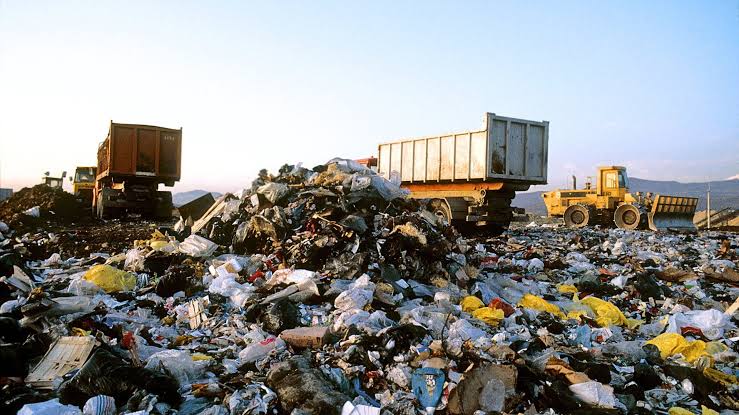
• Solid Waste: Around 1.85 lakh tonnes of municipal solid waste (MSW) daily (≈62 million tonnes annually). Of this, approximately 1.79 lakh tonnes is collected, but only 1.14 lakh tonnes is processed or treated, leaving nearly 39,629 tonnes sent to landfills each day.
• Legacy Waste: A substantial portion of accumulated waste from previous years remains unprocessed — with only a fraction remediated. Recent data suggest only about 17 % of legacy dumpsites have been addressed, while the rest await action.
• Waste Types: Beyond MSW, India handles millions of tonnes of hazardous waste, plastic waste, e-waste and biomedical waste each year — with recycling and safe processing systems still under expansion.
• Future Projections: The Central Pollution Control Board (CPCB) estimates that total waste generation may reach 165 million tonnes by 2030, driven by urbanisation and rising consumption.
Central Government Initiatives: Policy Overhaul & Implementation
1) New National Framework: Solid Waste Management (SWM) Rules 2026
The most significant policy development is the Solid Waste Management Rules, 2026, notified by the Ministry of Environment, Forest and Climate Change. These rules, effective from 1 April 2026, overhaul India’s waste governance with three major aims:
• Mandatory Source Processing: All bulk generators — including residential societies, government buildings, universities and commercial establishments generating over 100 kg of waste daily — must process waste at the source.
• Four-Stream Segregation: Waste must now be segregated at source into wet, dry, sanitary, and special care waste (including hazardous items such as bulbs, batteries and e-waste).
• Circular Economy Focus: The rules promote reuse, recycling and energy recovery with landfill disposal only as a last resort. A new polluter-pays principle introduces penalties and higher fees for unsegregated and unmanaged waste.
• Digital Monitoring: The CPCB will lead real-time data tracking to improve efficiency and transparency.
This regulatory overhaul represents India’s shift from traditional waste collection toward sustainable, decentralized management with accountability across all sectors.
2) National Campaigns & Missions
• Swachh Bharat Mission (Urban & Rural): Since 2014, the SBM has expanded sanitation and waste management infrastructure in both urban and rural India. Under Phase-2 (SBM-U 2.0), cities are being equipped with Material Recovery Facilities (MRFs), waste-to-energy plants and recycling infrastructures to bolster processing capacity beyond 1.06 lakh tonnes/day.
• Extended Producer Responsibility (EPR): Manufacturers of plastic packaging, electronics, batteries and other waste-intensive products are now accountable for collection and recycling efforts throughout the product lifecycle.
State & Local Government Efforts: Progress & Pitfalls
Across India’s states and cities, implementation varies widely — from proactive innovation to operational strain.
Positive Successes
• Chennai, Tamil Nadu: The Greater Chennai Corporation has reclaimed 100 acres of landfill land by processing 48.41 lakh tonnes of legacy waste through biomining.
• Dehradun, Uttarakhand: Local NGOs have achieved ≈95 % segregation at the community level, showing how public engagement can elevate system performance.
• Kerala: Introduction of AI-powered cleaning robots and expansion of sanitary waste plants reflect state innovation aimed at improving worker safety and efficiency.
Operational Challenges
• Legacy Waste Delays: Projects like Gurugram’s Bandhwari landfill and Ludhiana’s waste processing contracts have suffered delays and inefficiencies, undermining progress toward timely remediation.
• Municipal Performance Variability: Some city corporations — such as Panchkula — have launched clean drives in response to poor national rankings, highlighting inconsistent performance across regions.
• Local Enforcement Gaps: Many cities still struggle with illegal dumping, inadequate collection systems and weak enforcement of segregation norms.
Central & State Collaboration: Strategic Alignment
The central government sets policy direction and national standards, while state governments and urban local bodies (ULBs) execute strategies and tailor solutions to local needs. This multi-tier governance model has strengths, but also operational gaps:
Strengths:
✔ National rules provide uniform standards across India.
✔ Dedicated funding and high-profile missions elevate waste management on political agendas.
Challenges:
⚠ Disparities in capacity and funding at local levels.
⚠ Delays in legacy waste remediation projects.
⚠ Enforcement of new segregation and processing rules will require sustained administrative vigilance and public participation.
Outlook & Key Metrics to Watch
| Indicator | Current / Latest | Target / Trend |
|---|---|---|
| Daily MSW generation | ~1.85 lakh tonnes/day | Increasing toward 2+ lakh/day by 2030 |
| Waste collected | ~1.79 lakh tonnes/day | >98 % coverage desired |
| Waste processed | ~1.14 lakh tonnes/day | SWM 2026 aims to boost recovery & recycling |
| Legacy waste remediated | ~17 % | Accelerated action needed |
Conclusion: A Transition in Motion
India’s waste management journey reflects massive scale, deep challenges, and emerging innovation. The adoption of the SWM Rules 2026 marks a significant policy shift toward sustainable, source-oriented waste governance that aligns with global best practices. However, the real test lies in effective implementation, intergovernmental coordination, and empowered civic engagement.
While significant action is underway in cities like Chennai, Dehradun and Thiruvananthapuram, nationwide progress depends on overcoming operational bottlenecks, legacy waste backlogs and resource constraints. With continued policy momentum and collaborative governance, India aims to chart a credible pathway toward environmental sustainability, circular economy integration, and healthy urban ecosystems in the years ahead.