























US Pulls Non-Emergency Staff from Gulf as Embassies Shut and Drone Strikes Hit Riyadh
The United States has begun withdrawing non-emergency diplomatic staff and their families from several Gulf countries as the escalating conflict between and widens across the Middle East, triggering embassy closures, airspace shutdowns, and renewed security threats in the region.
Multiple US embassies in the Gulf temporarily suspended routine operations on Tuesday, citing heightened security concerns following a series of drone and missile attacks that reportedly targeted areas near . While Saudi authorities said air defence systems intercepted several hostile drones, the incidents have intensified fears of a broader regional spillover.
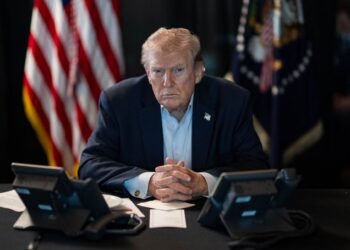
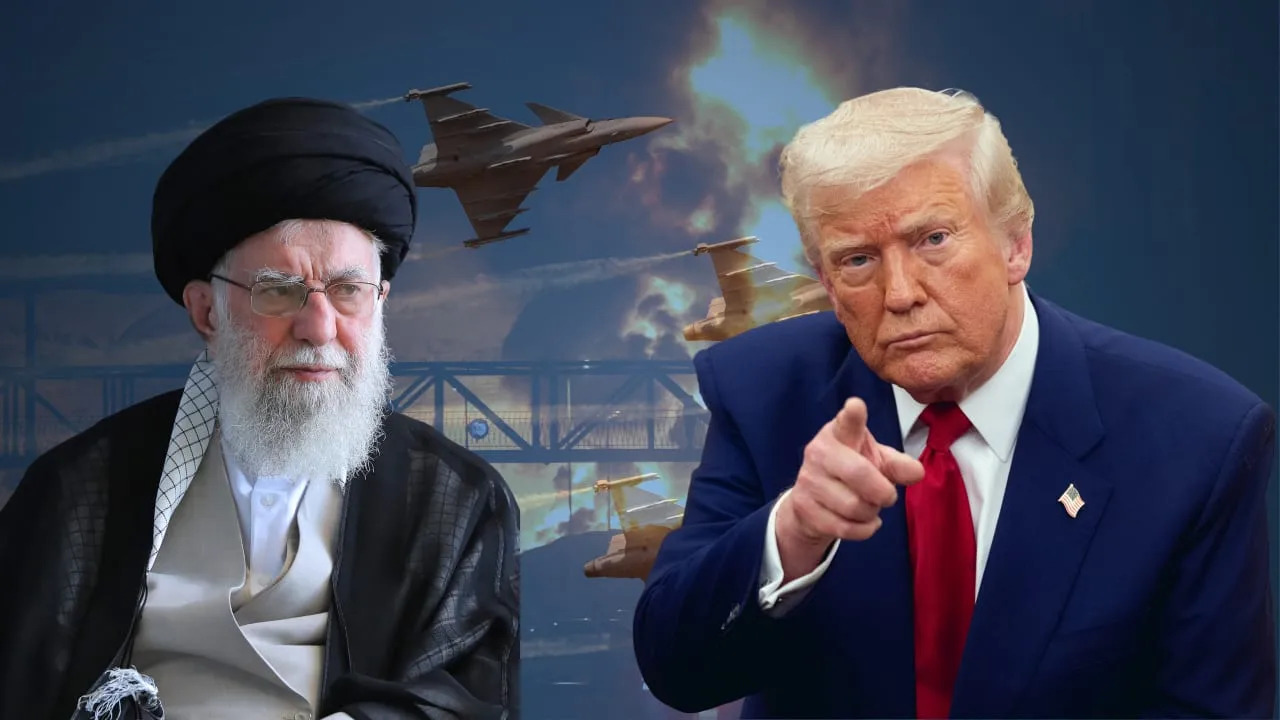
US President said the unfolding military operations linked to the Iran–Israel confrontation could continue “for weeks,” warning that the situation remains highly volatile. Speaking to reporters, Trump emphasised that Washington’s primary focus is the safety of American citizens and diplomatic personnel across the Middle East.
“The region is entering a very dangerous phase,” Trump said. “We are taking precautionary steps to protect our people while continuing to monitor developments closely.”
According to US officials, evacuation efforts have been complicated by widespread airspace restrictions and airport closures across parts of the Gulf, Israel, and neighbouring regions. Commercial flights have been cancelled or rerouted, leaving thousands of foreign nationals—including US citizens—stranded as governments scramble to arrange alternative evacuation corridors.
Pentagon sources confirmed that additional naval and air assets have been repositioned in the region to support evacuation and contingency operations if required. However, officials stressed that the United States is not currently planning a full diplomatic withdrawal and that emergency staff remain in place to handle critical functions.
Regional analysts warn that continued drone strikes, proxy attacks, and retaliatory military actions could further destabilise key Gulf states and disrupt global energy markets. Diplomatic efforts to contain the conflict have so far yielded limited results, with major powers urging restraint amid fears of a wider war.
As tensions remain high, US authorities have advised American citizens in the Middle East to remain vigilant, avoid non-essential travel, and closely follow guidance issued by local embassies.