























First 17 Days of the U.S.–Israeli Campaign Against Iran: Escalation, Precision Strikes, and Global Alarm
March 2026
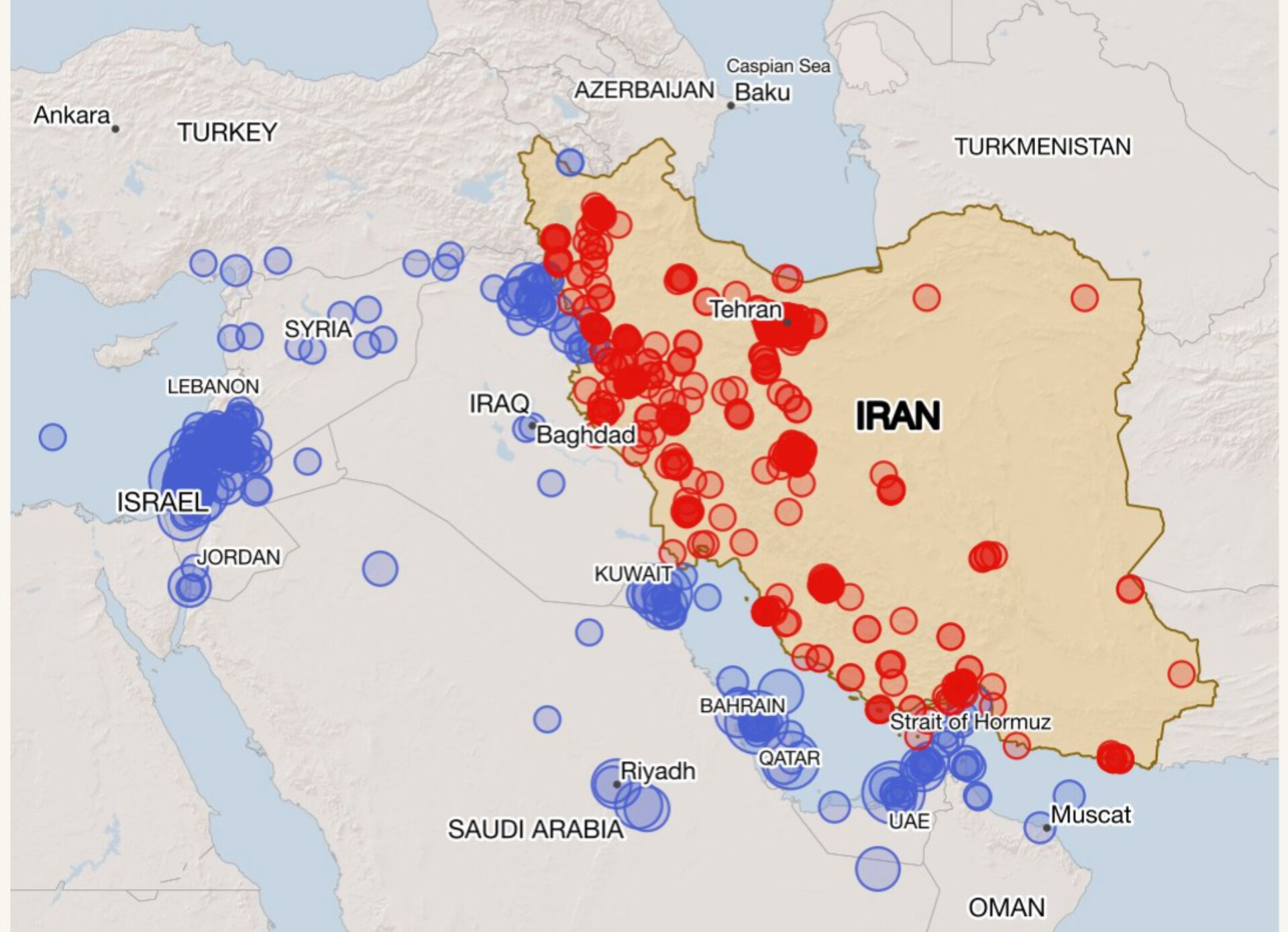
In a rapidly evolving geopolitical crisis, the first 17 days of the joint military campaign led by the United States and Israel against Iran have marked one of the most intense confrontations in the Middle East in recent decades. What began as targeted strategic strikes has now expanded into a broader regional security flashpoint, drawing international concern and raising fears of a prolonged conflict.
Phase One: Opening Strikes and Strategic Objectives (Days 1–5)
The campaign commenced with precision airstrikes on key Iranian military and nuclear-linked facilities. U.S. and Israeli defense officials stated that the objective was to “neutralize imminent threats,” particularly Iran’s alleged advancements in uranium enrichment and missile capabilities.
Initial targets reportedly included:
Revolutionary Guard bases
Air defense systems
Suspected nuclear infrastructure sites
Iran responded within 48 hours by launching retaliatory missile and drone strikes toward Israeli military installations. While Israel’s advanced missile defense systems intercepted many incoming threats, some damage was reported in southern regions.
Phase Two: Regional Spillover and Proxy Engagement (Days 6–10)
By the second week, the conflict began spilling beyond direct state-to-state confrontation. Iran-aligned groups across the region intensified their activities:
Militias in Iraq launched attacks on U.S. bases
Hezbollah forces in Lebanon increased cross-border shelling into northern Israel
Houthi rebels targeted shipping routes in the Red Sea
The United States reinforced its military presence in the Persian Gulf, deploying additional naval assets, including aircraft carrier strike groups. Meanwhile, Israel expanded its operations to target weapons supply routes believed to be controlled by Iranian proxies.
Phase Three: Cyber Warfare and Economic Disruption (Days 11–14)
As kinetic warfare escalated, cyberattacks emerged as a critical front. Both sides accused each other of targeting:
Power grids
Financial systems
Communication networks
Iran experienced temporary disruptions in major cities, while Israeli infrastructure faced attempted cyber intrusions.
Global oil markets reacted sharply. Prices surged amid fears of supply disruption, particularly through the Strait of Hormuz — a critical chokepoint for global energy flows. Several international airlines suspended flights over affected airspaces.
Phase Four: Diplomatic Pressure and Humanitarian Concerns (Days 15–17)
By the third week, international pressure for de-escalation intensified. The United Nations called for an emergency Security Council session, urging all parties to exercise restraint.
Key developments:
European nations pushed for immediate ceasefire talks
Civilian casualties began rising on both sides
Internet restrictions and blackouts were reported in parts of Iran
Human rights organizations warned of a looming humanitarian crisis if hostilities continue, particularly in densely populated urban areas.
Strategic Assessment
Military analysts suggest that while the U.S.–Israeli coalition has achieved tactical successes in degrading certain Iranian capabilities, the broader strategic picture remains uncertain. Iran’s ability to leverage regional proxies has effectively widened the conflict theater, complicating any quick resolution.
The first 17 days have demonstrated:
The high risk of regional escalation
The growing role of hybrid warfare (cyber + conventional)
The fragile balance between deterrence and full-scale war
What Lies Ahead
With no clear off-ramp yet visible, the coming weeks will be critical. Diplomatic backchannels, regional alliances, and domestic pressures within each country will likely shape the trajectory of the conflict.
The world now watches closely as a localized military campaign threatens to transform into a wider geopolitical confrontation with global consequences.