
























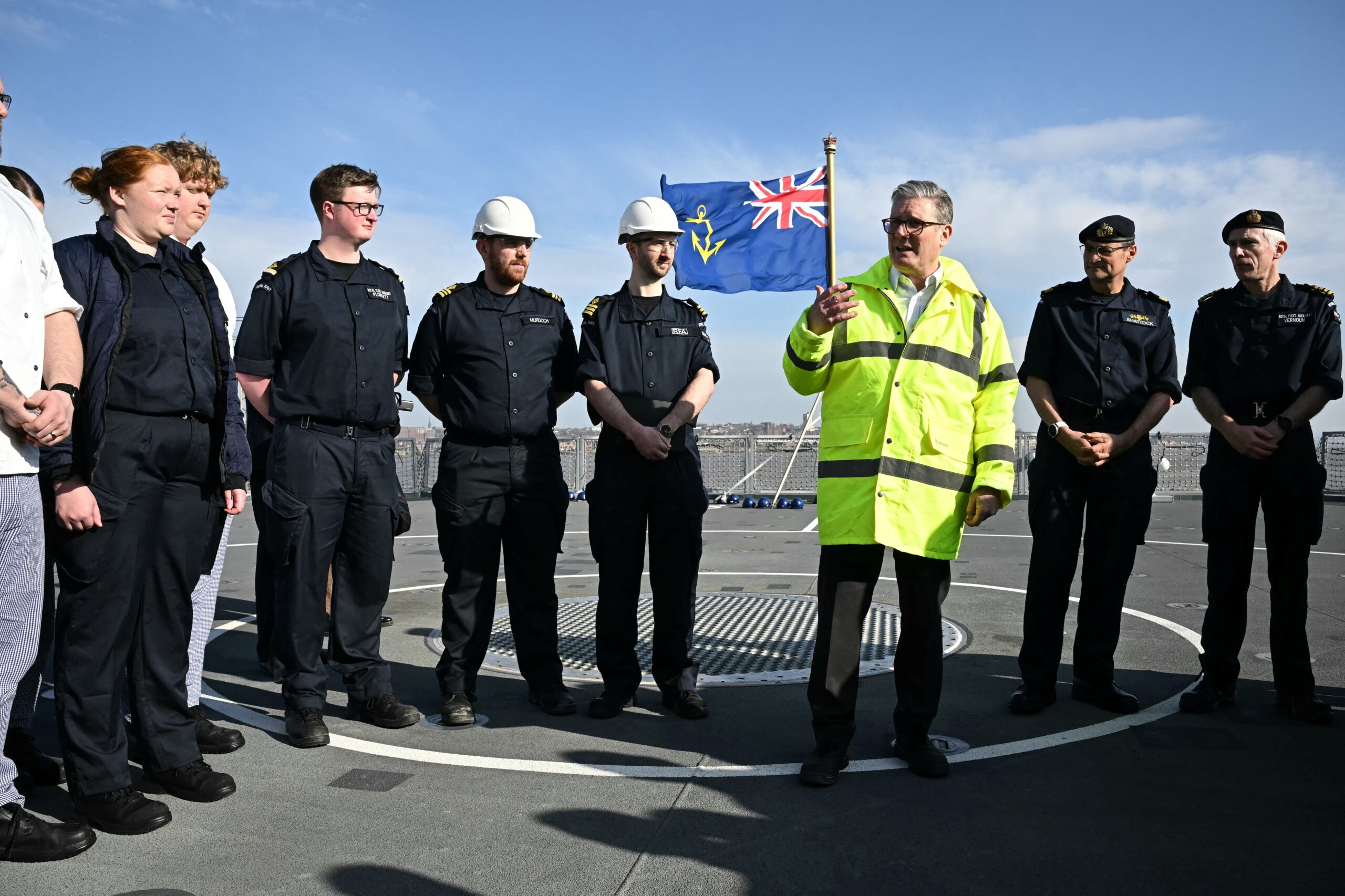
London, September 15, 2025 — Coastal communities across the United Kingdom are poised for an economic lifeline as the government and private sector announce a landmark joint investment exceeding £1.1 billion in the maritime industry, aiming to spur growth, create thousands of jobs, and accelerate the transition to sustainable shipping technologies.
The initiative, unveiled on the opening day of London International Shipping Week (LISW)—one of the world’s premier maritime events—combines £448 million in public funding with £700 million from industry partners, including major UK ports and leading firms. The funding will primarily bolster the government’s UK SHORE (Shipping Zero-emissions Research and Development) programme, which supports innovation in clean fuels and technologies such as electric propulsion, hydrogen, ammonia, methanol, and wind-assisted systems to slash carbon emissions from domestic shipping.
Transport Secretary Heidi Alexander hailed the commitment as a “supercharge” for coastal economies during a visit to the Cammell Laird dry dock in Birkenhead, Liverpool, where £3.6 million in prior SHORE funding has already leveraged matching private investment for a zero-emission electric shore power system. “Today’s £1.1 billion boost for the maritime industry will supercharge growth and jobs in our coastal towns and cities—making the UK one of the best places in the world to invest,” Alexander said in a statement.
The investment targets key sectors like engineering, green technology, and construction, with expectations of thousands of new skilled positions. For instance, the Port of Tyne’s £150 million development project is projected to generate up to 12,000 jobs in offshore wind and manufacturing. This builds on the SHORE programme’s track record, which has already backed over 200 projects with £240 million, driving real-world emission reductions and private sector buy-in.
The announcement aligns with broader UK ambitions to position itself as a “clean energy superpower” and achieve net-zero emissions by 2050, amid global pressures from climate regulations and supply chain disruptions. The maritime sector, responsible for about 3% of the UK’s greenhouse gas emissions, faces mounting demands for decarbonization, particularly as international trade volumes rebound post-pandemic.
Industry leaders echoed the optimism. Andy Burnham, Mayor of Greater Manchester and chair of the English Devolution Association, described the funding as “transformative” for regions like the North West, where shipbuilding and port operations have long been economic anchors. The package also includes a new UK Cruise Growth Plan, securing private commitments to sustain the sector’s £1.5 billion annual contribution to the economy while addressing environmental impacts.
LISW, running through September 19, draws global shipping executives to London for discussions on investment, innovation, and policy. The event underscores the UK’s strategic pivot toward green maritime leadership, even as challenges like geopolitical tensions in key trade routes persist.
This infusion comes at a pivotal moment for the UK economy, which has grappled with sluggish post-Brexit growth and inflation. Recent pledges from U.S. financial giants, including £1.1 billion from Citigroup, signal renewed foreign confidence, but domestic sectors like maritime remain crucial for regional equity.
As projects roll out, stakeholders anticipate ripple effects: from retrofitting vessels with low-carbon tech to expanding port infrastructure for alternative fuels. “This isn’t just about ships—it’s about securing futures for coastal families and leading the world in sustainable trade,” Alexander added.
The government plans to monitor progress through annual reports, ensuring alignment with net-zero targets and equitable job distribution across England, Scotland, Wales, and Northern Ireland.