






















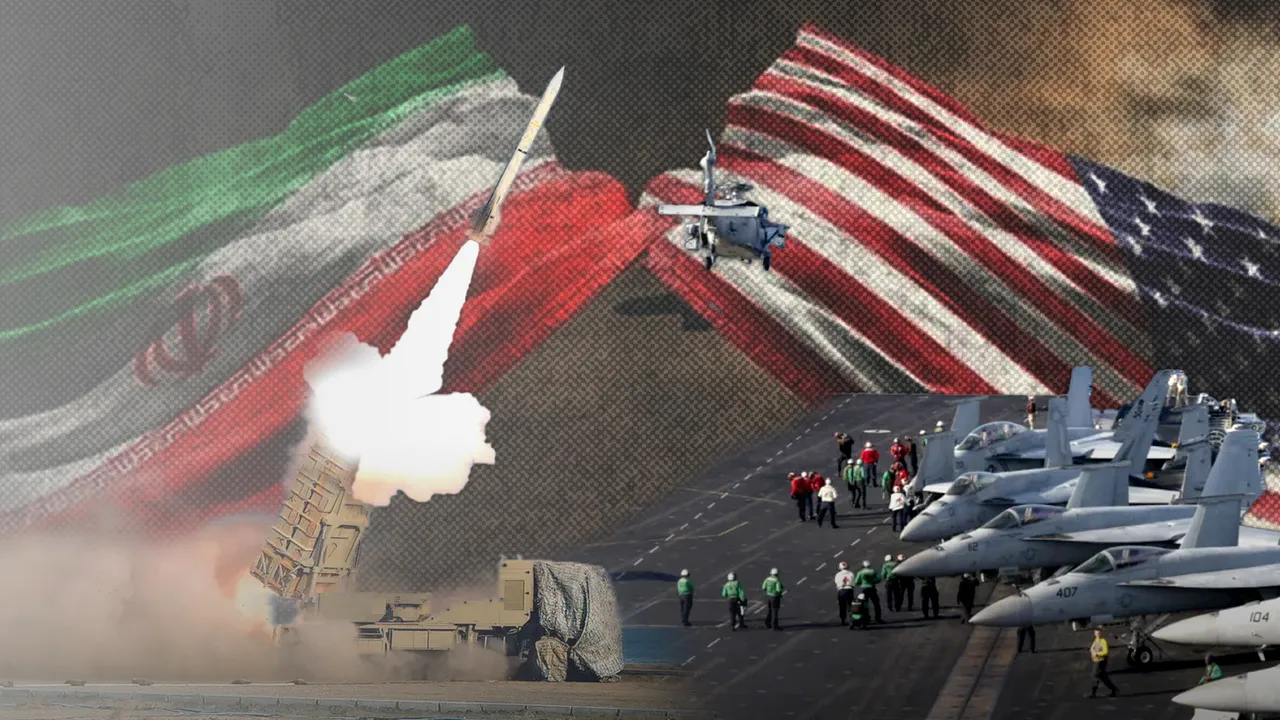
Global Tensions Escalate: Indian Journalist Samaran Calls U.S.–Israel War on Iran “Narcissistic Behaviour” by Trump
March 1, 2026 — New Delhi / Washington / Tehran
Amid one of the most dramatic escalations in Middle East hostilities in recent memory, Indian journalist and writer Samaran has sharply criticised the United States and Israel’s military campaign against Iran, describing it as “narcissistic behaviour” by former U.S. President Donald Trump and a departure from responsible global leadership.

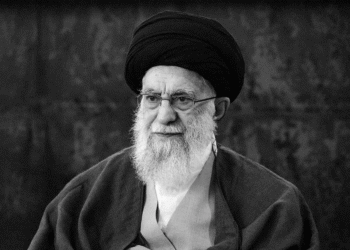
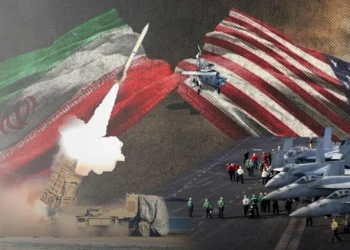
A joint U.S.–Israeli offensive that began late Saturday targeted multiple strategic and military sites across Iran, including reported hits on the compound of Iran’s Supreme Leader Ayatollah Ali Khamenei. The strikes, dubbed Operation Epic Fury by U.S. military officials, signalled a new intensity in the decades-long headline conflict between Tehran and Washington’s regional allies.
In his commentary, Samaran — known in India for his foreign policy analysis — argued that the United States’ involvement alongside Israel reflects not just geopolitical strategy but a self-centred foreign policy style. His critique focuses on what he describes as Trump’s personal worldview and leadership ethos, asserting that decisions appear driven more by ego and spectacle than clear strategic benefit. (Statement provided by user — source material not available in public news archives.)
Conflict’s Immediate Impact and Global Reaction
The attacks have triggered fierce retaliation from Iranian forces, with missile and drone launches striking U.S. bases across the Gulf and parts of Israel. Civilian populations have suffered casualties, and airspace closures have disrupted international travel.
Governments around the world are responding with alarm. India’s Ministry of External Affairs formally called for restraint and diplomatic engagement, emphasising respect for state sovereignty and the safety of civilians caught in the escalation.
Several European leaders, including French President Emmanuel Macron, have warned that such military action risks broader destabilisation and could derail efforts at peace and nuclear diplomacy.
Domestic Dissent and Political Debate
Within the United States, critics from both progressive and moderate camps have questioned the rationale for deepening military engagement with Iran. Some lawmakers and commentators argue that the case for immediate armed conflict was not clearly established and that diplomatic avenues had not been fully exhausted.
On the streets and in political circles in India, reactions vary sharply. Left-leaning parties have condemned the U.S.–Israel strikes as violations of international law, urging New Delhi to adopt a more vocal stance against what they describe as imperialist aggression. Meanwhile, others warn that India must carefully balance its longstanding ties with both Tehran and strategic partnerships with the United States and Israel.
Regional and Strategic Implications
Analysts caution that with Iran’s retaliatory strikes encompassing U.S. military facilities and Israeli territory, the risk of a full-scale regional war looms large. Energy markets have been unsettled, and global security institutions — including the United Nations — are appealing for immediate cessation of hostilities.
The conflict also reignites long-standing debates over the United States’ role as a global power and its reliance on military solutions versus diplomacy — a central point in Samaran’s critique.
As one senior Middle East expert put it, “Whether this leads to lasting change or deeper crisis will depend on whether world leaders prioritise dialogue over detonation.”