

















Tamil Nadu Politics Poised for Major Realignment Ahead of 2026 Assembly Elections
Chennai | Political Developments
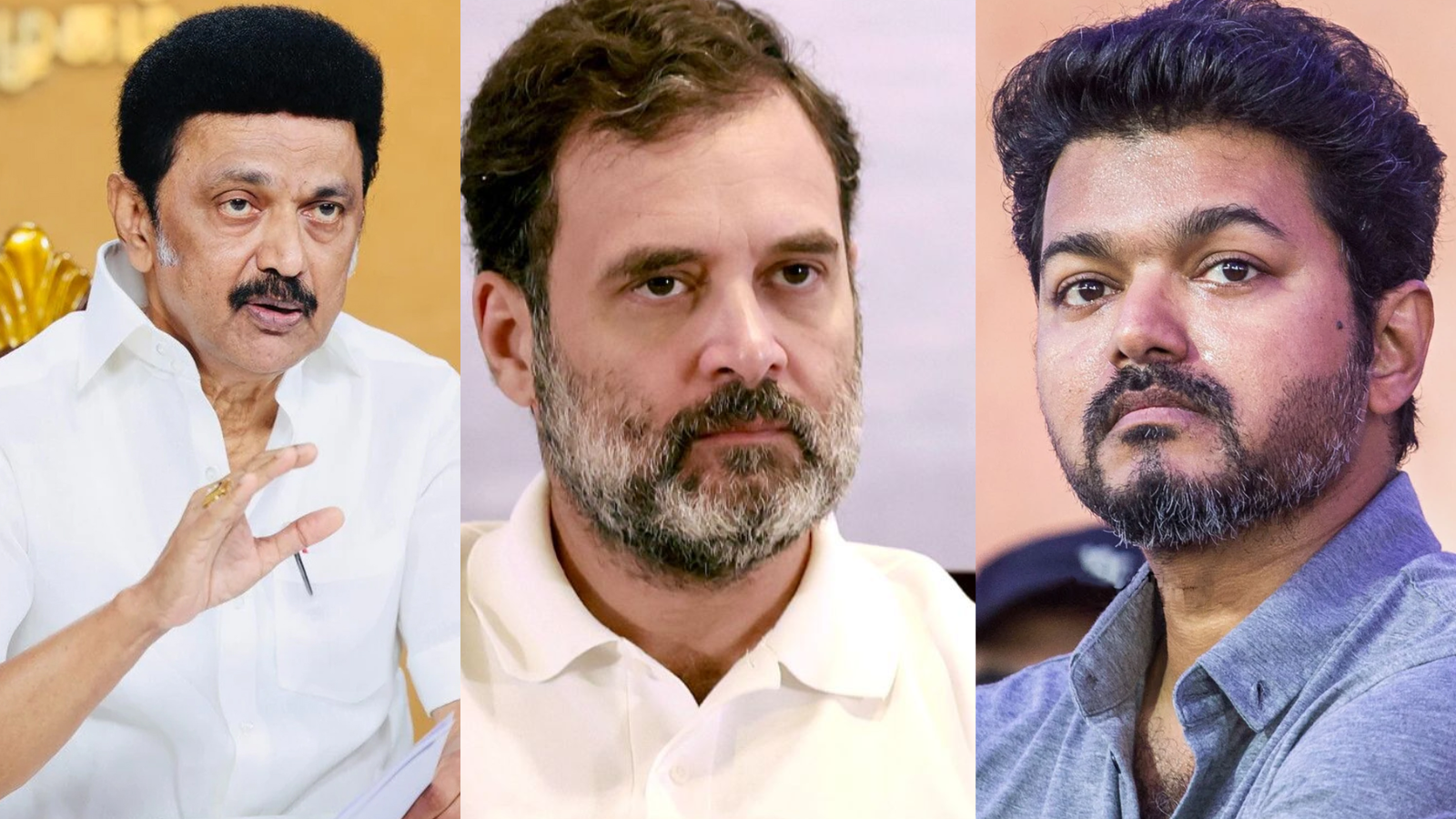
Tamil Nadu’s political landscape is witnessing a significant churn as established alliances show signs of fracture and new alignments begin to take shape ahead of the 2026 Assembly elections. Emerging political signals suggest a possible break between the and the ruling , alongside fresh coalition talks involving actor-turned-politician ’s political outfit, (TVK).
At the same time, the (DMDK) is reportedly exploring a renewed alliance with the DMK-led front, indicating a broader reshaping of opposition and ruling coalitions.
Congress–DMK Rift: Signs of a Strategic Separation
Sources within political circles indicate growing dissatisfaction within the Congress over seat-sharing arrangements, regional visibility, and long-term relevance within the DMK-led alliance. After years of playing a junior role in Tamil Nadu politics, the Congress is said to be reassessing its strategy to regain independent political space.
The potential exit of the Congress from the DMK alliance would mark a major shift, ending one of the longest-standing coalitions in the state’s recent political history.
Congress–TVK Engagement: A New Political Experiment
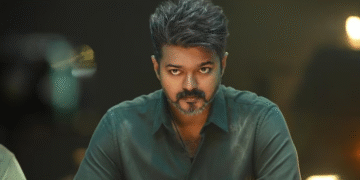
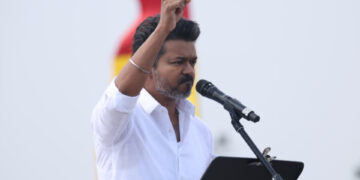
The Congress’ reported move to engage with TVK reflects an attempt to align with a rising political force that commands mass appeal, especially among youth and first-time voters. Vijay’s entry into formal politics has already altered political discourse in Tamil Nadu, moving debates beyond traditional Dravidian binaries.
Political analysts suggest that a Congress–TVK understanding could combine grassroots organisational experience with celebrity-driven mass mobilisation—an experiment that could redefine opposition politics in the state.
DMDK’s Return to the DMK Fold
Parallel developments indicate that DMDK, once a key player in Tamil Nadu’s alliance politics, is in talks to join hands with the DMK. Such a move could help the ruling front consolidate vote banks, particularly in northern and central Tamil Nadu, where the DMDK still retains residual influence.
For the DMK, this strategy appears aimed at offsetting potential losses arising from the Congress’ exit while strengthening its social coalition ahead of a high-stakes election.
Emergence of a New Political Axis
Taken together, these developments point toward the formation of a new political axis in Tamil Nadu—one that challenges traditional alliance structures and introduces a three- or four-cornered contest in 2026.
Observers note that the 2026 elections may no longer revolve solely around established Dravidian parties but could be shaped by emerging leadership, shifting voter aspirations, and issue-based politics such as governance, employment, and social justice.
What Lies Ahead
While no official announcements have been made, the evolving political signals suggest that Tamil Nadu is entering a phase of political transition. Alliance realignments, leadership recalibration, and the rise of new political forces may collectively redefine the state’s electoral narrative.
As 2026 approaches, Tamil Nadu’s voters may witness one of the most dynamic and unpredictable elections in the state’s modern political history.