





















T.M. Krishna Explores India’s National Symbols in New Book ‘We, the People of India’
New Delhi:
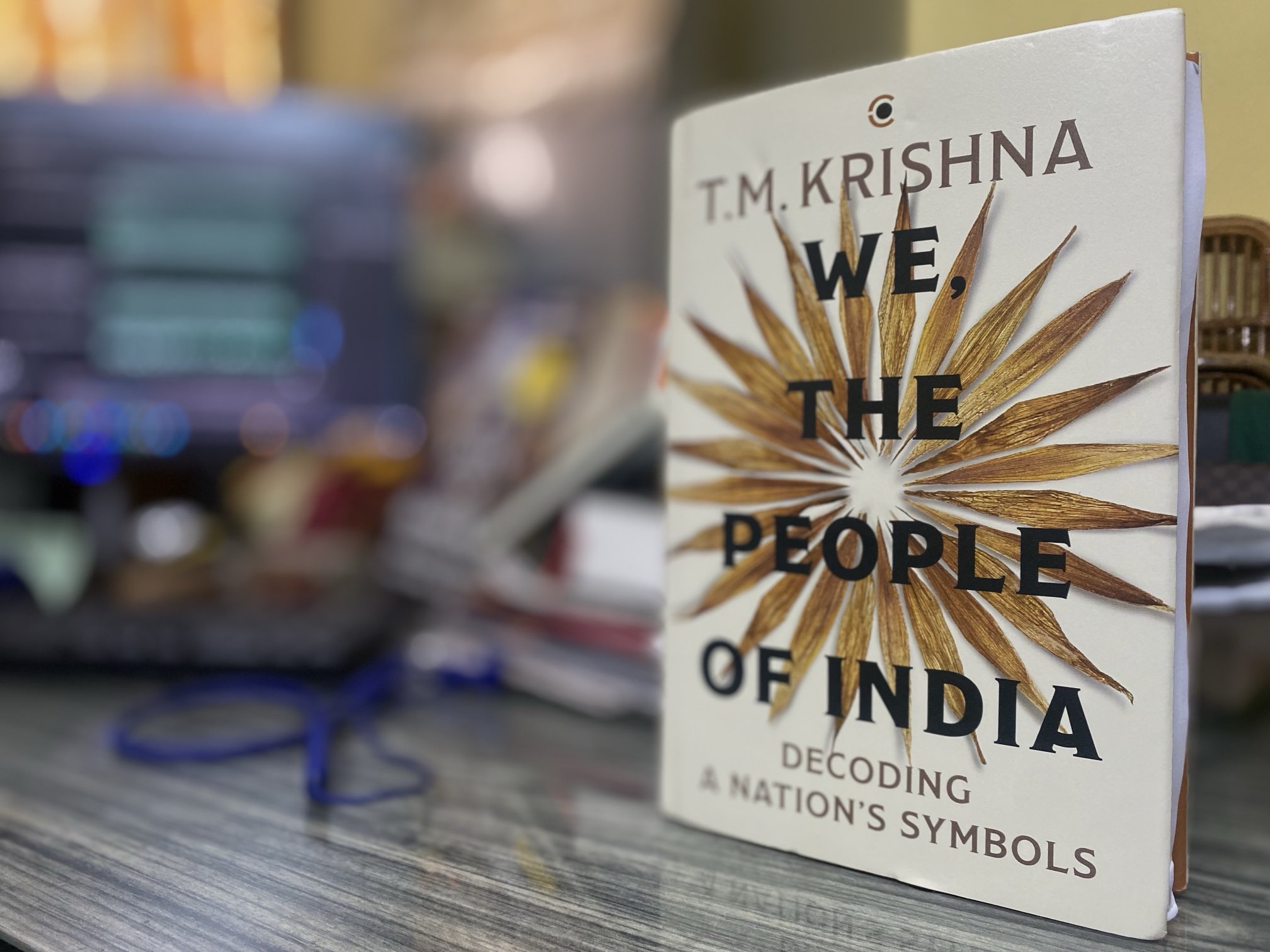
Renowned Carnatic vocalist and public intellectual T.M. Krishna has released a new non-fiction work, We, the People of India: Decoding a Nation’s Symbols, a book that examines the meaning, history, and contemporary relevance of India’s national symbols against the backdrop of the country’s democratic journey.
In the book, Krishna turns his attention to symbols such as the Preamble of the Constitution, the National Flag, the National Anthem, the State Emblem, and the national motto, arguing that these are not static icons but living ideas shaped by debate, dissent, and historical circumstance. He contends that understanding how these symbols were conceived — and how they are interpreted today — is crucial to understanding India’s evolving idea of nationhood.
Krishna places strong emphasis on the Constitution as a cultural document, not merely a legal one. He suggests that while India adopted a progressive and inclusive constitutional framework at Independence, the country has struggled to nurture a sustained constitutional culture among its citizens. This gap, he argues, has allowed symbols to be reduced to instruments of conformity rather than platforms for dialogue.
A recurring theme in the book is pluralism. Krishna highlights how competing visions of India coexisted during the freedom movement and the framing of the Constitution, and how those differences continue to surface in present-day political and cultural debates. By tracing the contested histories of national symbols, he challenges the notion of a single, monolithic nationalism.
Written in an accessible yet reflective style, We, the People of India blends historical research, cultural criticism, and personal insight, drawing on Krishna’s long-standing engagement with questions of caste, art, freedom of expression, and democracy. Rather than offering prescriptive answers, the book invites readers to interrogate their own relationship with national symbols and the values they are meant to represent.
The book arrives at a time when debates over nationalism, citizenship, and constitutional values are increasingly prominent in public discourse. Early readers and commentators have described it as a timely intervention that encourages critical engagement rather than ritualistic reverence.
With We, the People of India, T.M. Krishna adds to his growing body of work that situates culture at the heart of democratic life, urging citizens to see the nation not as a fixed idea, but as an ongoing collective conversation.