



















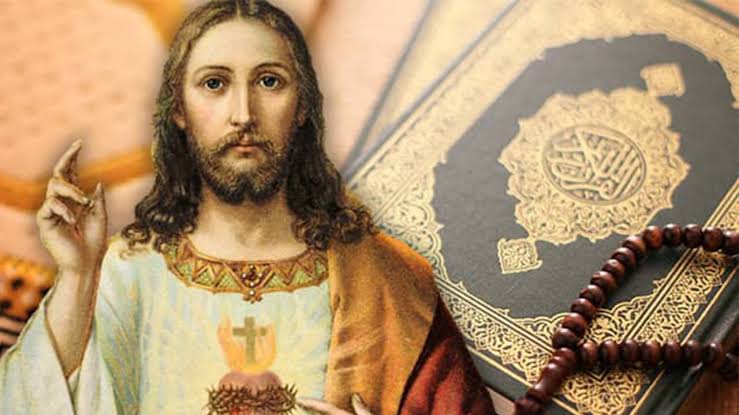
Jesus Christ and Islam: A Historical & Spiritual Convergence
Introduction
Across centuries, religions have often been portrayed as conflicting belief systems. Yet, a closer historical and spiritual examination reveals profound intersections between Islam and the teachings and life of . Far from being oppositional, Islam holds Jesus in exceptional reverence, acknowledging him as one of the greatest messengers of God. This article explores the shared theological, ethical, and spiritual foundations between Islam and Jesus Christ, highlighting unity over division.
Jesus Christ in Islamic Theology
In Islam, Jesus is known as Isa ibn Maryam (Jesus, son of Mary). He is mentioned more than 25 times in the , often with honorific titles.
Key Islamic Beliefs About Jesus
- Jesus is a Messenger of God (Rasul Allah)
- Born miraculously to Virgin Mary (Maryam)
- Performed miracles by God’s permission
- A sign of God’s mercy and power
- Will return before the Day of Judgment
Islam rejects the divinity of Jesus but elevates his spiritual rank, emphasizing strict monotheism (Tawhid).
Shared Monotheistic Foundation
Both Islam and Jesus’ original teachings are rooted in absolute monotheism.
- Jesus affirmed: “The Lord our God is One” (as recorded in the )
- Islam declares: “There is no god but God (Allah)”
This shared insistence on the Oneness of God forms the theological backbone of both traditions.
Ethical Teachings: A Common Moral Vision
The moral teachings of Jesus and Islam are strikingly aligned.
Core Shared Values
- Compassion for the poor and marginalized
- Forgiveness and mercy
- Humility and simplicity
- Justice and truthfulness
- Love for fellow human beings
Jesus’ Sermon on the Mount and the Qur’anic moral code echo the same ethical spirit—transforming society through inner righteousness.
Miracles and Divine Signs
Both traditions acknowledge Jesus as a miracle-working prophet:
| Miracle | Christianity | Islam |
|---|---|---|
| Virgin Birth | ✔️ | ✔️ |
| Healing the sick | ✔️ | ✔️ |
| Raising the dead | ✔️ | ✔️ |
| Speaking as an infant | ❌ | ✔️ |
Islam emphasizes that miracles occur by God’s will, reinforcing divine sovereignty.
Jesus and Prophet Muhammad: Spiritual Continuity
Islam presents a continuous prophetic lineage, culminating in .
- Jesus foretold the coming of a future messenger
- Muhammad affirmed Jesus’ purity, mission, and return
- Both called humanity back to God, moral discipline, and justice
Rather than replacement, Islam views Muhammad as a completion of the same divine message Jesus preached.
Crucifixion and Salvation: Divergent Views, Shared Purpose
While Christianity centers salvation on crucifixion, Islam offers a different historical understanding:
- Islam teaches Jesus was not crucified, but raised by God
- Salvation in Islam comes through faith, repentance, and righteous action
Despite doctrinal differences, both traditions aim at human redemption and spiritual elevation.
The Second Coming of Jesus
One of the most remarkable similarities is the belief in Jesus’ return:
- Christianity: Jesus returns as Judge and Savior
- Islam: Jesus returns to restore justice, defeat evil, and affirm monotheism
This shared eschatological hope highlights Jesus’ enduring spiritual authority across faiths.
Historical Misunderstandings and Political Divides
Many conflicts between Christians and Muslims stem not from theology but from:
- Colonial history
- Political manipulation of religion
- Cultural misinterpretations
Historically, Islamic civilizations protected Christian communities, and Jesus was revered in Islamic scholarship and poetry.
Spiritual Insight: One Message, Many Paths
At their core, both Islam and Jesus Christ emphasize:
- Submission to God
- Inner purification
- Moral living
- Universal compassion
The spiritual essence transcends labels, pointing toward one Divine Truth expressed through multiple revelations.
Conclusion
Jesus Christ and Islam are not theological adversaries but spiritually interconnected traditions. Islam’s reverence for Jesus challenges modern misconceptions and invites a deeper interfaith understanding. When history and spirituality are examined sincerely, Jesus emerges not as a dividing figure but as a bridge between faiths, reminding humanity of its shared divine origin and moral destiny.