

















Study Reveals Sex Bias in Neanderthal–Human Interbreeding
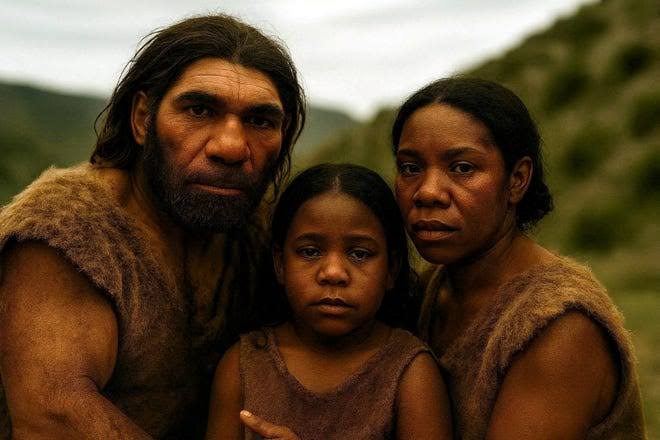
A new genetic study has revealed that interbreeding between Neanderthals and early modern humans was not random but showed a clear sex-based bias, offering fresh insight into prehistoric human social dynamics and migration patterns.
Key Findings
According to the research, gene flow between Neanderthals and Homo sapiens occurred predominantly through Neanderthal males mating with modern human females, rather than the reverse. This conclusion is drawn from the uneven distribution of Neanderthal DNA in present-day human genomes.
Scientists observed that:
- Neanderthal DNA is significantly underrepresented on the X chromosome, which is inherited differently by males and females.
- There is an almost complete absence of Neanderthal mitochondrial DNA in modern humans. Since mitochondrial DNA is passed down exclusively through the mother, this suggests Neanderthal females rarely contributed genetically to later human populations.
What the Sex Bias Indicates
Researchers believe this pattern may reflect:
- Social or cultural hierarchies between the two groups
- Differences in population size and mobility
- Possible reduced fertility or survival rates in offspring born to Neanderthal females and human males
The findings challenge earlier assumptions that interbreeding was evenly distributed and instead point toward complex power relations and mating preferences during encounters between the two species.
Broader Evolutionary Impact
Today, people of non-African ancestry carry about 1–2% Neanderthal DNA, influencing traits related to immunity, skin, and metabolism. Understanding how this DNA entered the human gene pool helps scientists better reconstruct early human behavior and evolutionary pressures.
Scientific Significance
Experts say the study strengthens the idea that genetic evidence can reveal not only biological but also social aspects of ancient human interactions. It also opens new avenues for studying how gender dynamics shaped human evolution.
Conclusion
The discovery of sex bias in Neanderthal–human interbreeding underscores that early human history was shaped by selective, unequal interactions rather than random mixing—adding a new layer of depth to our understanding of where we come from.