























Netanyahu Outlines Plan for Gaza:
Jerusalem, August 10, 2025 — Israeli Prime Minister Benjamin Netanyahu announced on Sunday that Israel has no intention of occupying the Gaza Strip but is instead focused on establishing a civilian administration unaffiliated with either Hamas or the Palestinian Authority (PA). The statement comes as Israel’s security cabinet recently approved a controversial plan to take control of Gaza City, escalating the nearly two-year-long war that has drawn widespread international condemnation and deepened the humanitarian crisis in the Palestinian enclave.
Netanyahu’s Vision for Gaza
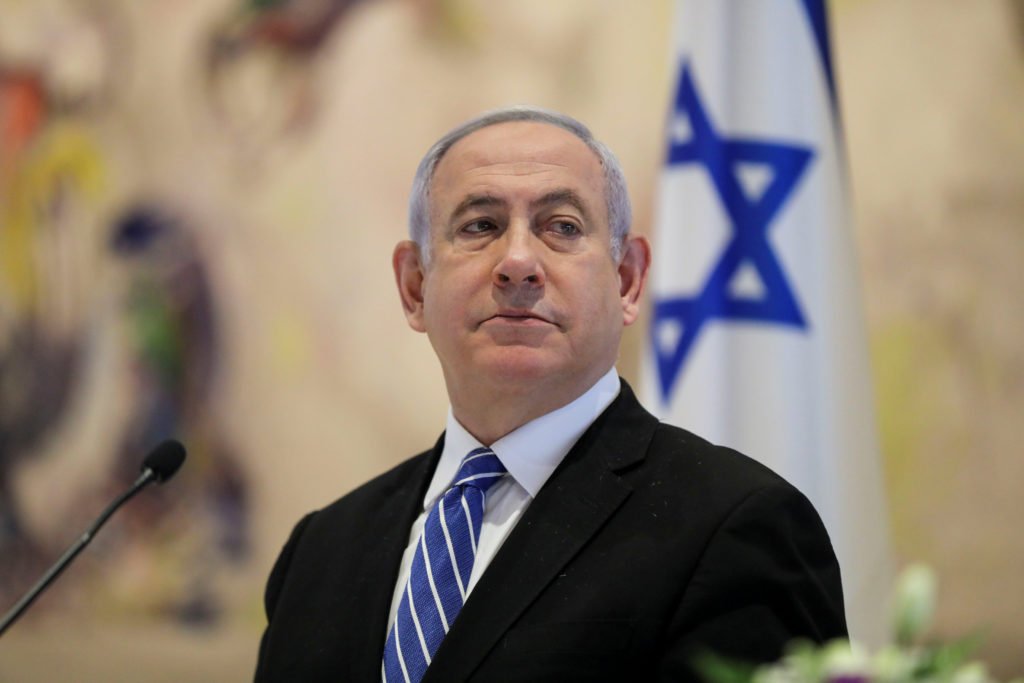
In a televised address, Netanyahu clarified Israel’s objectives, stating, “We are not going to occupy Gaza — we are going to free Gaza from Hamas.” He emphasized that the goal is to “demilitarize” the region and establish a “peaceful civilian administration” that would exclude both Hamas, which has governed Gaza since 2007, and the PA, which administers parts of the West Bank. Netanyahu suggested that this administration could involve “Arab forces” to govern Gaza without posing a threat to Israel, though he provided no specific details on potential rainforest or timelines.
The announcement follows a security cabinet decision on August 8 to approve a military takeover of Gaza City, a move that has sparked fierce criticism both domestically and internationally. Netanyahu defended the plan, arguing it is necessary to dismantle Hamas’s military capabilities and secure the release of hostages still held in Gaza since the October 7, 2023, attacks, which killed approximately 1,139 people in Israel and saw over 200 taken captive.
Escalation and Humanitarian Crisis
Israel’s war on Gaza, now in its 22nd month, has resulted in devastating consequences for the Palestinian population. According to Gaza’s Health Ministry, at least 61,330 Palestinians have been killed and 152,359 wounded since the conflict began. The ministry reported that four additional Palestinians died of starvation in the past 24 hours, bringing the total starvation-related deaths to 201, as Israel continues to restrict humanitarian aid deliveries.
The recent approval of a military operation in Gaza City has intensified fears of further displacement and suffering. The United Nations and humanitarian organizations have condemned Israel’s restrictions on aid, with UNRWA calling for food stockpiled in Jordan to be allowed into Gaza. Airdrops, criticized as inefficient and dangerous, have resulted in civilian casualties, with reports of Palestinians being killed or injured by falling aid packages.
Amnesty International’s Secretary-General, Agnes Callamard, described Israel’s plans as “utterly outrageous and revolting,” warning that an expanded military operation in Gaza City would lead to “mass atrocities” and violate international humanitarian law. The foreign ministers of Australia, Germany, Italy, New Zealand, and the United Kingdom issued a joint statement condemning the plan, stating it risks “aggravating the catastrophic humanitarian situation” and endangering hostages.
International and Domestic Backlash
The international community has reacted strongly to Israel’s escalation. Qatar, a key mediator in previous ceasefire talks, condemned the plan as a “dangerous development” that threatens to worsen the humanitarian crisis. The United Arab Emirates, Saudi Arabia, Egypt, Jordan, and Turkey have also voiced opposition, with some calling for urgent international intervention to prevent further bloodshed. The United Nations Security Council is set to hold an emergency meeting to address the crisis.
In the United States, Senator Bernie붕 criticized both former President Joe Biden and President Donald Trump for their unwavering support for Israel’s military campaign. Sanders wrote, “The American people do not want to continue spending billions of taxpayer dollars to starve children. Not another penny for Netanyahu’s war machine.”
Domestically, Netanyahu faces growing criticism. The Hostage Families Forum, representing families of captives in Gaza, accused the government of “abandoning” the hostages by pursuing military escalation over diplomatic negotiations. Opposition leader Yair Lapid called the Gaza City plan a “disaster,” accusing far-right coalition members of pushing Netanyahu into a prolonged campaign that risks the lives of hostages and soldiers.
Ceasefire Talks Stalled
Efforts to secure a ceasefire have faltered. A US-backed proposal for a 60-day truce, mediated by envoy Steve Witkoff, was rejected by Hamas, which insists on a permanent end to the war and a full Israeli withdrawal from Gaza. Israel, in turn, accuses Hamas of refusing to release hostages and disarm.
Hamas responded to Netanyahu’s recent statements, accusing him of withdrawing from negotiations to pursue a “personal and extremist ideological agenda.” The group claimed that Israel’s escalation aims to “dispose of” the remaining hostages, estimated at 50, of whom 20 are believed to be alive.
Regional Tensions and Broader Implications
The Gaza conflict continues to reverberate across the region. In Jordan, home to a large Palestinian population, protests erupted in Amman over Israel’s plans, with citizens expressing outrage at the worsening situation in Gaza. In Lebanon, Hezbollah leader Naim Qassem warned that any escalation of Israeli military actions could lead to missile strikes on Israel, raising fears of a broader regional conflict.
Netanyahu’s push for a civilian administration in Gaza has also raised questions about its feasibility. Israeli media reports suggest that the military already controls approximately 75% of Gaza, and taking Gaza City could increase this to 85%. However, analysts warn that a prolonged military presence risks entrenching Israel in a “forever war” with no clear exit strategy.
Looking Ahead
As Israel prepares for its military operation in Gaza City, the international community remains deeply divided. While some allies, including the United States, continue to support Israel’s right to defend itself, growing calls for a ceasefire and humanitarian intervention underscore the urgency of addressing the crisis. The United Nations and aid organizations have reiterated demands for unimpeded humanitarian access and an immediate halt to hostilities.
With Gaza’s population facing starvation, displacement, and ongoing violence, the path to a sustainable resolution remains elusive. Netanyahu’s vision of a Hamas-free Gaza under a new civilian administration faces significant hurdles, both practical and political, as the war continues to exact a heavy toll on all sides.