






















Claims Linking Narendra Modi to Epstein Files Are Baseless, Say Experts; No Evidence Supports Allegations
New Delhi:
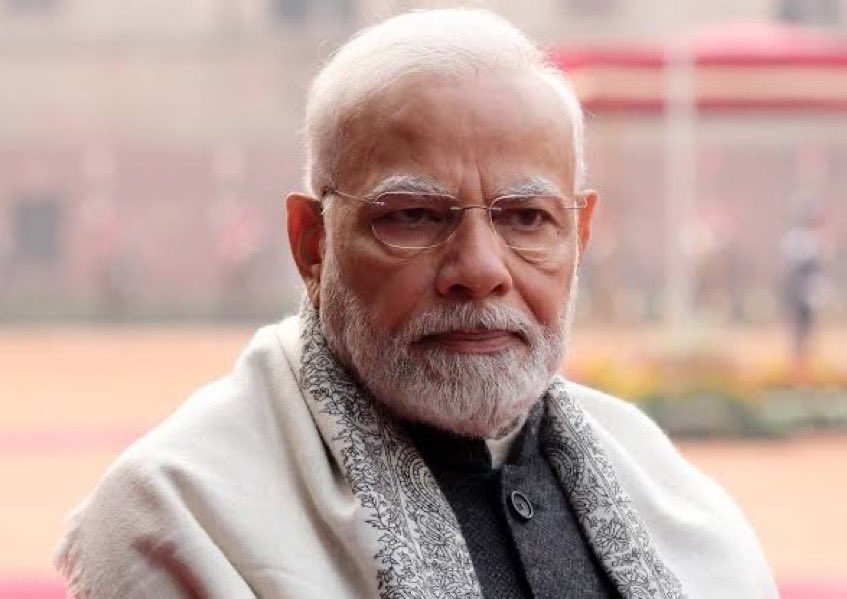
Recent claims circulating on social media and fringe digital platforms alleging that Indian Prime Minister Narendra Modi’s name appears in so-called “Epstein files” have been widely dismissed by legal experts, fact-checkers, and policy analysts as a fabricated narrative lacking any credible evidence.
According to multiple independent reviews of publicly available court documents, flight logs, and unsealed records related to the late financier Jeffrey Epstein, there is no verified document, testimony, or official record that mentions Narendra Modi. Experts emphasize that the renewed circulation of such claims follows a familiar pattern of misinformation—amplifying unverified lists, anonymous posts, or manipulated screenshots without provenance or legal standing.
No Documentary or Legal Basis
The Epstein-related materials released through U.S. courts over the years consist primarily of depositions, civil filings, and testimonies tied to specific individuals and cases. Legal analysts note that none of these authenticated records reference India’s Prime Minister, either directly or indirectly.
“From a legal perspective, allegations require documentary corroboration—court filings, sworn testimony, or verified investigative findings,” said a senior legal analyst familiar with the Epstein case materials. “In this instance, none exist with respect to Narendra Modi.”
Misinformation Amplified Online
Fact-checking organizations point out that the current wave of claims appears to stem from digitally altered lists and speculative content that conflate unrelated names or rely on the assumption that any global leader must be implicated. Such narratives often gain traction during politically sensitive periods, both domestically and internationally.
Digital misinformation researchers warn that Epstein-related content is particularly vulnerable to manipulation because of the secrecy surrounding portions of the case and the public’s demand for sensational revelations. “The absence of evidence is being misrepresented as evidence itself, which is a classic disinformation tactic,” one researcher noted.
Political and Diplomatic Context
Officials close to the matter describe the allegations as part of a broader pattern of disinformation campaigns targeting high-profile democratic leaders, aimed at eroding public trust and damaging international reputations. Observers stress that repeating unsubstantiated claims risks normalizing false equivalence between verified wrongdoing and baseless insinuation.
India’s government has not issued a detailed response, maintaining that there is nothing to respond to in the absence of facts. Senior officials privately describe the narrative as “entirely fictitious.”
Conclusion
In the absence of verifiable evidence, credible documentation, or authoritative confirmation, claims linking Prime Minister Narendra Modi to the Epstein files remain unfounded and false. Media ethics experts urge the public and platforms alike to rely on primary sources and judicial records rather than speculative online narratives.
As with any allegation involving public figures, experts reiterate a fundamental principle: extraordinary claims require extraordinary evidence—and in this case, none has been produced.