




















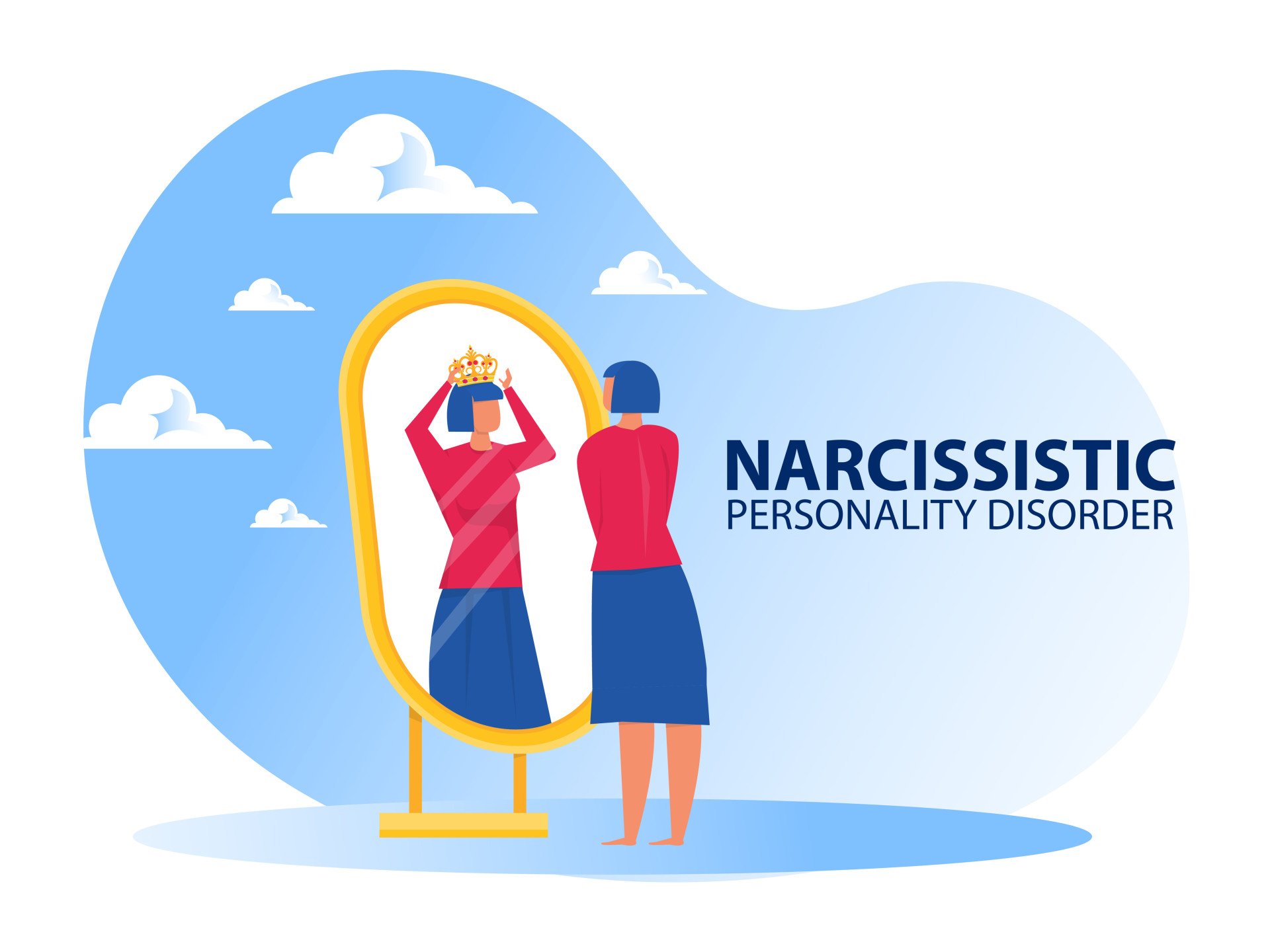
ATHENS, Greece — The ancient Greek tale of Narcissus, a youth so enamored with his own reflection that he withered away gazing at it, has transcended myth to become a lens for understanding a pervasive and destructive force in modern society: narcissism. What began as a cautionary fable has evolved into a recognized psychological disorder and a troubling undercurrent in global politics, with implications that resonate from personal relationships to the corridors of power.
A Disorder Beyond Vanity
Narcissistic Personality Disorder (NPD), as defined in modern psychiatry, is far more than mere self-absorption. According to the Diagnostic and Statistical Manual of Mental Disorders (DSM-5), NPD is characterized by an inflated sense of self-importance, a relentless craving for admiration, and a striking lack of empathy. “Narcissism is not a fleeting mood—it’s a persistent pattern that erodes relationships, careers, and even societies,” says Dr. Elena Papadopoulos, a clinical psychologist based in Athens.
The roots of narcissism often trace back to childhood. Studies suggest that over-praise, neglect, or inconsistent parenting can foster fragile self-esteem, masked by grandiosity or arrogance. “The narcissist’s confidence is often a façade hiding deep insecurity,” Dr. Papadopoulos explains. This inner emptiness, cloaked in bravado, drives behaviors that can destabilize both personal lives and public institutions.
From Myth to Medical Diagnosis
The concept of narcissism entered modern discourse through the work of psychologists in the late 19th and early 20th centuries. In 1898, British sexologist Havelock Ellis described “narcissus-like” behavior, laying the groundwork for Sigmund Freud’s 1914 essay *On Narcissism*. Freud viewed narcissism as a normal developmental stage but warned of its dangers when it persists into adulthood. By 1980, NPD was formally recognized in the DSM-III, cementing its place in psychiatric classification.
Later theorists, such as Otto Kernberg and Heinz Kohut, linked narcissism to childhood wounds—neglect, excessive praise, or trauma—that create a lifelong need for validation. “The narcissist is often compensating for a void they cannot acknowledge,” says Dr. Papadopoulos.
Narcissism in Power: A Historical Warning
History offers a stark example of narcissism’s destructive potential in Adolf Hitler. The Nazi leader’s messianic self-image, demand for unwavering loyalty, and utter disregard for millions of victims epitomized narcissistic traits on a catastrophic scale. “Hitler weaponized his narcissism, using propaganda and mass rallies to project an infallible persona,” says historian Dr. Markus Klein of Berlin’s Humboldt University. “His lack of empathy and obsession with control fueled one of the darkest chapters in human history.”
Echoes in Modern Politics
Today, narcissistic traits are increasingly visible in global politics, experts warn. Certain leaders exhibit hallmark behaviors: presenting themselves as their nation’s sole savior, exploiting fears of immigration or economic decline, attacking critics as “traitors,” and cultivating cult-like followings through social media and public spectacles. “When narcissism merges with authoritarianism, the consequences are not just personal—they’re national,” says Dr. Klein.
While few leaders reach Hitler’s extremes, the pattern is unmistakable. From divisive rhetoric to the erosion of democratic norms, narcissistic leadership poses a growing threat to global stability, analysts say. “These leaders thrive on division and adulation, often at the expense of truth and unity,” notes political scientist Dr. Aisha Rahman of the London School of Economics.
A Mirror for Society
Beyond individual leaders, narcissism may reflect broader societal trends. In an era of selfies, influencers, and digital validation, cultures increasingly reward self-promotion over humility. “The myth of Narcissus is no longer about one man staring into a pool,” says Dr. Papadopoulos. “It’s about entire societies fixated on their own image, prioritizing likes and followers over substance.”
Social media platforms amplify this trend, creating echo chambers where self-aggrandizement thrives. “We’re all at risk of becoming Narcissus, captivated by our own reflections,” warns Dr. Rahman. This cultural shift raises questions about whether narcissism is merely a personal disorder or a symptom of a society that glorifies the self.
A Timeless Warning
From the still waters of a Greek myth to the halls of modern power, narcissism remains a potent force. It is both a clinical diagnosis and a social phenomenon, a reminder of the dangers of prioritizing the mirror over reality. As the world grapples with rising authoritarianism and cultural self-obsession, the story of Narcissus serves as a timeless caution: when we cannot look away from our own reflection, destruction is never far behind.