

















Mojtaba Khamenei Emerges as a Central Power Broker in Iran’s Political Future
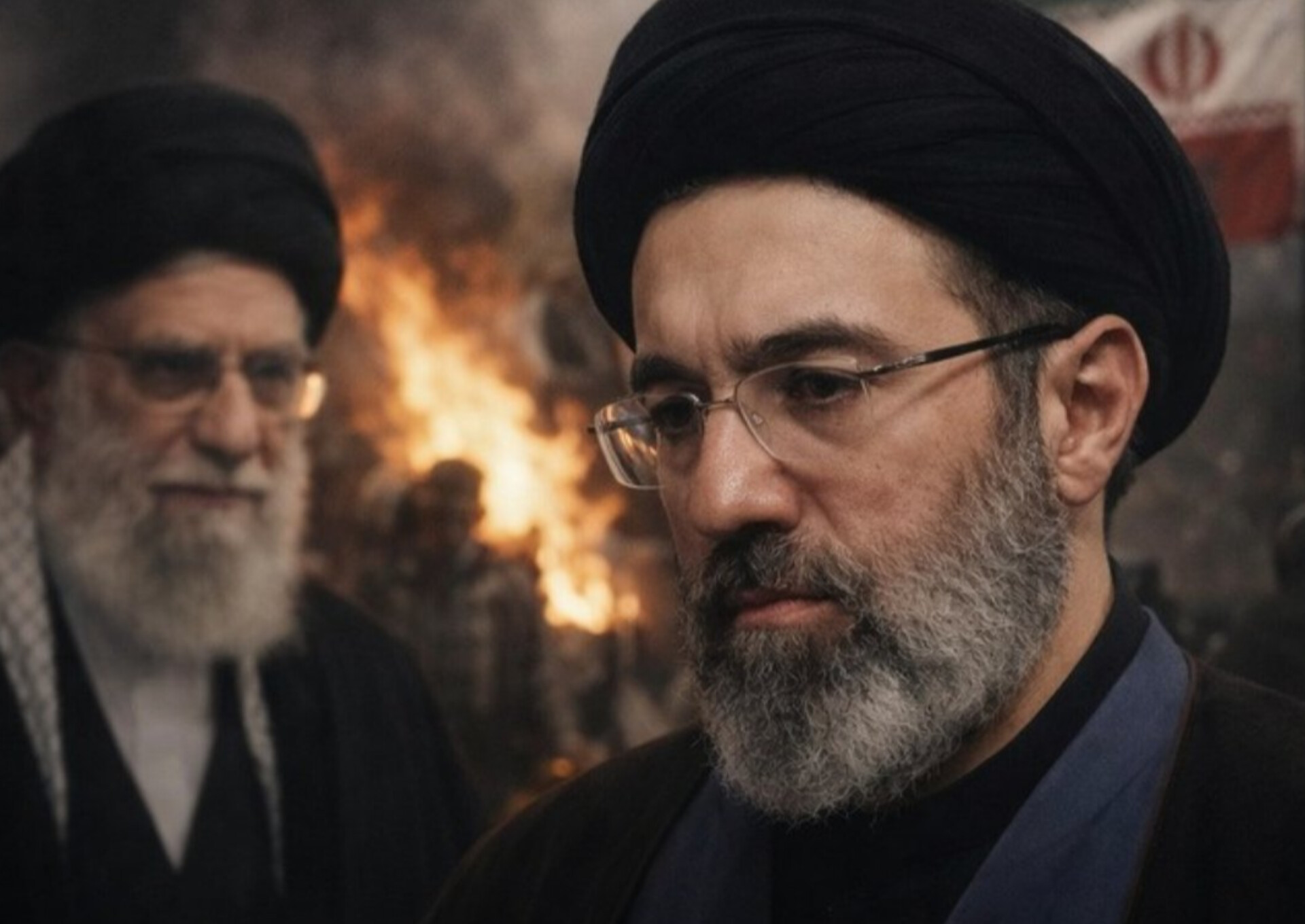
Tehran — , the second son of Iran’s Supreme Leader , is increasingly viewed by analysts as one of the most influential behind-the-scenes figures shaping Iran’s political trajectory, even as he holds no formal elected office.
A mid-ranking Shiite cleric educated during the years following the 1979 Islamic Revolution, Mojtaba Khamenei is reported to have served during the before joining his father’s powerful office. Over the past two decades, he has quietly consolidated influence within Iran’s political and security establishment.
Power Without Position
Despite lacking an official government role, Mojtaba is widely regarded as a key gatekeeper within the Supreme Leader’s inner circle. He is known for his close ties to the (IRGC), the elite military organization that plays a dominant role in Iran’s domestic security, regional strategy, and economic interests.
Political observers describe Mojtaba as a hardliner who favors strict ideological control and resistance to Western influence. His influence is believed to extend into judicial appointments, media oversight, and security decisions, although such power operates largely outside public scrutiny.
Controversial Role in 2009 Election
Mojtaba Khamenei has long been linked to Iran’s most contentious political moment in recent history — the disputed 2009 presidential election that returned to power. Reformist leaders and opposition figures accused elements within the Supreme Leader’s office of manipulating the vote, allegations the Iranian government has consistently denied.
He has also been associated with the state’s harsh response to the protests, which erupted after millions of Iranians took to the streets alleging electoral fraud. The crackdown resulted in mass arrests, deaths, and a severe curtailment of civil liberties.
U.S. Sanctions and International Scrutiny
In 2019, the imposed sanctions on Mojtaba Khamenei, accusing him of acting on behalf of the Supreme Leader’s office and benefiting from corruption linked to state power. The move underscored Washington’s assessment of his behind-the-scenes authority within Iran’s ruling system.
Iran dismissed the sanctions as politically motivated, reiterating that Mojtaba holds no official post.
Succession Speculation Grows
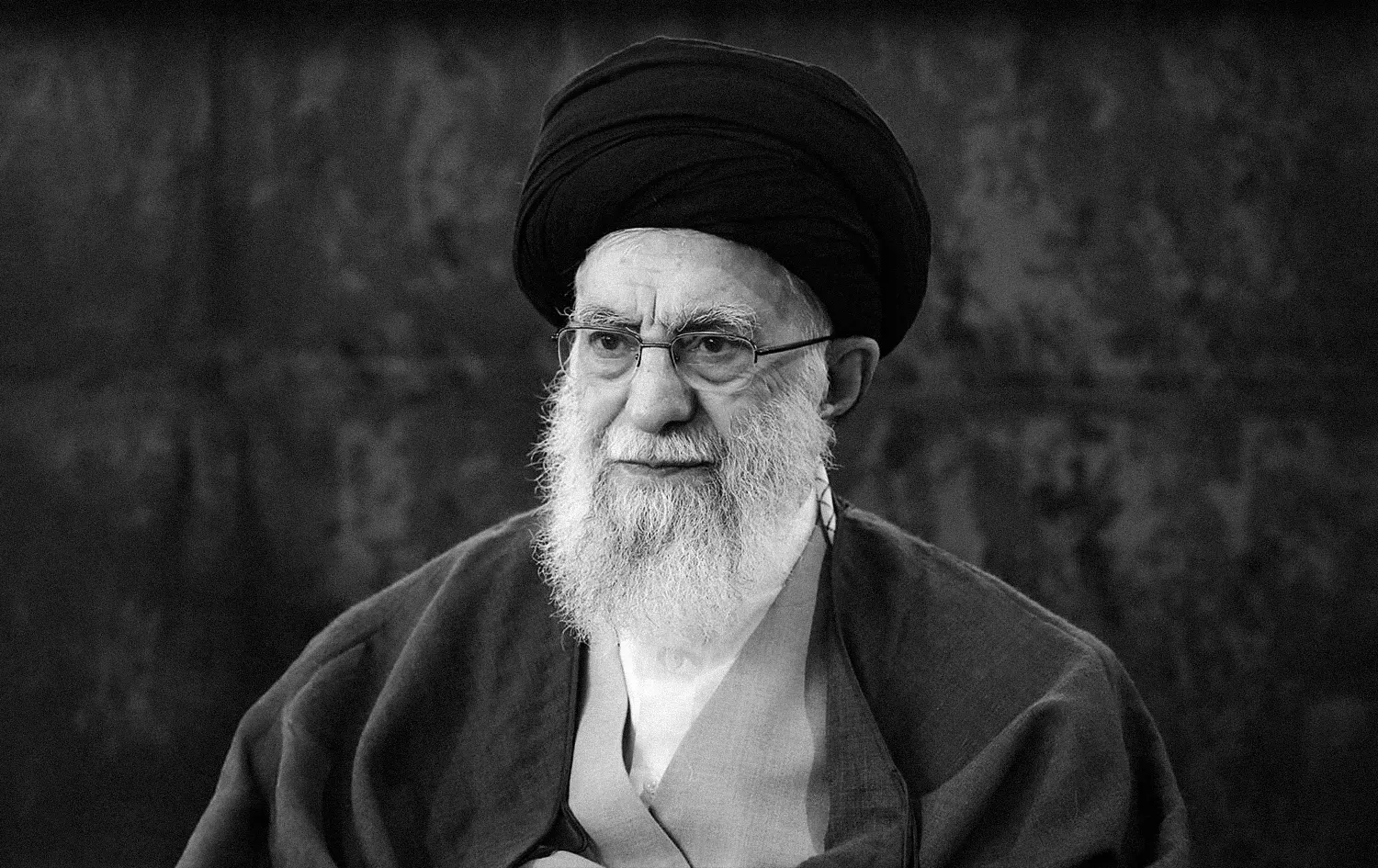
As Ayatollah Ali Khamenei, now in his mid-80s, faces ongoing health speculation, questions surrounding succession have intensified. Under Iran’s constitution, the next Supreme Leader is selected by the , whose members are vetted by the powerful .
While Iran officially rejects hereditary succession, some analysts argue Mojtaba’s deep institutional ties could position him as a serious contender, potentially reshaping the Islamic Republic’s leadership model.
A Name Central to Iran’s Power Equation
With mounting domestic unrest, regional tensions, and ongoing confrontation with the West, Mojtaba Khamenei’s growing prominence reflects a broader shift toward securitized governance in Iran. Whether he ultimately assumes formal leadership or continues to wield influence from the shadows, his role is increasingly central to debates over Iran’s political future.