























Highlights
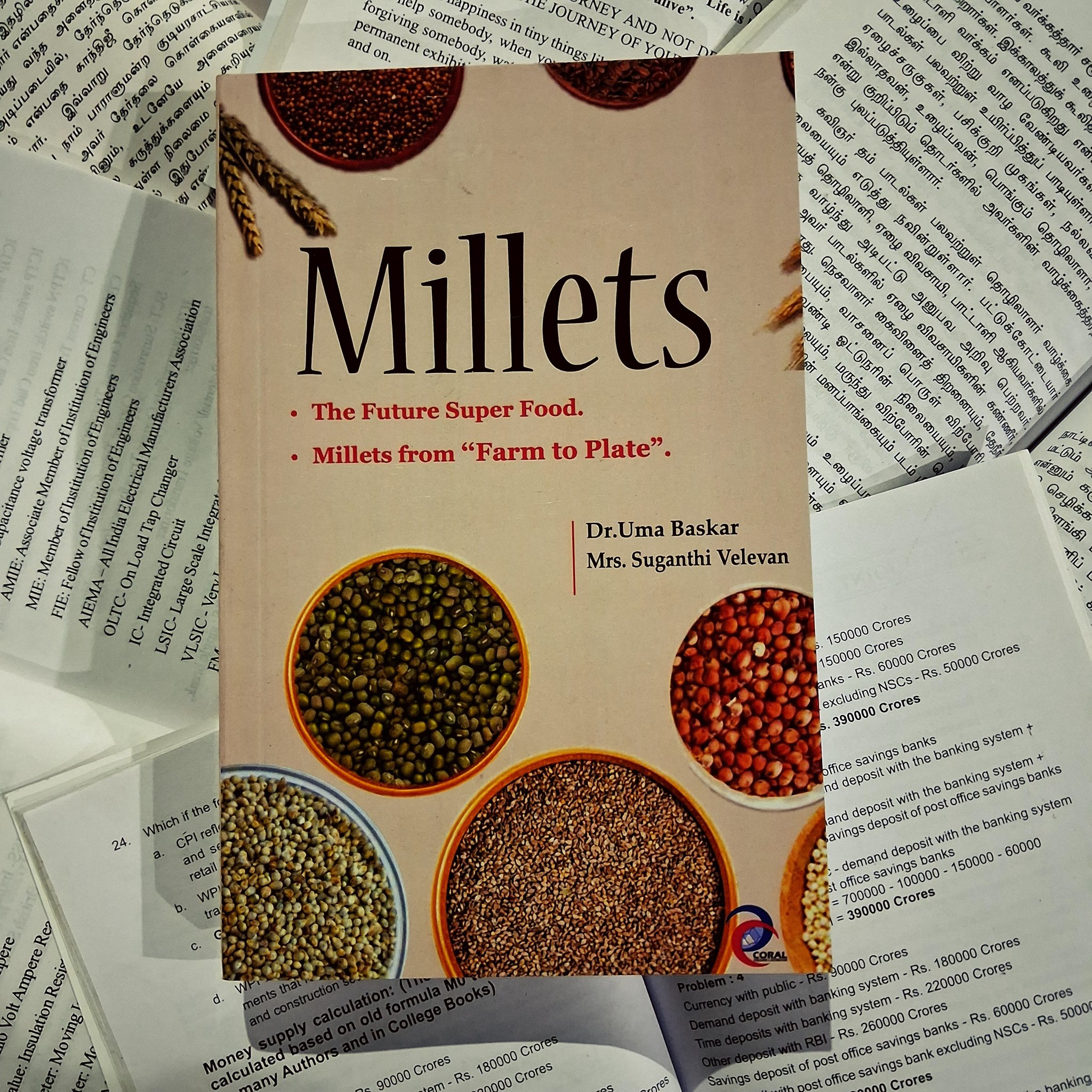
– Nutritional Powerhouse: Millets are rich in fiber, protein, and minerals, ideal for managing diabetes and obesity.
– Climate-Resilient: Requiring 70% less water than rice, millets thrive in harsh conditions, supporting food security.
– Versatile and Trendy: From gluten-free pastas to breakfast bowls, millets are gaining popularity in modern diets.
– Economic Boost: Millet cultivation empowers farmers and boosts rural economies, especially in regions like India.
– Global Momentum: With UN backing and growing demand, millets are set to transform sustainable food systems.
In an era defined by fast-paced living, climate challenges, and a growing focus on health, millets are emerging as a nutritional powerhouse and a sustainable solution. These ancient grains, once staples in traditional diets across Africa and Asia, are now gaining global traction for their versatility, health benefits, and environmental resilience. As lifestyles evolve and dietary preferences shift toward sustainability and wellness, millets are proving to be a game-changer.
Why Millets Matter Now
Millets, including varieties like sorghum, pearl millet, and finger millet, are nutrient-dense, gluten-free grains packed with fiber, protein, vitamins, and minerals such as iron and magnesium. Their low glycemic index makes them ideal for managing diabetes, a growing concern with modern sedentary lifestyles. According to the World Health Organization, non-communicable diseases like diabetes and obesity are on the rise, with over 1.9 billion adults overweight globally in 2024. Millets offer a low-calorie, high-fiber alternative to refined grains, promoting heart health and weight management.
Beyond nutrition, millets are a climate-smart crop. Requiring minimal water and thriving in arid conditions, they are a sustainable choice in the face of climate change. The Food and Agriculture Organization (FAO) reports that millets use 70% less water than rice, making them a vital crop for water-scarce regions. With global food systems under pressure, millets’ ability to grow in harsh environments positions them as a key player in food security.
Millets in Modern Diets
The resurgence of millets aligns with the rise of plant-based and gluten-free diets. From millet-based pastas and breads to trendy breakfast bowls, these grains are finding their way into urban kitchens. Chefs and food brands are innovating with millet recipes, appealing to health-conscious consumers. Posts on X highlight millets’ versatility, with users sharing recipes for millet salads, porridges, and even desserts, reflecting their growing popularity.
Economic and Cultural Impact
Millets are also empowering farmers and reviving traditional agricultural practices. In India, the world’s largest millet producer, government initiatives are promoting millet cultivation to boost rural economies. The United Nations declared 2023 the International Year of Millets, spotlighting their role in sustainable development. This momentum continues, with global demand for millets projected to grow by 8% annually through 2030, according to agricultural market reports.
Challenges and the Way Forward
Despite their benefits, millets face challenges, including limited awareness and competition from more established grains like wheat and rice. Scaling up processing infrastructure and educating consumers are critical to mainstreaming millets. Governments and organizations are stepping up, with campaigns promoting millets as a “smart food” for health and the planet.
As lifestyles prioritize wellness and sustainability, millets are more than a trend—they’re a solution. From reducing carbon footprints to nourishing billions, these humble grains are shaping the future of food.