























Middle East War Enters Day 12: Why the Conflict Escalated, Who Is Involved, and What Is at Stake
March 2026 — International Desk
The escalating conflict in the Middle East has entered its 12th day, raising global concerns about regional stability, energy security, and the possibility of a wider international confrontation. What began as a series of targeted military strikes has now evolved into a multi-front war involving major regional and global powers.
The conflict primarily pits Iran against Israel and the United States, but its consequences are being felt across the wider Middle East, drawing in neighboring countries and threatening critical global trade routes.
Why Did the War Start?
The current war began on February 28, 2026, when joint U.S.–Israeli airstrikes targeted multiple Iranian military and government sites, including facilities in Tehran and other major cities. The strikes reportedly killed several senior Iranian leaders, including Supreme Leader Ali Khamenei, triggering immediate retaliation from Tehran.
Iran responded with hundreds of drones and ballistic missiles, targeting Israeli cities and U.S. military bases across the Gulf region. These retaliatory attacks quickly expanded the conflict beyond Iran and Israel, affecting countries such as Qatar, Saudi Arabia, Kuwait, and the United Arab Emirates.
Who Is Involved?
While the core confrontation is between Iran and Israel, the war now includes several major actors:
- United States – conducting air and naval operations alongside Israel
- Iran – launching missile, drone, and cyber attacks in retaliation
- Israel – carrying out airstrikes across Iran and Lebanon
- Regional actors – including Saudi Arabia and Gulf states intercepting missiles and drones
- Iran-aligned groups such as Hezbollah, which have also engaged Israel from Lebanon
The widening participation has turned the conflict into a regional security crisis rather than a limited bilateral war.
What Is the War About?
Several overlapping issues are driving the confrontation:
1. Power Struggle in the Middle East
The war reflects the long-standing rivalry between Iran and Israel, both competing for strategic dominance in the region.
2. Nuclear and Military Tensions
Western nations have long accused Iran of pursuing nuclear weapons capability, while Iran insists its nuclear program is peaceful.
3. Regime Change Pressure
Analysts say the initial strikes were partly intended to weaken or destabilize Iran’s leadership structure.
4. Strategic Control of Energy Routes
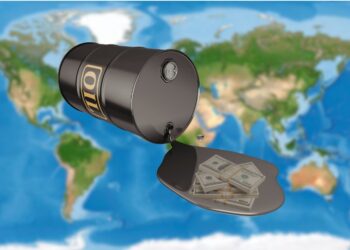
The conflict threatens the Strait of Hormuz, a crucial shipping route through which a large portion of the world’s oil supply passes. Disruption there could send global energy prices soaring.
Human and Economic Impact
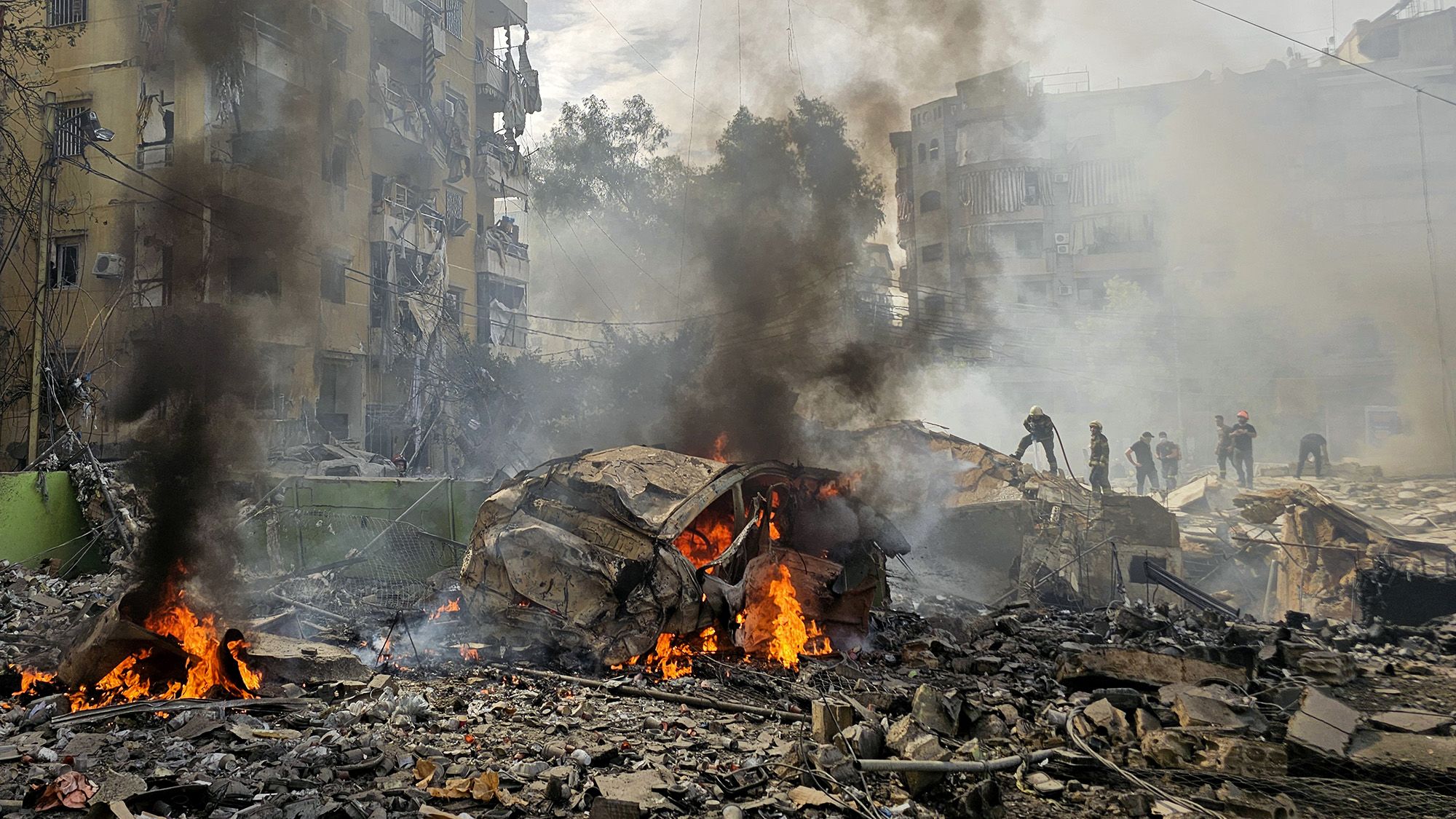
The humanitarian cost is rising rapidly. Thousands of civilians across Iran, Israel, and neighboring regions are living under constant missile alerts and air raid sirens. Infrastructure damage, displacement, and military casualties are increasing as the war intensifies.
Global markets are also reacting nervously. Oil supply disruptions, shipping risks in the Persian Gulf, and geopolitical uncertainty are already affecting international trade and energy prices.
What Happens Next?
Despite international calls for de-escalation, both sides appear unwilling to back down. Iran has rejected calls for a ceasefire, while the United States and Israel continue to intensify military operations.
As the war enters its second week, analysts warn that any further escalation could draw additional regional powers into the conflict, transforming it into one of the most dangerous geopolitical crises in recent decades.