























Ash Wednesday: Meaning, Purpose, and Spiritual Significance
Introduction
Ash Wednesday marks the beginning of Lent, a sacred 40-day period of prayer, fasting, and inner renewal observed by Christians across the world. Rooted in ancient spiritual practice, Ash Wednesday invites believers to pause, reflect, and realign their lives with deeper spiritual values.
Far from being a ritual of sorrow alone, Ash Wednesday is a profound reminder of human humility, moral responsibility, and the journey toward inner transformation.
What Is Ash Wednesday?
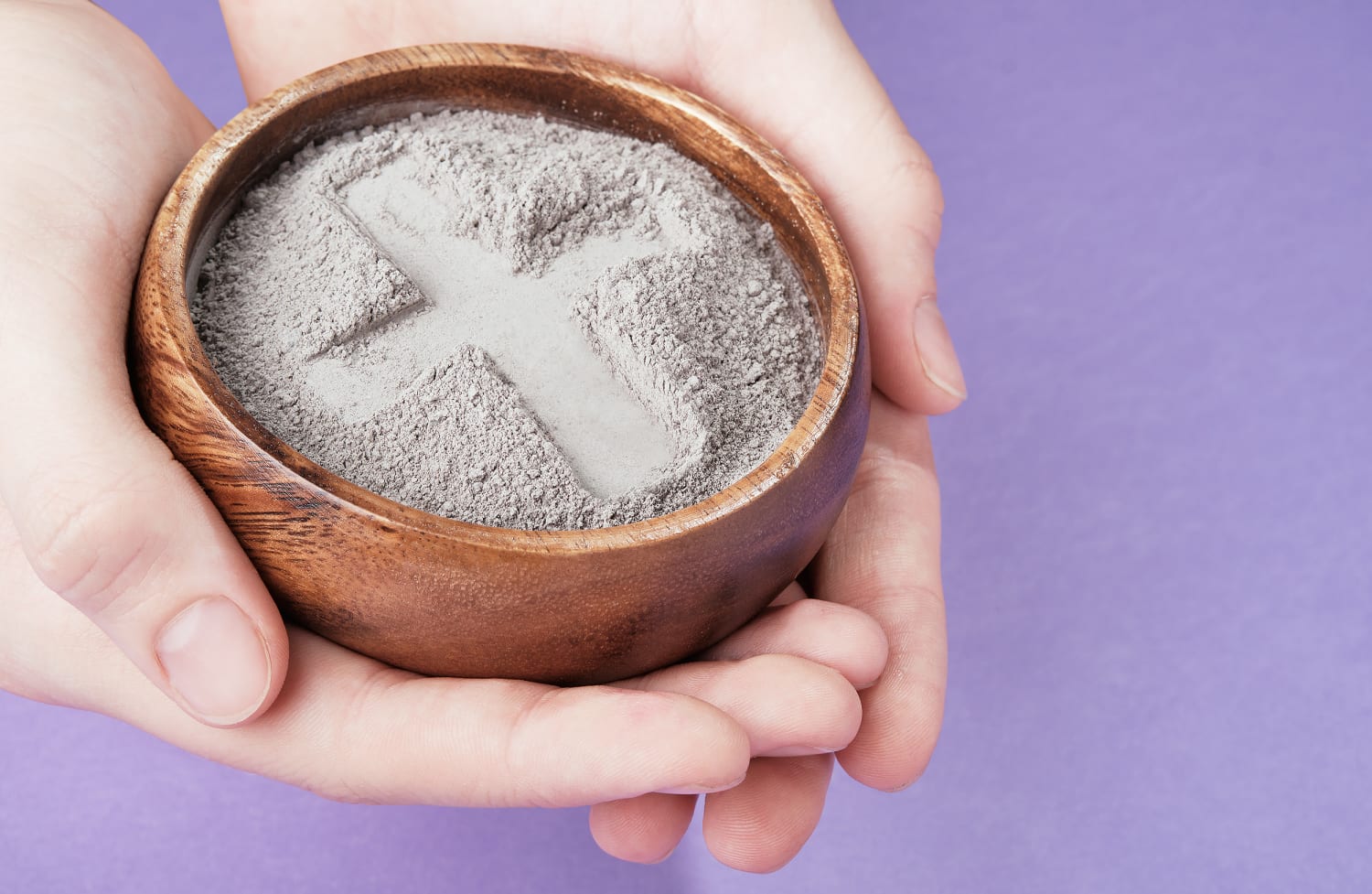
Ash Wednesday is a solemn Christian observance that falls 46 days before Easter, usually in February or March. On this day, ashes made from the burnt palm leaves of the previous year’s Palm Sunday are applied to the forehead in the shape of a cross.
As the ashes are placed, the priest traditionally says:
“Remember that you are dust, and to dust you shall return.”
This ritual symbolizes the temporary nature of the human body and the eternal nature of the soul.
Why Ashes Are Used
Ashes have held symbolic meaning across civilizations as signs of:
- Mortality
- Repentance
- Humility
- Spiritual awakening
In the Christian tradition, ashes remind believers that ego, pride, and material identity must dissolve for spiritual rebirth to occur. The external mark reflects an internal intention: the willingness to change.
Spiritual Purpose of Ash Wednesday
1. Reminder of Human Mortality
Ash Wednesday confronts a universal truth: life is impermanent. By acknowledging mortality, individuals are encouraged to live more consciously, ethically, and compassionately.
2. Call to Repentance and Inner Cleansing
It is a day to recognize personal shortcomings—not with guilt, but with honesty. Repentance here means turning inward, correcting the mind, and restoring moral balance.
3. Beginning of a Spiritual Journey
Ash Wednesday opens the door to Lent, a season inspired by the 40 days of fasting and solitude undertaken by in the wilderness, as described in the .
Why Do Christians Observe Ash Wednesday?
Christians observe Ash Wednesday to:
- Detach from excessive materialism
- Practice self-discipline through fasting and prayer
- Cultivate empathy for the suffering
- Renew their relationship with God
It is not about punishment of the body, but training of the soul.
Fasting and Abstinence
Ash Wednesday is traditionally a day of fasting and abstinence. The spiritual intention behind fasting is not hunger, but heightened awareness—learning to master desire rather than be ruled by it.
Ash Wednesday in a Universal Spiritual Context
Though Christian in origin, the philosophy of Ash Wednesday resonates with universal spiritual truths found in Eastern and mystical traditions:
- Impermanence of the body
- Purification through restraint
- Transformation through self-awareness
In this sense, Ash Wednesday is less a religious obligation and more a spiritual technology for inner refinement.
Modern Relevance
In today’s fast-paced, consumption-driven world, Ash Wednesday serves as a counter-cultural pause—a moment to ask:
- Who am I beyond my roles and possessions?
- What truly matters?
- How can I live with greater compassion and clarity?
Conclusion
Ash Wednesday is not about ashes on the forehead, but truth in the heart. It reminds humanity that while the body returns to dust, consciousness can evolve, awaken, and transcend.
By embracing humility, repentance, and intentional living, Ash Wednesday becomes a gateway—not to sorrow—but to spiritual renewal and inner freedom.
Ash reminds us not of our end, but of our opportunity to begin again.