






















Iran–US–Israel Conflict Escalates: Supreme Leader Ayatollah Ali Khamenei Reportedly Killed in Joint Strikes
Tehran / Washington / Tel Aviv — March 1, 2026
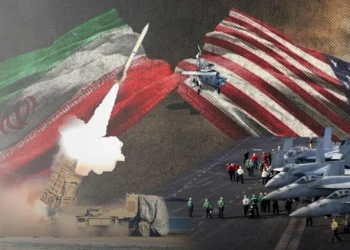
A dramatic military escalation has erupted in the Middle East after coordinated air and missile strikes by the United States and Israel targeted multiple strategic sites across Iran, including facilities linked to the Iranian leadership.
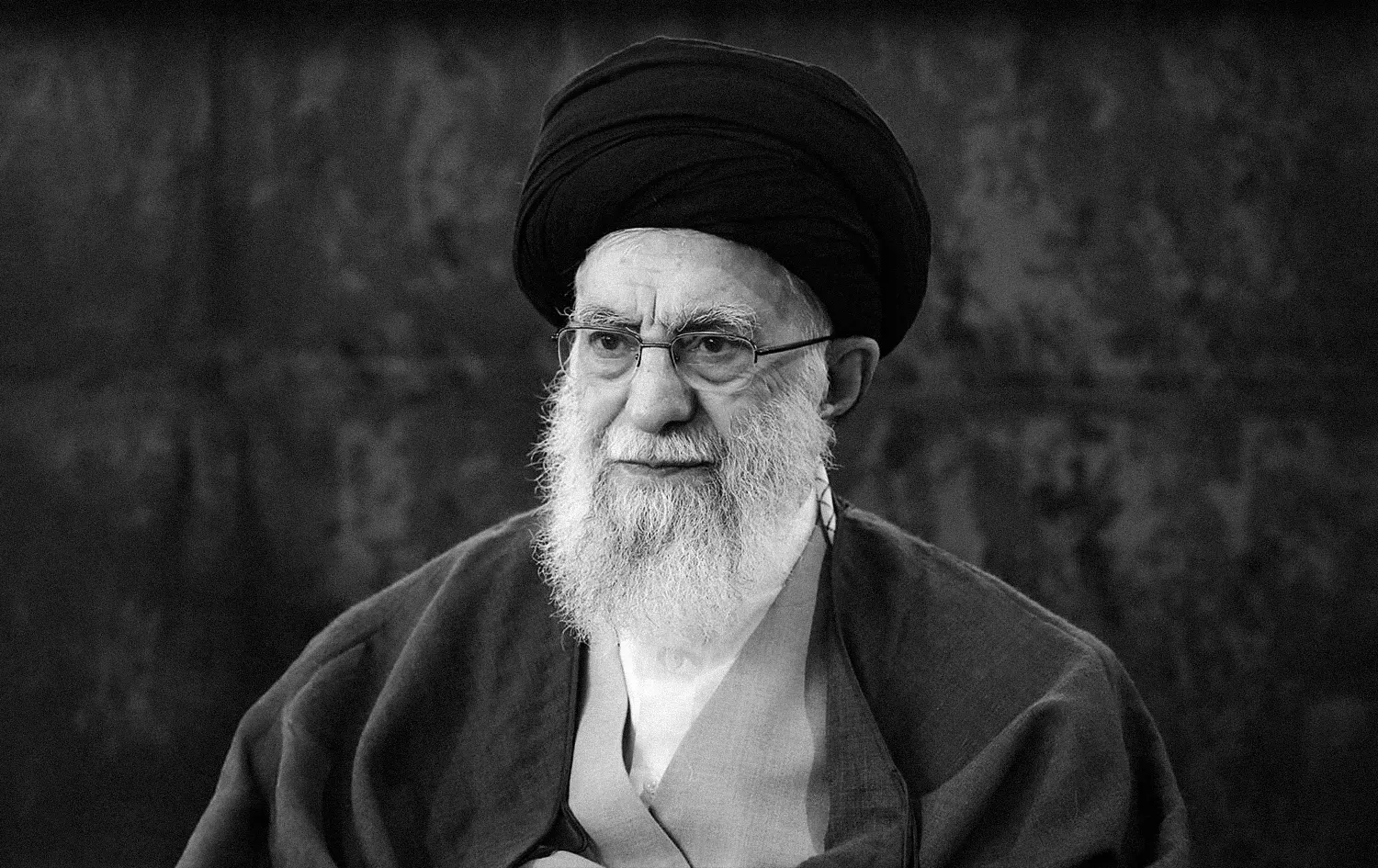
According to official statements from U.S. and Israeli authorities, Iran’s Supreme Leader, Ayatollah Ali Khamenei, has been killed in the strikes. The joint operation — described by U.S. and Israeli officials as a precise campaign against senior leadership and critical military infrastructure — marks one of the most significant escalations between the two adversaries in decades.
What Happened
- In a massive daytime operation on February 28, U.S. and Israeli forces launched hundreds of missiles and air strikes across Iran, targeting Tehran, major military sites, and leadership compounds.
- President Donald Trump publicly announced that Khamenei was among those killed, calling him “one of the most evil men in history” and framing the strike as a move toward regime change in Tehran.
- Israeli Prime Minister Benjamin Netanyahu also stated that there were “many signs” Khamenei no longer survived the attack after his compound was destroyed.
Confirmation and Reaction
Iranian state media later confirmed Khamenei’s death and announced a 40-day period of national mourning, a signal of deep shock within Tehran. Reports indicate several senior officials — including members of Khamenei’s family and high-ranking military commanders — were killed in the operation.
In response, Iran launched retaliatory missile and drone strikes targeting Israeli territory and U.S. military bases in the Gulf region, including Bahrain, Kuwait, and Qatar. Casualties and infrastructure damage have been reported in multiple countries, raising fears of further regional instability.
Trump’s Justification and Strategic Claim
President Trump wrote on social media that the operation was backed by advanced intelligence and described it as a decisive effort “to secure lasting peace” by removing an existential threat to regional stability. He also suggested that heavy bombing would continue until strategic objectives were met.
However, some U.S. lawmakers have criticized the strike for lacking clear congressional authorization, intensifying domestic debate over executive war powers.
Regional and Global Implications
Foreign governments and international organizations have expressed deep concern over the rapid escalation. Oil markets have reacted sharply, with fears of disruptions through the Strait of Hormuz, a major global energy route. Worldwide diplomatic efforts to de-escalate are now underway, even as military exchanges continue.
Analysts warn that the death of Iran’s Supreme Leader — a figure who held unparalleled political and religious authority since 1989 — may trigger prolonged instability within Iran and across the broader Middle East.