

















Indian Messiah: Mahatma Gandhi’s Enduring Global Legacy
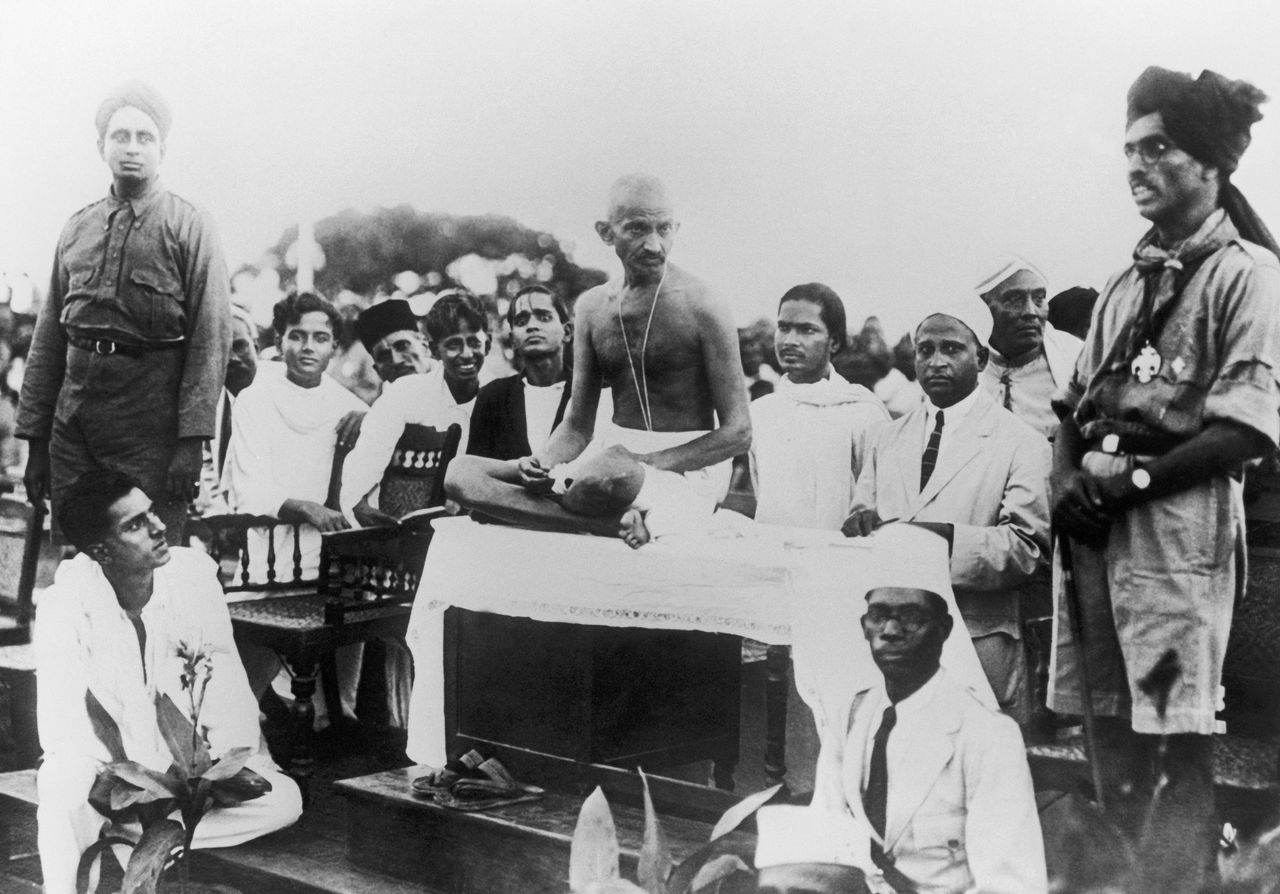
New Delhi: Few figures in modern history have shaped the moral and political consciousness of the world as profoundly as . Revered by millions as the “Father of the Nation” in , Gandhi’s philosophy of nonviolence and truth continues to resonate far beyond the borders of the country he helped liberate.
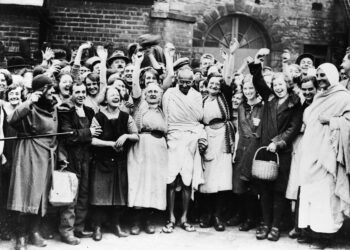
Born in 1869 in Porbandar, Gujarat, Gandhi emerged as the central figure in India’s struggle against British colonial rule. His leadership during key movements such as the and the broader Non-Cooperation Movement galvanized millions of Indians into peaceful resistance, redefining the nature of political protest in the 20th century.
A Philosophy Beyond Politics
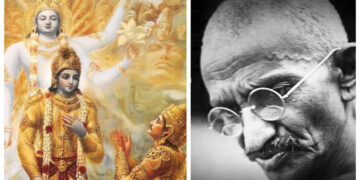
Gandhi’s guiding principles—Ahimsa (nonviolence) and Satyagraha (truth-force)—were not merely political tools but a way of life. His belief that moral strength could triumph over physical force inspired global leaders, including and , who adapted his methods in their own struggles for justice and equality.
In an era marked by conflict and division, Gandhi’s teachings offered a radically different vision—one where dialogue, tolerance, and compassion were the foundations of societal transformation.
The Making of a National Icon
Gandhi’s role in the culminated in India’s independence in 1947. However, the partition that accompanied independence brought immense human suffering, something Gandhi deeply mourned. Until his final days, he worked tirelessly to promote communal harmony between Hindus and Muslims.
His assassination in 1948 shocked the world, turning him into a global martyr for peace. Today, his birthday, October 2, is commemorated as the International Day of Non-Violence by the United Nations.
A Global Symbol of Conscience
Decades after his death, Gandhi’s relevance remains undiminished. From climate activism to civil rights movements, his methods continue to inspire those seeking change without violence. Institutions, scholars, and policymakers worldwide revisit his ideas as they confront modern challenges such as political polarization and social injustice.
While often idealized as a saintly figure, historians also engage in critical discussions about his strategies and views, reflecting a nuanced understanding of his legacy. Yet, even critics acknowledge his unparalleled contribution to redefining resistance and leadership.
Conclusion
Mahatma Gandhi’s life stands as a testament to the power of moral courage in the face of oppression. As nations grapple with evolving political and ethical dilemmas, his message remains clear: lasting change begins with truth, discipline, and an unwavering commitment to peace.
In a turbulent world, the “Indian Messiah” continues to guide humanity—not through power or force, but through the enduring strength of conscience.