






















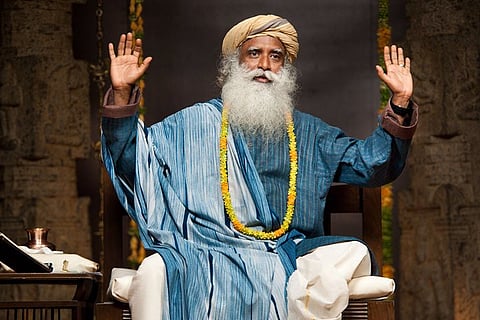
India’s No.1 Corporate Godman Jaggi Vasudev?
A Brief Look at Cases, Controversies & Commercialisation Around
Introduction
popularly known as Sadhguru, has built one of India’s most influential spiritual brands through the . While admired by followers worldwide, he has also faced legal cases, allegations, and criticism related to land use, environmental compliance, finances, and the commercial use of spirituality—particularly invoking .
This article briefly examines reported cases so far and the revenue models linked to spiritual branding, based on publicly available information.
1. Legal Cases & Official Scrutiny (Reported)
Note: The following are allegations or legal proceedings reported in media and court records; none imply proven guilt unless stated.
a) Land & Environmental Disputes
- The Isha Yoga Center (Coimbatore) has faced scrutiny over construction in ecologically sensitive zones near forest land.
- Petitions were filed alleging violations of environmental clearance norms and illegal constructions.
- Authorities have issued notices at various times; matters moved between tribunals and courts.
b) Compliance with Environmental Regulations
- Questions were raised regarding EIA (Environmental Impact Assessment) permissions.
- Isha Foundation has publicly stated that it has complied with applicable laws and obtained necessary approvals.
c) Financial Transparency Questions
- Critics and activists have demanded greater clarity on donations, foreign contributions, and trust operations.
- Isha Foundation maintains it is compliant with FCRA, Income Tax, and audit norms.
d) Allegations by Activists & Civil Groups
- Concerns raised include land encroachment, tribal rights, and ecological impact.
- No criminal conviction has been established against Jaggi Vasudev personally.
2. Commercial Models Built Around Spirituality & Shiva Symbolism
a) Yoga & Meditation Programs
- High-value paid programs:
- Inner Engineering
- Advanced meditation retreats
- Shiva is frequently portrayed as the “Adi Yogi” (first yogi), positioning programs as ancient and sacred.
b) Merchandise & Sacred Branding
- Sale of:
- Rudraksha beads
- Sacred ash (vibhuti)
- Books, apparel, icons
- Products are marketed with Shiva-centric spiritual legitimacy.
c) Isha Life & Organic Products
- Food items, health supplements, wellness products
- Premium pricing justified through “conscious living” and yogic lifestyle narratives
d) Events, Statues & Tourism
- Large-scale installations like Adiyogi statues
- Ticketed events, donations, tourism-driven revenue
- Shiva imagery plays a central emotional and symbolic role
e) Media, Digital & Global Outreach
- YouTube monetisation, OTT content, global tours
- Speaking engagements, collaborations with corporates & governments
3. Criticism: Faith vs Corporate Structure
Critics argue that:
- Spiritual symbolism is strategically monetised
- Shiva is used as a brand anchor, not just a deity
- Faith-driven donations blur lines between devotion and commerce
Supporters counter that:
- Revenue sustains social, ecological, and spiritual initiatives
- Modern spirituality requires professional management
Conclusion
Jaggi Vasudev represents a new-age spiritual corporate model—a blend of mysticism, marketing, and mass outreach. While no court has convicted him of criminal wrongdoing, ongoing controversies raise questions about spiritual authority, transparency, and the commercial use of sacred traditions, especially those associated with Lord Shiva.
The debate ultimately reflects a larger issue in India today:
Where does spirituality end—and corporate religion begin?