


















Imran Khan Allegedly Loses Vision in Jail as Pakistan Army Chief Asim Munir Faces Global Scrutiny Over Denial of Medical Care
International Desk
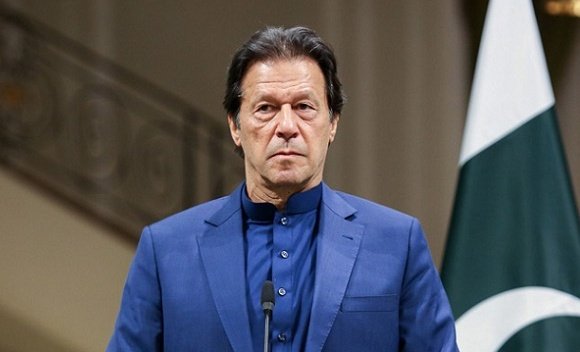
Serious concerns are mounting over the health and human rights of former Pakistan Prime Minister and 1992 World Cup–winning cricket captain , following unverified but widely circulated reports claiming that he has suffered partial or complete loss of vision while in prison.
Supporters of Khan and leaders of his party, (PTI), allege that the deterioration in his eyesight is the result of systematic denial of medical treatment, an accusation they directly attribute to Pakistan’s powerful military establishment under Army Chief .
The Pakistani government and military authorities have formally denied these allegations, asserting that Khan is receiving medical attention in accordance with prison regulations. However, the absence of transparent medical disclosures has intensified international concern.
Health Crisis Behind Bars
Imran Khan, 71, has been held in Adiala Jail since August 2023 after being convicted in multiple cases related to corruption, state secrecy, and marriage laws—charges his supporters and several international observers describe as politically motivated.
According to PTI leaders and Khan’s legal team:
- He has been confined largely in solitary conditions
- Family access and lawyer meetings have been severely restricted
- Requests for independent medical evaluation have been repeatedly denied
- His vision problems reportedly worsened due to untreated eye conditions and stress
Medical experts note that prolonged incarceration, inadequate lighting, untreated hypertension, diabetes, or trauma can significantly impact eyesight—especially in older detainees.
Asim Munir and the Military’s Expanding Role
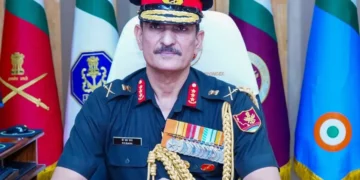
The allegations have placed renewed global attention on the role of Pakistan’s military, particularly under the leadership of Asim Munir. Since Khan’s removal from office in April 2022, critics argue that the army has exercised unprecedented influence over civilian institutions, including courts, election bodies, and prisons.
Human rights groups allege that:
- Civil liberties have sharply declined
- Political dissent is being criminalized
- Media coverage critical of the army is systematically suppressed
Munir, however, has consistently rejected claims of military interference, stating that the army is merely upholding “constitutional order.”
International Reaction and Human Rights Concerns
Several international watchdogs and legal observers have expressed alarm, warning that the alleged denial of medical care—if proven—could violate:
- The UN Standard Minimum Rules for the Treatment of Prisoners (Nelson Mandela Rules)
- International human rights conventions to which Pakistan is a signatory
Calls are growing for:
- An independent medical panel
- Access for international observers
- Immediate transparency regarding Khan’s health status
Pakistan’s Foreign Office has dismissed what it terms “foreign interference,” stating that the matter is an internal legal issue.
From World Cup Hero to Political Prisoner
Imran Khan remains a towering figure in Pakistan’s national consciousness. As the captain who led Pakistan to its historic victory, and later as a reformist politician, his downfall represents a dramatic shift in the country’s political landscape.
Analysts warn that any severe harm to Khan while in custody could trigger:
- Mass protests
- Political instability
- Increased international isolation for Pakistan
Conclusion
While definitive medical confirmation is still lacking, the allegations surrounding Imran Khan’s vision loss and the alleged denial of treatment have become a symbol of Pakistan’s deepening civil-military crisis. As pressure builds, the credibility of Pakistan’s institutions—and the leadership of Asim Munir—faces intense global scrutiny.
Until transparency is ensured, the question remains not only about the health of one man, but about the state of democracy and human rights in Pakistan itself.