






















Ghislaine Maxwell Invokes Fifth Amendment Before US House Committee Amid Renewed Epstein Scrutiny
By Samaran
Founding Editor, worldNow.co.in
Washington / Texas:
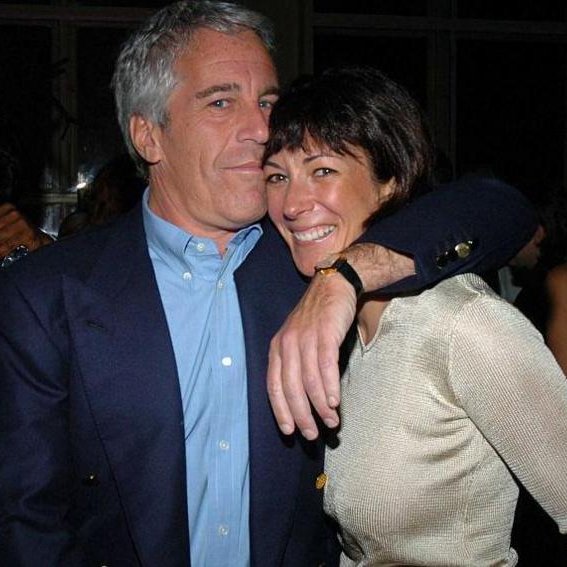
Ghislaine Maxwell, the former girlfriend and close associate of disgraced financier Jeffrey Epstein, has invoked her Fifth Amendment rights before a United States House committee, refusing to answer questions that could potentially incriminate her.
Maxwell, who is currently serving a 20-year federal prison sentence for sex trafficking and related offenses, was questioned via a video call from a federal prison in Texas. The closed-door interaction took place as lawmakers renewed scrutiny of Epstein’s powerful network and the institutional failures that allowed years of sexual abuse to go unchecked.
According to sources familiar with the proceedings, Maxwell declined to respond to several lines of questioning, citing her constitutional right against self-incrimination. The Fifth Amendment of the US Constitution protects individuals from being compelled to testify against themselves in criminal cases—a right frequently invoked during high-stakes congressional inquiries.
The House committee’s interest in Maxwell comes amid growing public and political pressure to uncover the full extent of Epstein’s connections, including alleged enablers, beneficiaries, and those who may have obstructed justice. Epstein, a wealthy financier with ties to global elites, died in a New York jail in 2019 while awaiting trial on federal sex trafficking charges, an event that continues to fuel controversy and conspiracy theories.
Lawmakers are particularly focused on understanding how Epstein maintained access to victims over decades and whether systemic failures within law enforcement and political institutions played a role. While Maxwell’s conviction marked a rare instance of accountability in the case, critics argue that many powerful figures linked to Epstein have yet to face serious scrutiny.
Maxwell’s legal team has consistently maintained that her cooperation is constrained by ongoing legal considerations, despite her conviction. Her refusal to testify substantively before Congress is likely to intensify debates over transparency, accountability, and the limits of congressional oversight in cases involving convicted individuals.
As the Epstein case resurfaces in the public domain, survivors’ advocates continue to call for broader investigations, stressing that justice remains incomplete without full disclosure of the network that enabled one of the most notorious sex trafficking operations in recent history.