



















How Doomscrolling Rewires the Brain: Why Constant Negative News Is Harming Mental Health
By Samaran | International Desk
In an era of 24/7 news alerts and endless social media feeds, negative headlines are no longer occasional disturbances—they have become a constant psychological environment. Mental health researchers now warn that excessive exposure to distressing news, often referred to as doomscrolling, can significantly alter the brain’s stress response, with long-term consequences for emotional well-being.
When Watching Becomes Wounding
Several landmark studies have revealed a counterintuitive finding: people who consumed prolonged media coverage after traumatic events—such as terrorist attacks, natural disasters, or pandemics—often exhibited more acute psychological symptoms than individuals who were physically present at the scene.
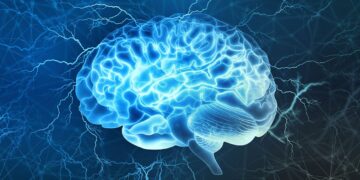
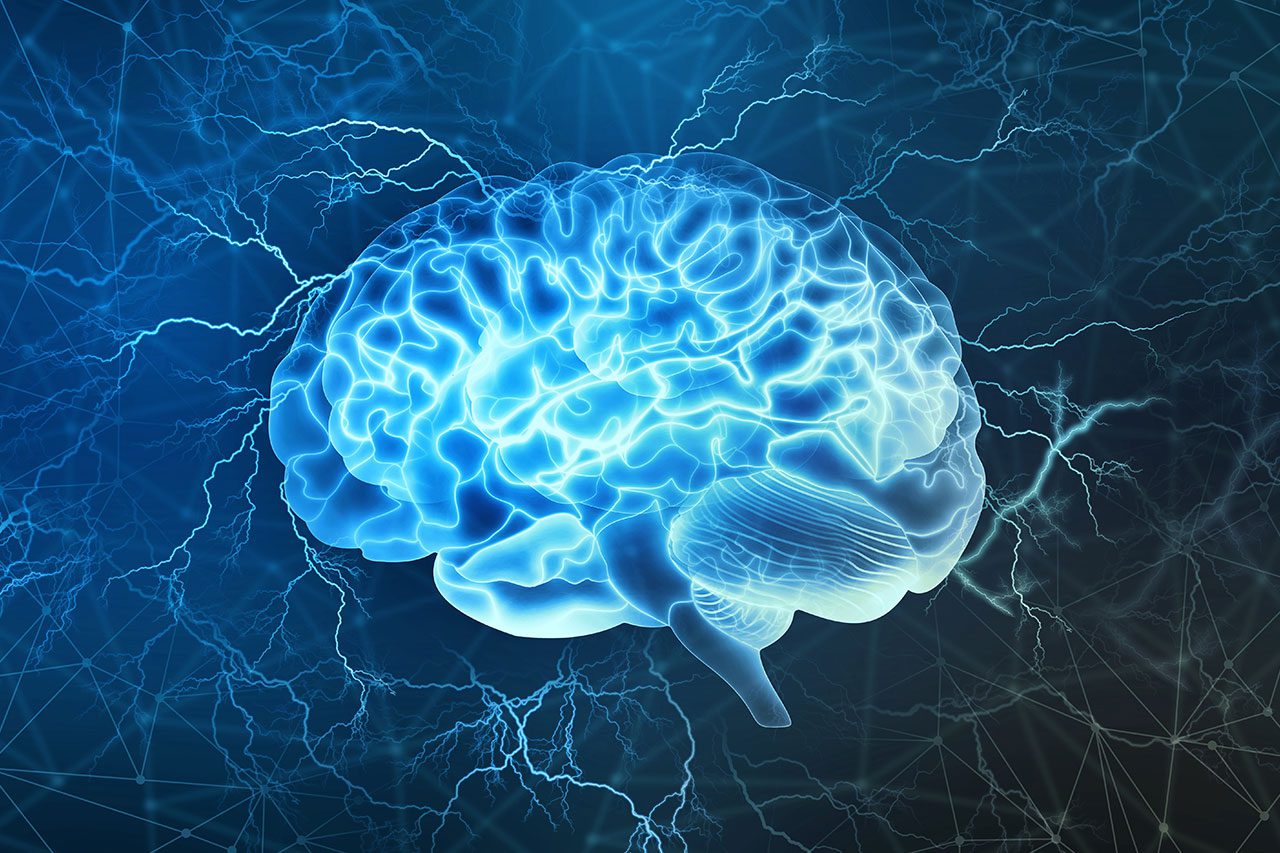
Researchers explain that the human brain does not clearly distinguish between direct threat and vividly perceived threat. Continuous exposure to graphic images, alarming language, and repetitive breaking-news cycles keeps the brain’s amygdala—the center for fear and threat detection—in a state of constant activation. Over time, this leads to heightened anxiety, sleep disturbances, irritability, and symptoms resembling post-traumatic stress disorder (PTSD).
The Neurobiology of Doomscrolling
From a neurological perspective, doomscrolling disrupts the balance between the brain’s emotional and rational systems. While the amygdala sounds the alarm, the prefrontal cortex—responsible for reasoning, emotional regulation, and decision-making—becomes overloaded and less effective.
This imbalance floods the body with stress hormones like cortisol, which, when chronically elevated, can impair memory, weaken immunity, and increase the risk of depression and cardiovascular disease. In short, the brain begins to adapt to a state of perceived permanent crisis.
Why the Brain Gets Hooked on Bad News
Negative news captures attention more effectively than positive information—a phenomenon known as negativity bias. From an evolutionary standpoint, focusing on threats once improved survival. Today, however, digital algorithms exploit this bias, prioritizing emotionally charged content that keeps users scrolling longer.
The result is a feedback loop: anxiety drives news consumption, and news consumption amplifies anxiety.
Healthier Ways to Stay Informed
Experts emphasize that staying informed is not the problem—how and how much we consume news is. Mental health professionals recommend:
- Time-bound news consumption: Checking news at fixed times instead of continuously.
- Source curation: Choosing credible outlets that prioritize context over sensationalism.
- Mindful disengagement: Avoiding news exposure before sleep or during high-stress moments.
- Balance with restorative activities: Physical movement, reading, or time in nature can help reset the nervous system.
Reclaiming Mental Agency in a Noisy World
Understanding how constant exposure to negative news rewires the brain is the first step toward healthier engagement with global events. In a world saturated with crises, mental resilience is no longer just personal—it is a public health necessity.
By consuming news consciously rather than compulsively, individuals can remain informed without sacrificing psychological well-being, proving that awareness and mental health do not have to be mutually exclusive.