


















Donald Trump and the Press: A Presidency Marked by Open Hostility Toward Journalists
From verbal attacks to institutional pressure, Donald Trump’s record reveals an unprecedented confrontation between a world leader and the media.
Washington | International Desk
Donald Trump stands out among global leaders for his openly confrontational and often hostile treatment of journalists. Throughout his political career—most notably during his tenure as the 45th President of the United States—Trump repeatedly displayed contempt for the press through both words and actions, challenging long-standing democratic norms that protect media freedom.
A Pattern of Verbal Attacks
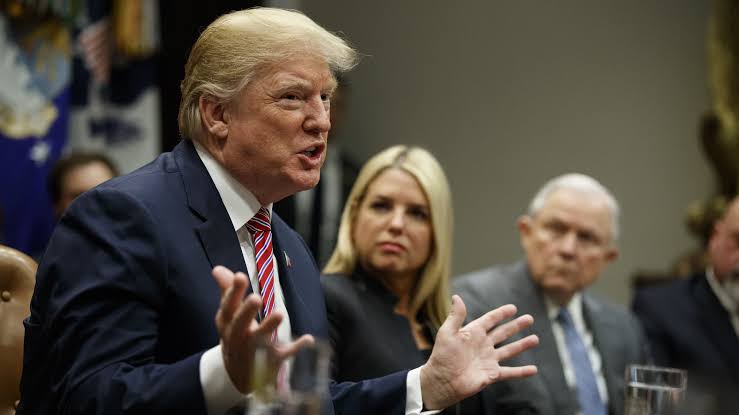
Donald Trump’s relationship with journalists has been defined by persistent verbal aggression. At press conferences, rallies, and on social media, he frequently dismissed reporters as “dishonest,” “corrupt,” and “enemies of the people.” Such language, historically associated with authoritarian regimes, marked a sharp departure from the conventional respect shown by democratic leaders toward the press.
His repeated branding of mainstream media as “fake news” was not limited to criticism of specific reports but extended to broad delegitimization of entire news organizations. This rhetoric contributed to an environment in which journalists were publicly ridiculed, shouted down, or excluded based on unfavorable coverage.
Actions That Reinforced the Rhetoric
Trump’s hostility was not confined to words alone. His administration revoked or threatened to revoke press credentials, selectively granted access to friendly outlets, and openly encouraged supporters to distrust journalists. During campaign rallies, reporters were often singled out, booed, or verbally attacked by crowds—an atmosphere Trump himself fueled through pointed remarks.
On several occasions, Trump refused to answer questions from reporters he deemed critical, undermining the principle of accountability that press briefings are meant to uphold.
Global Concern Over Press Freedom
International press freedom organizations, journalist unions, and human rights advocates consistently expressed concern over Trump’s approach. They warned that his behavior normalized media intimidation and set a dangerous precedent, especially as authoritarian leaders worldwide echoed similar language to justify crackdowns on independent journalism.
By portraying the press as an adversary rather than a democratic institution, Trump blurred the line between criticism and contempt, weakening public trust in factual reporting.
A Lasting Impact
Donald Trump’s confrontational stance toward journalists has had consequences beyond his presidency. His rhetoric reshaped public discourse, intensified polarization, and emboldened attacks on the credibility of the media across the globe. Even after leaving office, his narrative continues to influence political communication and media relations.
Conclusion
While criticism of the press is not new in politics, Donald Trump’s consistent use of degrading language and dismissive actions toward journalists places him among the most openly hostile world leaders toward the media in recent history. His record serves as a stark reminder of how leadership rhetoric can either protect or erode democratic institutions—especially the free press.
This article is based on documented public statements, press conferences, campaign rallies, and administrative actions during Donald Trump’s political career.