




















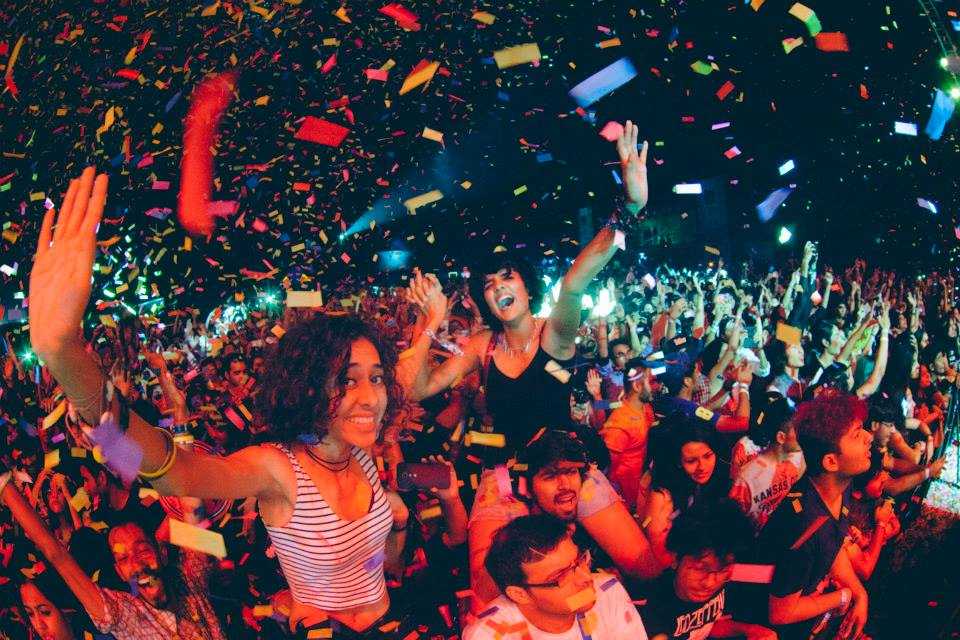
New Delhi, September 26, 2025 — From the neon-lit lofts of Mumbai to the tech corridors of Bengaluru and the coastal party hubs of Chennai, India’s urban nightlife is claiming young lives at an alarming rate. Intimate gatherings—home concerts pulsing with indie music, exclusive private dinners, nostalgic sleepovers, and Chennai’s vibrant private party scene—are turning deadly for the nation’s youth. Fueled by social media, ambition, and easy access to illicit substances, these events are becoming a hidden crisis, with at least 18 fatalities reported in 2025 across major cities, including Chennai’s thriving underground nightlife.
A Lethal Trend in Private Spaces
In Mumbai’s Bandra, 24-year-old engineer Aarav Mehta died in July during a sleepover gone wrong. What began as a carefree night of games descended into tragedy when party drugs, suspected to be MDMA laced with fentanyl, triggered his fatal cardiac arrest. His friends, too intoxicated to react quickly, delayed calling for help. “Aarav lived for these escapes from his 80-hour workweeks,” his sister Neha told *WorldNow.co.in*. “We never imagined a sleepover could end in a morgue.”
In Delhi, 22-year-old Priya Kapoor suffocated in April at a crowded rooftop home concert. The Instagram-hyped “acoustic night” drew over 50 attendees to a venue with one exit. A small electrical fire sparked a deadly stampede, trapping Kapoor in a stairwell. Authorities cited illegal alcohol and safety violations, yet the organizer faced only minor fines.
Bengaluru’s tech elite are not spared. In August, 27-year-old consultant Rohan Singh died after drinking methanol-tainted whiskey at a “founders’ supper club” in Whitefield. The liquor, sourced from an unregulated supplier, reflects a growing menace—methanol poisoning has claimed over 100 lives in India this year. “Rohan trusted the host, not the bottle,” his colleague Ravi Patel said.
Chennai’s Party Scene Under Scrutiny
Chennai, known for its conservative facade, harbors a pulsating private party culture that has also turned deadly. In June, 23-year-old college student Ananya Rao collapsed at a late-night rave in an East Coast Road (ECR) villa, part of Chennai’s booming underground party circuit. Promoted via WhatsApp groups as an “exclusive EDM night,” the event featured smuggled narcotics and bootleg liquor. Rao, a final-year engineering student, overdosed on what police suspect was synthetic ketamine. The villa, rented via a short-term booking app, lacked basic safety measures like fire exits or first-aid kits. “Chennai’s youth are chasing thrills in these secret parties, but no one’s checking what’s in the drinks or drugs,” said Inspector K. Balaji of the Chennai Police.
Chennai’s private party scene, often hosted in ECR’s beachside villas or upscale apartments in Nungambakkam, has exploded with social media’s influence. Events promising “Bollywood nights” or “techno beach vibes” attract students and young professionals, many seeking relief from academic or corporate stress. Yet, the city reported four party-related deaths in 2025, with drugs and alcohol poisoning as leading causes. “Chennai’s nightlife is less regulated than Mumbai or Delhi,” notes sociologist Meera Nair. “Hosts exploit this, and kids pay the price.”
A Generation Caught in the Crossfire
India’s youth—over 60% of its 1.4 billion population—are the most connected yet isolated generation yet. Driven by demanding careers, academic pressures, and social media’s fear-of-missing-out (FOMO), they flock to home concerts, private dinners, sleepovers, and Chennai’s covert raves. Booking platforms report a 200% surge in home concert listings since 2023, while Chennai’s party scene thrives on apps like PartyHunt and encrypted chat groups. Synthetic drugs like fentanyl and unregulated alcohol flow freely, exploiting lax enforcement of India’s Narcotic Drugs and Psychotropic Substances Act.
National Crime Records Bureau data reveals a 35% rise in drug-related deaths among 18- to 30-year-olds at private venues in 2025, with urban centers like Chennai, Mumbai, Delhi, and Bengaluru accounting for 75% of cases. Mental health struggles amplify the risks: A 2024 study found 40% of urban Indian youth face severe anxiety, often self-medicating at these events. “Global party trends meet India’s realities—cheap liquor, overcrowded venues, no oversight,” says criminologist Vikram Desai. “It’s a deadly mix.”
A Cry for Change
Grieving families are fighting back. Neha Mehta, Aarav’s sister, now leads “Safe Night India,” pushing for naloxone kits and sober monitors at gatherings. In Chennai, Ananya Rao’s parents have joined local campaigns urging stricter venue regulations. Social media movements like #NightlifeKills and #PartySafeIndia have amassed millions of views, blending grief with demands for reform.
The government responded in August with a task force to inspect private venues, but critics, including Chennai-based activist Lena Fernandez, call it insufficient. “Raids won’t fix this,” Fernandez says. “Teach young people to spot spiked drinks or blocked exits.” Chennai police have vowed to crack down on ECR’s villa parties, but resource constraints and corruption hinder progress.
As India’s cities pulse with ambition, the nightlife—whether in Mumbai’s lofts, Bengaluru’s bistros, Delhi’s dens, or Chennai’s beachside raves—beckons. Yet, each guitar riff, clinking glass, or EDM drop carries a haunting question: How many more young lives will fade before the night learns to be safe?