























Cortical Thinking: How the Brain’s Cortex Shapes Human Judgment and Decision-Making
Introduction
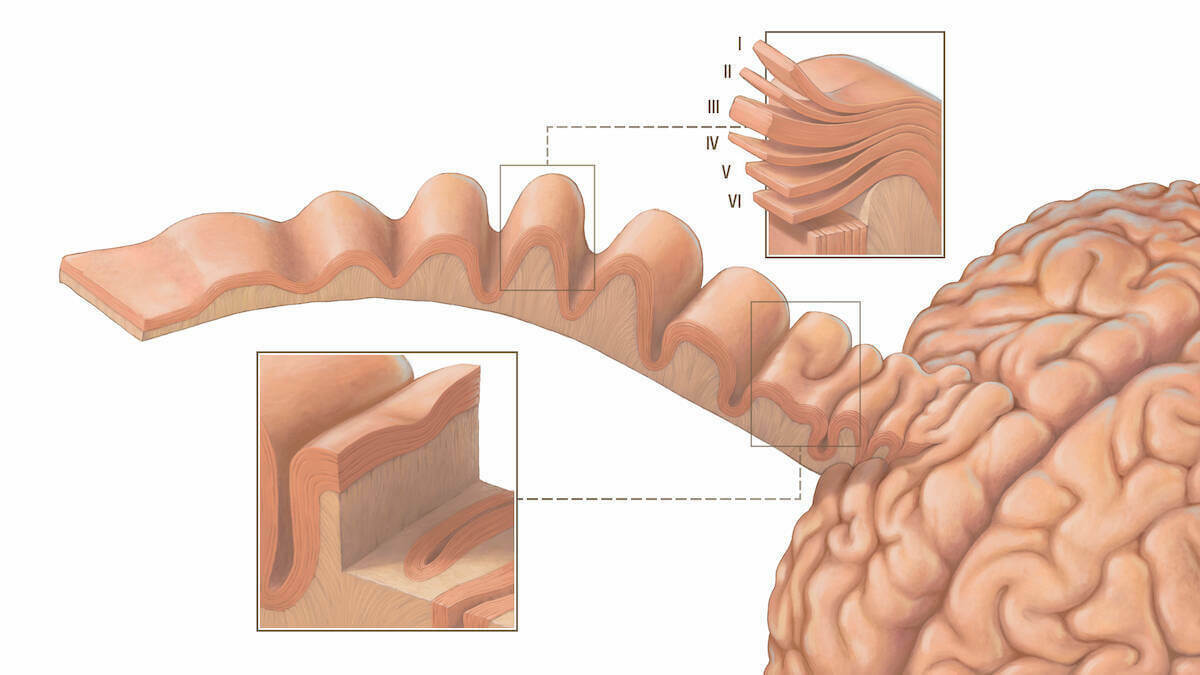
In an era defined by rapid information flow, complex choices, and constant cognitive demand, cortical thinking has emerged as a key psychological concept explaining how humans analyze, reason, and make decisions. Rooted in neuroscience, cortical thinking refers to the higher-order cognitive processes governed by the cerebral cortex—the outermost layer of the human brain responsible for conscious thought.
What Is Cortical Thinking?
Cortical thinking involves deliberate, logical, and reflective mental processes. Unlike instinctive or emotionally driven reactions, it relies on conscious evaluation, pattern recognition, and long-term planning. Psychologists often contrast cortical thinking with impulsive or reflexive thinking, which originates in older, subcortical regions of the brain.
In simple terms, cortical thinking is thinking before acting.
The Science Behind It
The cerebral cortex plays a crucial role in:
- Reasoning and logic
- Language and comprehension
- Moral judgment
- Problem-solving
- Self-control and impulse regulation
When individuals pause to weigh consequences, analyze evidence, or reflect on ethical implications, they are engaging in cortical thinking. Neuroscientific studies show that stronger cortical engagement often leads to more balanced and socially responsible decisions.
Cortical Thinking vs Emotional Thinking
One of the central debates in psychology is the balance between rational thought and emotional response. Emotional thinking is fast and intuitive, helping humans respond quickly to threats or opportunities. Cortical thinking, however, is slower and more analytical.
| Emotional Thinking | Cortical Thinking |
|---|---|
| Fast, instinctive | Slow, deliberate |
| Emotion-driven | Logic-driven |
| Short-term focus | Long-term impact |
| Impulsive | Reflective |
Healthy mental functioning depends on a balance between both—but modern societies increasingly emphasize cortical thinking for leadership, governance, and innovation.
Importance in Modern Society
Cortical thinking is essential in:
- Democratic decision-making
- Scientific research
- Journalism and media ethics
- Conflict resolution
- Education and critical thinking
In political and media landscapes, cortical thinking helps counter misinformation, emotional manipulation, and polarizing narratives by encouraging fact-based evaluation.
Cortical Thinking in Mental Health
Psychologists note that reduced cortical control is often linked with anxiety disorders, addiction, and impulsive behavior. Therapeutic practices such as mindfulness, cognitive behavioral therapy, and meditation are known to strengthen cortical awareness, improving emotional regulation and clarity of thought.
Can Cortical Thinking Be Developed?
Yes. Research suggests cortical thinking can be strengthened through:
- Reading and analytical writing
- Mindfulness and meditation
- Structured problem-solving
- Reflective journaling
- Delayed decision-making habits
These practices enhance neural pathways associated with attention, reasoning, and self-regulation.
Conclusion
Cortical thinking represents the pinnacle of human cognitive evolution—a capacity that allows individuals and societies to rise above impulse and emotion. In a world increasingly driven by instant reactions, nurturing cortical thinking may be the most vital psychological skill of the 21st century.