




















China Condemns Dalai Lama’s Grammy Win as ‘Political Message’
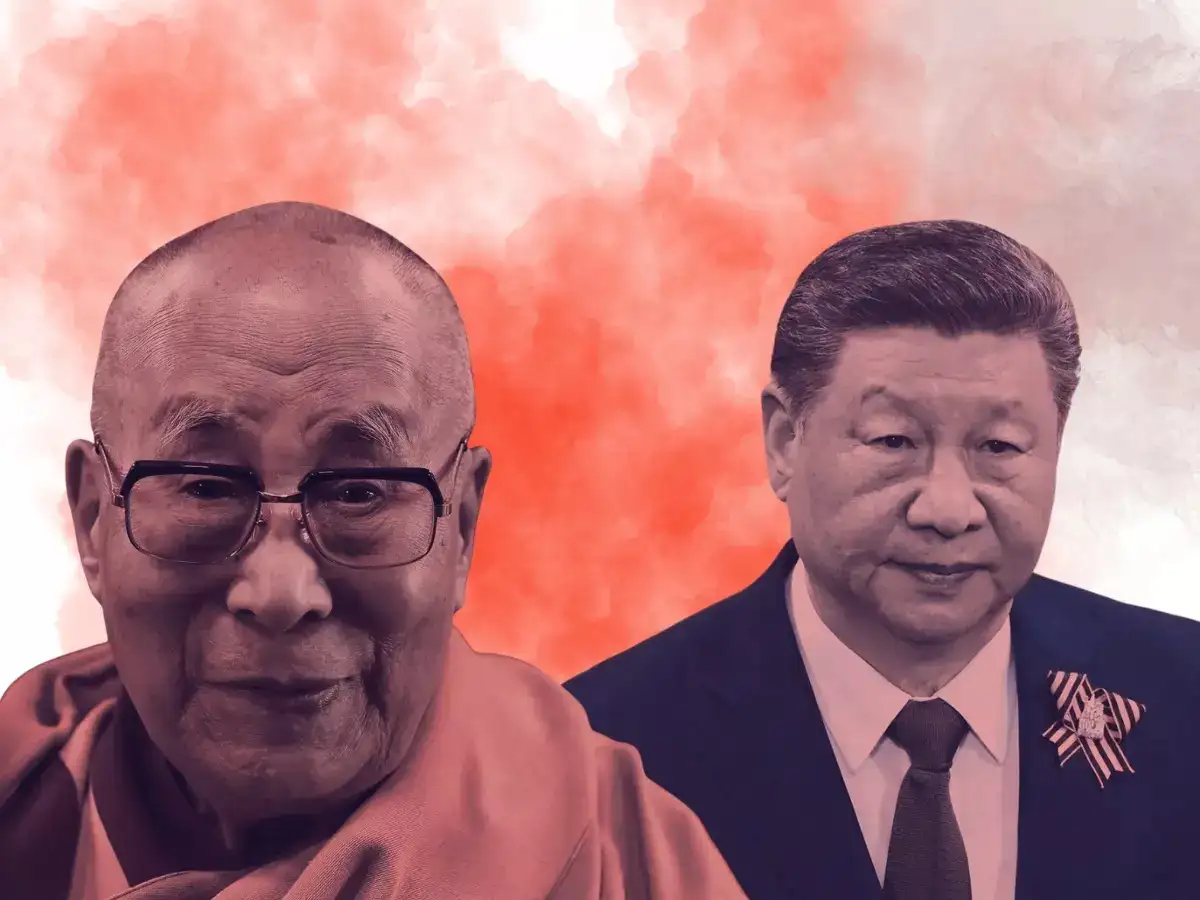
Beijing, February 2, 2026 — China’s government has strongly criticised the decision to award a Grammy to the 14th Dalai Lama, branding the honour a politically-motivated act and part of broader “anti-China activities.” The Tibetan spiritual leader won his first Grammy on Sunday, February 1, in the category of Best Audio Book, Narration and Storytelling Recording for Meditations: The Reflections of His Holiness the Dalai Lama, presented at the 68th annual Grammy Awards in Los Angeles by the Recording Academy.
Beijing’s Sharp Reaction
China’s Foreign Ministry in Beijing denounced the award as a tool for “anti-China political manipulation” and urged international organisations to avoid using cultural platforms to advance what it calls a separatist agenda. Spokesperson Lin Jian reiterated that the Dalai Lama is “not purely a religious figure,” but a “political exile engaged in anti-China separatist activities under the disguise of religion,” claiming the Grammy recognition could amplify what Beijing sees as efforts to undermine China’s sovereignty.
In repeated statements, officials have said they “firmly oppose” the use of such awards to carry out “anti-China activities,” framing the Grammy as an example of Western institutions turning cultural accolades into political leverage.
Dalai Lama’s Response
The 90-year-old spiritual leader expressed gratitude and humility on receiving the Grammy, calling the honour not a personal achievement but a recognition of “shared universal responsibility” and the Buddhist values of peace and compassion.
The Broader China–Dalai Lama Dispute: Historical and Political Roots
A Rift Since 1959
The dispute between China and the Dalai Lama stems from Tibet’s complex modern history. After China’s Communist government asserted control over Tibet in the 1950s, the Dalai Lama fled to India in 1959 following a failed uprising, establishing a government-in-exile in Dharamsala. China regards Tibet as part of its territory and rejects claims of historical independence; the Dalai Lama and many Tibetans argue for greater cultural autonomy and recognition of Tibet’s unique identity.
While the spiritual leader advocates a non-violent “Middle Way” approach — seeking genuine autonomy within the framework of China’s constitution rather than full independence — Beijing continues to label his movement as separatist.
Symbolism, Succession and Control
A core element of the dispute is the selection of the Dalai Lama’s successor. Tibetan Buddhists traditionally believe their spiritual leaders reincarnate, and the Dalai Lama has stated his next reincarnation will be found and recognised by Tibetan religious authorities outside China. Beijing asserts that only the Chinese state has authority to approve or decide the next Dalai Lama’s incarnation, threatening to install its own candidate if necessary — a move that would deepen the schism and create competing claims to spiritual leadership.
This issue has long been cited by Beijing as justification for its stance that the Dalai Lama’s influence must be contained, both domestically and internationally, because it represents a challenge to Communist Party authority and territorial integrity.
Broader Geopolitical Tensions
The China–Dalai Lama conflict also intersects with wider global tensions between China and Western democracies, particularly as many global leaders have criticised Beijing’s human rights record, including its treatment of ethnic and religious minorities. The Grammy controversy illustrates how cultural recognitions can become flashpoints — turning a global arts platform into a symbolic battleground over sovereignty, identity, and political narratives.
Why This Matters Internationally
- Soft power & perception: The Grammy win elevates the Dalai Lama’s global profile and his messages of peace, which China views as politically charged when internationally amplified.
- Human rights concerns: Critics of China say its reaction underscores broader concerns about freedom of expression and religion in Tibetan regions.
- Diplomatic friction: The ongoing dispute complicates relations with countries that host Tibetan exiles or engage with the Dalai Lama diplomatically.
In summary, China’s opposition to the Dalai Lama’s Grammy award is rooted not in disagreement with the accolade itself, but in long-standing geopolitical tensions over Tibet’s status, the spiritual leader’s global influence, and competing claims over religious authority and political legitimacy — issues that continue to shape regional and international diplomacy.