























Can AI Be a Useful Tool in Mental Healthcare?
Artificial Intelligence (AI) is rapidly transforming industries across the globe—and mental healthcare is emerging as one of its most promising frontiers. As demand for psychological support rises and access to trained professionals remains uneven, AI-powered tools are being explored as scalable, accessible solutions to bridge the gap.
A Growing Mental Health Crisis
Mental health disorders such as anxiety, depression, and stress-related conditions are increasing worldwide. According to global health experts, millions struggle to access timely care due to stigma, cost, and a shortage of mental health professionals. In this context, AI presents an opportunity to democratize mental healthcare.
How AI Is Being Used
AI in mental healthcare primarily operates through chatbots, virtual therapists, predictive analytics, and digital monitoring tools.
AI Chatbots & Virtual Therapists: Applications now offer conversational support using natural language processing. These tools can provide immediate responses, cognitive behavioral therapy (CBT)-based techniques, and emotional check-ins 24/7.
Early Detection & Prediction: AI systems can analyze speech patterns, social media activity, and behavioral data to identify early signs of mental distress, enabling preventive intervention.
Personalized Treatment Plans: Machine learning algorithms can help tailor therapy approaches based on individual responses, improving effectiveness over time.
Benefits of AI in Mental Healthcare
AI offers several advantages:
Accessibility: Available anytime, anywhere—especially beneficial in remote or underserved regions.
Affordability: Lower cost compared to traditional therapy sessions.
Anonymity: Reduces stigma by allowing users to seek help privately.
Consistency: Provides standardized responses without fatigue or bias.
Limitations and Ethical Concerns
Despite its promise, experts caution against over-reliance on AI in mental health.
Lack of Human Empathy: AI cannot fully replicate human emotional understanding and nuanced care.
Data Privacy Risks: Sensitive personal data may be vulnerable if not properly protected.
Misdiagnosis Risks: AI systems are only as accurate as the data they are trained on.
Ethical Boundaries: Questions remain about accountability and consent in AI-driven care.
The Future: Human + AI Collaboration
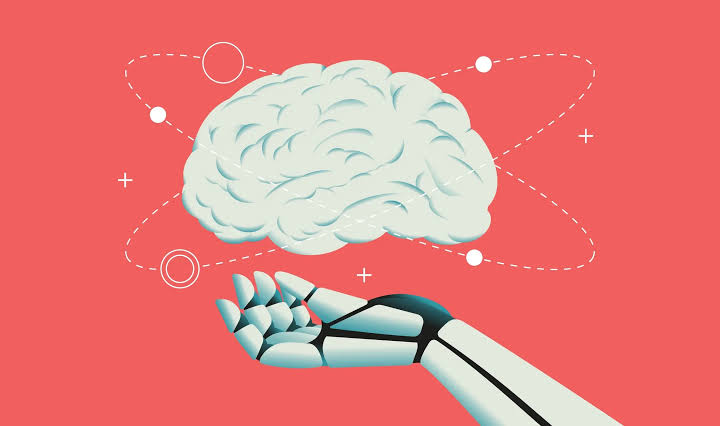
Rather than replacing therapists, AI is increasingly seen as a complementary tool. Mental health professionals can use AI for screening, monitoring, and administrative tasks, allowing them to focus more on direct patient care.
Experts emphasize that the future of mental healthcare lies in a hybrid model—where technology enhances, but does not replace, human connection.
Conclusion
AI has the potential to revolutionize mental healthcare by making support more accessible and proactive. However, its integration must be handled with caution, ethical oversight, and a clear understanding of its limitations. The goal is not to replace human therapists, but to empower them—and the patients they serve.