























Truth, Tears, and Vindication: A Literary Chronicle of AAP’s Liquor Policy Verdict
History often pauses at moments when power confronts truth—and truth, bruised but unbroken, stands tall. The recent judicial clearing of and in the much-debated liquor policy case marks one such moment in contemporary Indian politics.
For months, the case hovered over Delhi’s political skies like a monsoon cloud heavy with suspicion. Allegations, arrests, courtrooms, and relentless media glare turned governance into a crucible. Yet, when the gavel finally spoke, it did not echo accusation—it resonated with acquittal.
The Verdict as a Moral Pause
The court’s decision clearing both leaders is more than a legal closure; it is a moral punctuation. In a system often accused of being swayed by power, the verdict reaffirmed a foundational democratic belief—that institutions, when allowed to function independently, can still distinguish allegation from proof.
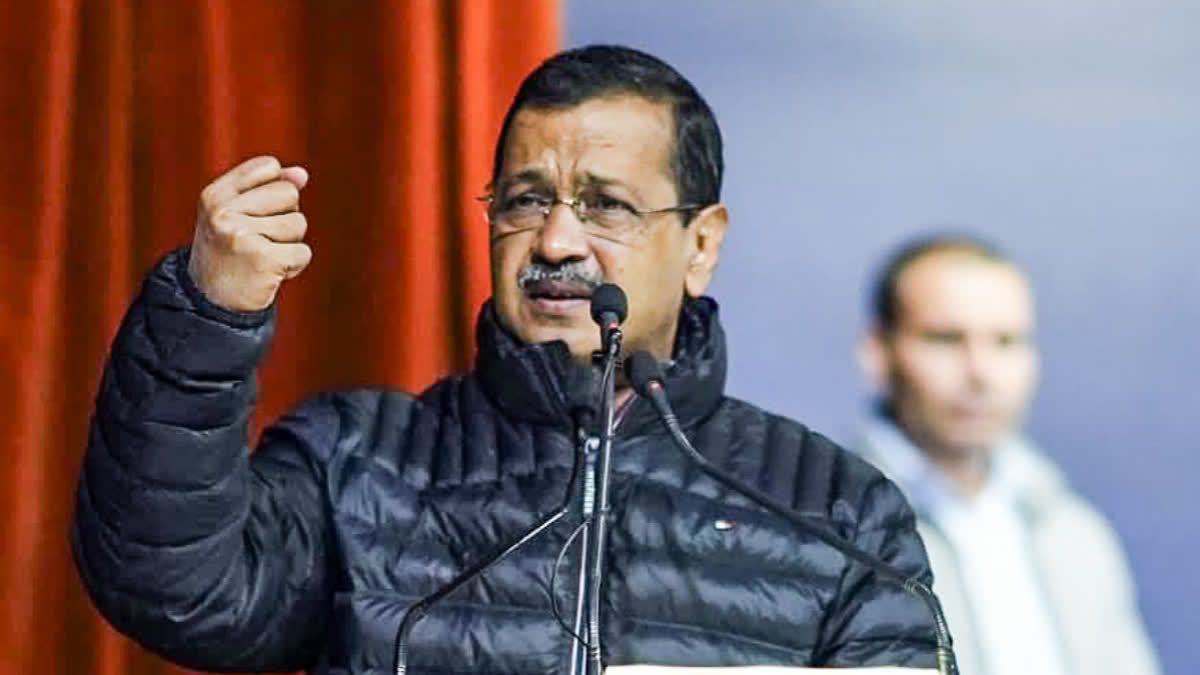
As cameras rolled and microphones crowded close, Kejriwal—former Chief Minister of Delhi and national convener of the —stood visibly shaken. His voice trembled, his eyes welled up, and in a moment stripped of political theatre, he said simply: “Truth always wins.”
Those words, unembellished and human, carried the weight of endurance rather than triumph.
Manish Sisodia: Silence Turned into Strength
For Sisodia, the verdict restored not just political legitimacy but personal dignity. Known for his quiet resolve and reformist vision in education, his silence during the storm now reads like restraint rather than weakness. Vindication arrived not through rhetoric, but through due process.
Politics, Persecution, and Public Memory
This episode will be remembered not merely as a case won, but as a chapter in the evolving relationship between politics and investigative power in India. Supporters see it as proof that accountability cannot be manufactured; critics may reassess narratives built on presumption rather than evidence.
In the broader political landscape, the judgment strengthens AAP’s moral argument—that it represents an alternative politics grounded in transparency and institutional faith. Whether history ultimately agrees will depend on actions yet to unfold. But for now, the moment belongs to relief, tears, and quiet resolve.
Conclusion: When the Law Speaks Softly but Firmly
Literature often reminds us that justice rarely arrives with fireworks; it comes with a whisper that outlasts noise. In clearing Kejriwal and Sisodia, the court has allowed that whisper to be heard. And in a democracy fatigued by cynicism, even a whisper of vindication matters.