











 Sets New Benchmarks in Global Cosmetic Education and Women Empowerment](https://worldnow.co.in/wp-content/uploads/2026/05/FB_IMG_1779691614478-360x180.jpg)



Homosexual Culture in Churches: A Global Conversation on Faith, Inclusion, and Doctrine
By Samaran, Founding Editor
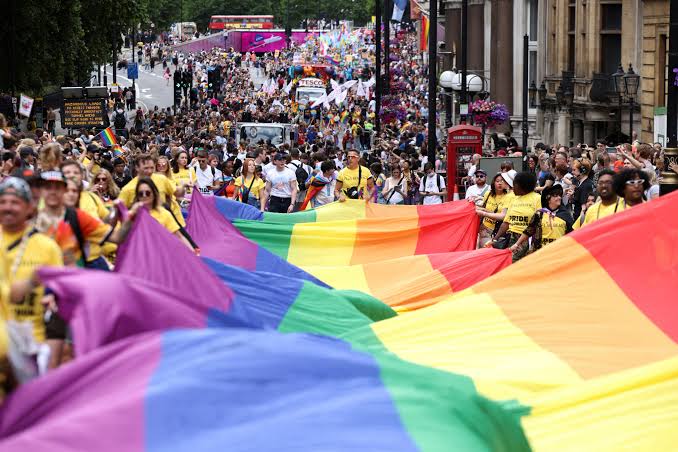
Across continents, churches are confronting an increasingly visible and debated issue: the presence and acceptance of homosexual culture within Christian institutions. What was once a private pastoral matter has become a public theological, social, and political discussion, reflecting wider changes in global attitudes toward sexuality and human rights.
In several Western nations, denominations within the and progressive Protestant churches have moved toward inclusion—welcoming LGBTQ+ members, ordaining openly gay clergy, and blessing same-sex unions. These shifts are often framed as expressions of compassion, equality, and evolving interpretations of scripture.
Conversely, the and many evangelical and Orthodox churches maintain traditional doctrines that define marriage as between a man and a woman. While emphasizing pastoral care and human dignity, they continue to oppose same-sex marriage and clergy ordination based on longstanding theological positions articulated by the and other central authorities.
In Africa, Asia, and parts of Eastern Europe, resistance to homosexual culture within churches remains strong, shaped by cultural conservatism, local laws, and communal values. Yet even in these regions, internal debates are emerging—particularly among younger believers who seek reconciliation between faith and contemporary social realities.
For global Christianity, the issue is no longer whether the discussion exists, but how it will reshape unity, doctrine, and public witness. As churches navigate this complex terrain, the challenge lies in balancing tradition with compassion—while addressing a rapidly changing world that demands clarity, empathy, and dialogue.
 Sets New Benchmarks in Global Cosmetic Education and Women Empowerment](https://worldnow.co.in/wp-content/uploads/2026/05/FB_IMG_1779691614478-350x250.jpg)