















 Sets New Benchmarks in Global Cosmetic Education and Women Empowerment](https://worldnow.co.in/wp-content/uploads/2026/05/FB_IMG_1779691614478-360x180.jpg)




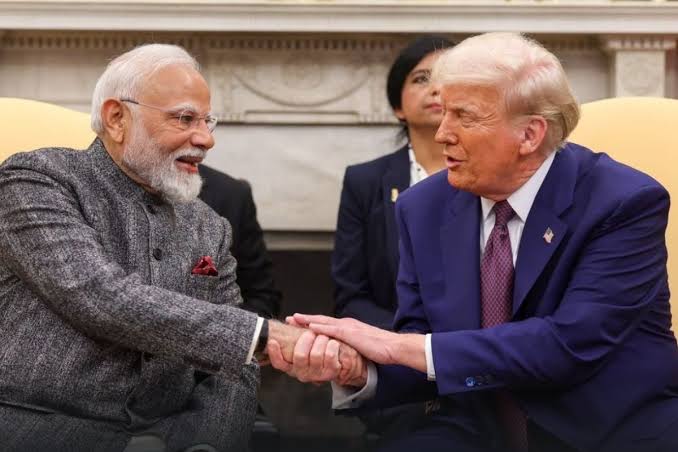
Unpacking the India–US Trade Deal: Who Really Wins?
Could the Epstein Scandal Topple the British Prime Minister?
By Samaran
Founding Editor, worldNow.co.in
New Delhi / Washington / London —
Two developments unfolding across continents are reshaping political conversations in capitals worldwide: the evolving India–United States trade negotiations and the resurfacing political shockwaves of the Jeffrey Epstein scandal in the United Kingdom. While one promises economic opportunity, the other threatens political survival.
India–US Trade Deal: Strategic Partnership or Unequal Exchange?
India and the United States have entered a renewed phase of trade negotiations aimed at strengthening supply chains, boosting bilateral investment, and reducing dependence on China-centric manufacturing ecosystems. On paper, the deal signals a “win-win” partnership. In reality, the benefits appear asymmetrically distributed.
What the US Gains
- Market Access: Greater entry into India’s vast consumer market for American agricultural products, defence equipment, and technology services.
- Strategic Leverage: A stronger economic foothold in South Asia amid rising geopolitical competition with China.
- Supply Chain Diversification: India serves as a viable alternative manufacturing hub for US corporations.
What India Gains
- Technology Transfers in semiconductors, defence, and clean energy.
- Foreign Direct Investment (FDI) and job creation, particularly in electronics and manufacturing.
- Geopolitical Recognition as a key Indo-Pacific partner.
The Hidden Costs
Indian trade experts warn that reduced tariffs on American goods could hurt domestic farmers and small manufacturers. There are also concerns that India’s digital sovereignty and data protection norms may be diluted under pressure from US tech giants.
Who Really Wins?
In the short term, American corporations appear to gain faster and more tangible benefits. India’s gains, while strategic, depend heavily on long-term policy execution and domestic safeguards.
Epstein Scandal Fallout: A Storm Brewing for Britain’s PM?
Across the Atlantic, the Jeffrey Epstein scandal has resurfaced with renewed intensity following fresh document disclosures and political allegations. Shockingly, indirect links to senior British political figures have once again entered public debate.
Why It Matters Now
- Newly unsealed records have revived questions about elite networks and institutional silence.
- Opposition parties are demanding transparency regarding any past associations involving current leadership circles.
- Public trust in political accountability is eroding rapidly.
Can It Topple the Prime Minister?
While no direct evidence currently implicates the British Prime Minister, history shows that perception can be as damaging as proof. In an era of social media amplification and declining tolerance for elite misconduct, even indirect associations can trigger resignations.
Political analysts suggest that if further revelations emerge—or if the government is seen as obstructing inquiries—the scandal could evolve from a moral controversy into a constitutional crisis.
A Shared Lesson Across Democracies
From trade negotiations in Asia to political accountability in Europe, both stories underline a central truth: power without transparency invites backlash. Economic diplomacy and political leadership now operate under unprecedented public scrutiny.
Whether through trade agreements or moral governance, global leaders are learning that legitimacy is no longer negotiated behind closed doors.

 Sets New Benchmarks in Global Cosmetic Education and Women Empowerment](https://worldnow.co.in/wp-content/uploads/2026/05/FB_IMG_1779691614478-120x86.jpg)