











 Sets New Benchmarks in Global Cosmetic Education and Women Empowerment](https://worldnow.co.in/wp-content/uploads/2026/05/FB_IMG_1779691614478-360x180.jpg)



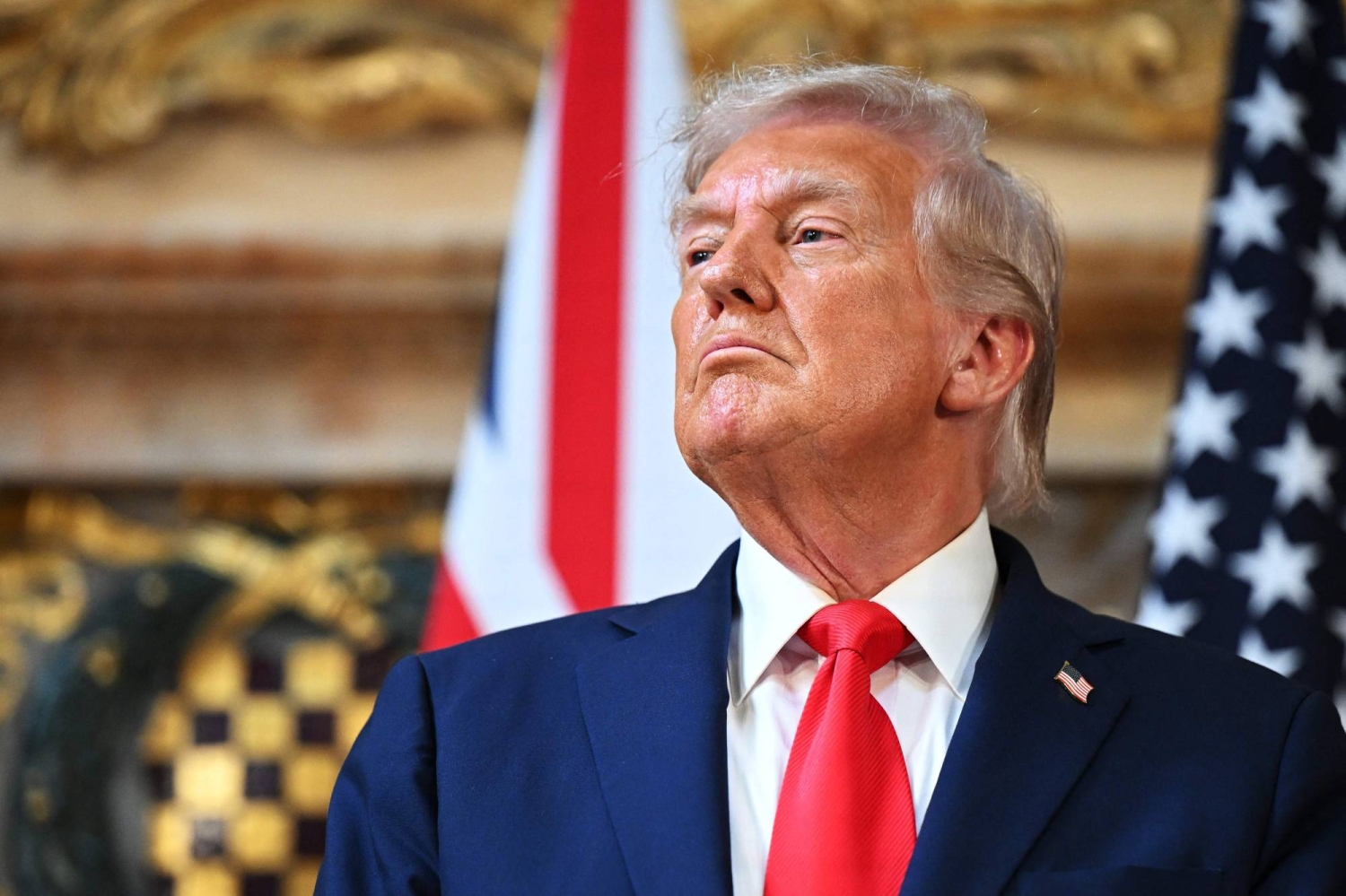
Donald Trump: The World’s Most Dangerous Politician?
A Psychological and Leadership Analysis
Introduction: Power Without Restraint
Few political figures in modern history have polarized the world as deeply as Donald J. Trump. To his supporters, he represents disruption and defiance. To critics across academia, diplomacy, and civil society, Trump represents something far more alarming: a convergence of narcissistic psychology, authoritarian impulses, and performative leadership without strategic depth.
Across continents, political scientists, psychologists, and former allies have increasingly asked a disturbing question:
Is Donald Trump the most dangerous politician in the world today?
This article examines that question through research-based psychological frameworks, leadership theory, and empirical political outcomes, rather than emotional rhetoric.
Psychological Profile: Narcissism as a Political Force
Multiple mental health professionals and political psychologists—while respecting ethical limits—have publicly identified strong narcissistic traits in Trump’s behavior. These include:
- Extreme need for admiration
- Inability to accept criticism
- Grandiosity and self-mythologizing
- Chronic victimhood narratives
- Lack of empathy toward opponents and institutions
According to political psychology research, leaders with high narcissistic traits often confuse personal validation with national interest, leading to impulsive decision-making and intolerance of dissent.
Trump’s repeated framing of criticism as “treason,” “fake,” or “enemy behavior” aligns closely with documented narcissistic defense mechanisms—denial, projection, and aggression.
This psychological pattern becomes dangerous when combined with nuclear authority, military power, and global influence.
Leadership Without Substance: Threats Over Vision
Traditional leadership theory emphasizes:
- Strategic foresight
- Institutional discipline
- Ethical restraint
- Long-term national vision
Trump’s political style, by contrast, is dominated by:
- Threatening rhetoric instead of policy coherence
- Dramatic announcements without implementation frameworks
- Personal loyalty tests replacing institutional norms
From trade wars to foreign diplomacy, Trump’s approach often relied on shock value rather than sustainable strategy. Experts note that fear-based leadership may mobilize crowds temporarily but erodes governance capacity over time.
No consistent futuristic roadmap—on climate, education, healthcare, or technological transition—emerged during Trump’s tenure. What dominated instead was continuous spectacle.
Chaos as Governance: The Absence of Discipline
One of the most frequently cited dangers in Trump’s leadership was the collapse of internal discipline:
- Cabinet members contradicting presidential statements
- Sudden policy reversals via social media
- Public humiliation of advisors and allies
- Orders issued emotionally, then retracted or denied
Such patterns violate core principles of executive governance, where clarity, predictability, and chain-of-command discipline are essential—especially in a superpower.
International allies repeatedly described dealing with Trump as “negotiating with instability.”
In leadership research, this is classified as performative authoritarianism—appearing strong while structurally weakening the system.
Democracy Under Stress: Undermining Institutions
Perhaps the most alarming dimension is Trump’s consistent delegitimization of democratic institutions:
- Courts labeled as biased when rulings went against him
- Media framed as enemies of the people
- Elections questioned without evidence
- Civil servants accused of conspiracies
Political historians warn that democracies do not collapse overnight—they erode gradually when public trust in institutions is systematically poisoned.
Trump’s rhetoric normalized the idea that only he represents the “real people,” a classic authoritarian narrative documented across failed democracies.
Are Americans Fed Up? Evidence of Fatigue
Contrary to the perception of unwavering support, multiple indicators suggest deep public exhaustion:
- Declining trust in political discourse
- Polarization reaching historic highs
- Voters reporting “constant chaos fatigue”
- Former supporters distancing themselves from his leadership style
The issue for many Americans is no longer ideology—but emotional and institutional burnout.
A nation cannot function indefinitely in a state of political adrenaline.
Why the World Watches With Concern
Trump’s influence extends far beyond American borders. When a U.S. president:
- Questions NATO commitments
- Praises authoritarian leaders
- Treats diplomacy as personal theater
…the global balance of power is affected.
Foreign policy experts argue that unpredictable superpower leadership increases global instability, emboldens dictators, and weakens democratic alliances.
Conclusion: Danger Lies Not in Loudness, but in Unchecked Power
Donald Trump’s danger does not lie merely in his words—but in the normalization of leadership without accountability, vision, or restraint.
When narcissistic psychology meets absolute power, when threats replace policy, and when drama substitutes governance, the risk is not ideological—it is civilizational.
History has shown repeatedly:
The most dangerous leaders are not those who openly reject democracy—but those who hollow it out while claiming to save it.
The question the world must confront is no longer who Donald Trump is—
but what kind of leadership modern democracies are willing to tolerate.

 Sets New Benchmarks in Global Cosmetic Education and Women Empowerment](https://worldnow.co.in/wp-content/uploads/2026/05/FB_IMG_1779691614478-120x86.jpg)