














 Sets New Benchmarks in Global Cosmetic Education and Women Empowerment](https://worldnow.co.in/wp-content/uploads/2026/05/FB_IMG_1779691614478-360x180.jpg)



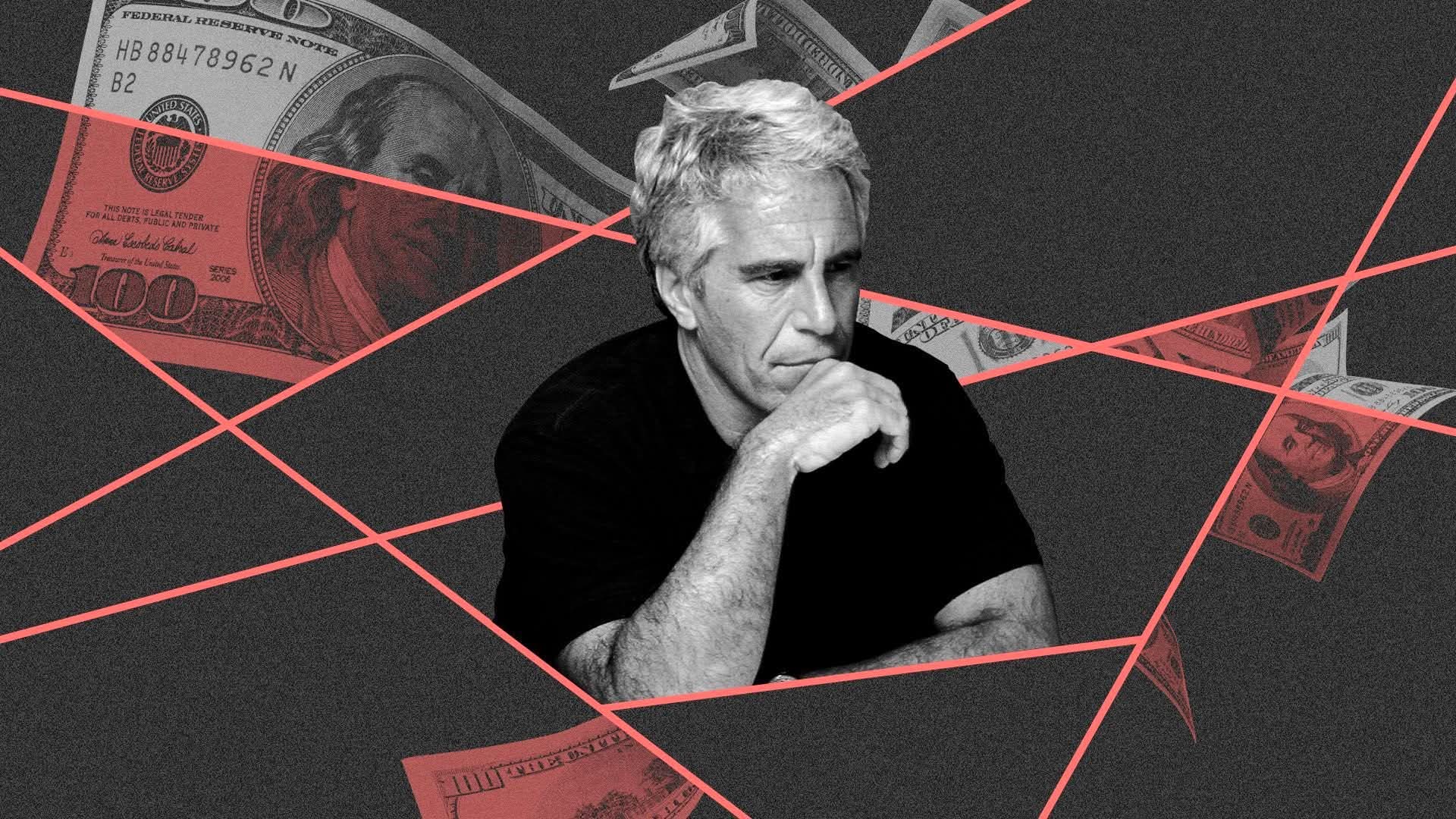
Global Spotlight on Jeffrey Epstein: The Psychology Behind Wealth, Power & Predation
New York / London / Chennai — Nearly half a decade after his death, Jeffrey Epstein’s legacy continues to dominate international headlines — not just for his crimes, but for how a once-middle-class teacher rose to extraordinary wealth, influence and immunity, and what his psychological makeup reveals about power in the 21st century.
Recent document releases by U.S. authorities have revealed hundreds of thousands of pages of emails, financial records and correspondence showing Epstein’s intricate ties to global business leaders, political figures and academic elites — from tech CEOs to royalty and prominent intellectuals. These revelations have intensified scrutiny over how his influence operated across continents and institutions.
How Epstein Built Money and Influence
Epstein’s rise was unconventional and opaque. Born to a middle-class family in Brooklyn, he began his career teaching math but quickly transitioned to Wall Street after impressing influential parents of students.
• He capitalised on early roles at investment firms to market himself as a financial insider, despite disputed credentials and a vague professional track record.
• Epstein cultivated billionaire clients, most notably retail magnate Leslie Wexner, who granted him sweeping control over his financial affairs — a turning point that underwrote Epstein’s luxurious lifestyle and expanded his global footprint.
• Strategic donations to universities and institutions, and board memberships offered visibility and an aura of legitimacy that masked the true sources and nature of his wealth.
Even as questions about his business dealings persisted, banks and institutions continued to process his funds — often despite internal warnings and the shadow of his criminal history.
Elite Networks and “Social Ponzi Schemes”
Investigative analyses describe Epstein’s circles as “networks of influence” that functioned almost like social Ponzi schemes — offering access and introductions to powerful figures in exchange for implicit support or silence. New disclosures have shown Epstein’s contacts spanned politics, finance, science, and royalty, amplifying both his reach and his ability to operate beyond scrutiny.
These networks not only facilitated his lifestyle but also tolerated or overlooked red flags, reinforcing how elite privilege can insulate individuals from accountability.
The Psychological Lens: Desire, Narcissism & Power
What made Epstein’s case particularly notable — beyond legal violations — was his psychological profile, a subject explored in Desire & Narcissism: The Psychological Disorder of the 21st Century, an upcoming book by Samaran, the acclaimed author and journalist.
According to psychological frameworks:
- Desire and narcissistic traits can fuel extreme self-focus, entitlement and a lack of empathy — traits observed in Epstein’s predatory behavior. His capacity to exploit others stemmed not only from opportunity, but from a deep pattern of objectifying people as means to his ends.
- Epstein’s strategic manipulation of networks — turning social capital into power — aligns with research showing that power amplifies existing personality predispositions, reducing empathy and increasing moral disengagement.
- His use of charm, flattery and transactional relationships mirrors classical patterns of Machiavellianism and grandiosity associated with narcissistic pathology — functioning not merely as personal vices but as systemic tools for influence.
Samaran’s research argues that Epstein exemplifies a psychological disorder shaped and amplified by the structures of global elite culture — where unchecked ambition, lack of accountability, and the pursuit of status can create fertile ground for destructive behaviors that ripple beyond victims to institutions themselves.
Why Epstein’s Story Matters Today
Epstein’s arrest, and the controversy surrounding his death in custody in 2019, sparked extensive public debate over justice, privilege and institutional failures. Today, his case remains a cautionary tale about the intersections of power, psychology and impunity — prompting renewed calls for transparency, systemic reform and deeper understanding of how elite networks can shield deviance.
As Samaran prepares to publish Desire & Narcissism, experts say the book’s timing is critical: it adds a much-needed psychological dimension to one of the most consequential scandals of the 21st century — challenging readers to reconsider not just who Epstein was, but what cultural and psychological dynamics allowed him to succeed for so long.

 Sets New Benchmarks in Global Cosmetic Education and Women Empowerment](https://worldnow.co.in/wp-content/uploads/2026/05/FB_IMG_1779691614478-120x86.jpg)