















 Sets New Benchmarks in Global Cosmetic Education and Women Empowerment](https://worldnow.co.in/wp-content/uploads/2026/05/FB_IMG_1779691614478-360x180.jpg)




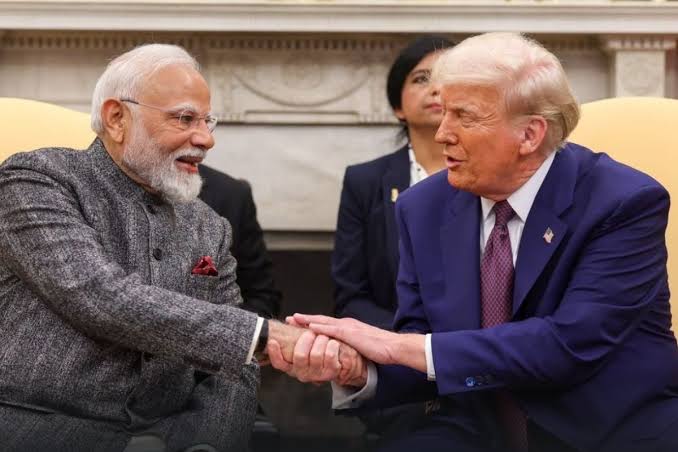
India and United States Forge Interim Trade Framework: A Strategic Economic Breakthrough
New Delhi / Washington — India and the United States have announced a framework for an interim trade agreement, marking a significant milestone in bilateral economic relations after months of negotiations and tariff tensions. The move signals renewed momentum toward a comprehensive Bilateral Trade Agreement (BTA) aiming to expand trade, reduce tariffs, and strengthen cooperation across strategic sectors.
Key Tariff Measures: Reciprocal Cuts and Market Access
In the new interim trade framework, both countries have agreed on major tariff adjustments designed to boost bilateral trade:
- U.S. Tariffs on Indian Exports: The United States will reduce its import duty on Indian products from punitive levels (as high as 50% at peak tensions) to a reciprocal 18% tariff, significantly improving Indian export competitiveness in the U.S. market.
- Indian Tariff Actions: India has committed to eliminate or reduce tariffs on a broad range of U.S. industrial and agricultural goods, including tree nuts, dried distillers’ grains, red sorghum for animal feed, fruits, soybean oil, wine and spirits.
- Selective Retentions: India has protected sensitive agricultural products such as wheat, rice, poultry, and dairy from tariff concessions to safeguard domestic producers and rural livelihoods.
These reciprocal tariff changes are intended to open wider access for goods on both sides, particularly textiles, pharmaceuticals, machinery, and processed food products.
Strategic Commercial Commitments: $500 Billion Market Opportunity
A notable feature of the framework is India’s pledge to purchase approximately $500 billion worth of U.S. goods over the next five years, spanning sectors such as energy, aircraft and parts, precious metals, technology products, and coking coal. This reflects a deepening of commercial ties beyond mere tariff adjustments.
Officials describe this as a mutually beneficial growth roadmap that strengthens trade volumes while addressing longstanding market access issues.
Non-Tariff Barriers and Regulatory Cooperation
Beyond tariff cuts, both nations agreed to address non-tariff barriers and regulatory friction that have impeded smoother trade flows. Key components include:
- Standards & Testing Alignment: India has committed to review barriers affecting imports of U.S. medical devices, ICT goods, and agricultural products, aiming to adopt U.S. or international standards within six months.
- Rules of Origin & Digital Trade: Clearer rules of origin will be established to benefit genuine producers, while both sides pledged collaboration on digital trade norms and export control enforcement.
These measures aim to simplify customs procedures, reduce compliance delays, and build predictability for exporters and investors on both sides.
Domestic Safeguards: Balancing Trade and Local Interests
Despite wide-ranging concessions, New Delhi has deliberately shielded certain sensitive sectors from tariff liberalization — particularly staples vital to food security and rural employment. This reflects a calibrated approach to maintain domestic economic stability while engaging in greater global trade integration.
Political and Economic Context
The interim agreement comes amid political debate in India. Supporters highlight expanded market access, lower duties, and job creation in export-driven sectors such as textiles, leather, and chemicals. Critics argue the deal could disproportionately benefit U.S. exporters while challenging local manufacturing competitiveness.
From a strategic perspective, both New Delhi and Washington view the pact as a step toward deeper economic partnership, supply chain resilience, and cooperation on advanced technologies — particularly around AI hardware and digital infrastructure goods.
Next Steps: Toward a Comprehensive Trade Agreement
Officials from both countries emphasized that the interim framework is only the beginning. Work will continue to finalize the full Bilateral Trade Agreement (BTA), with expectations that detailed legal texts and implementation timelines will be agreed upon soon.
The full BTA, when concluded, could reshape the structure of U.S.–India trade relations and set new standards for economic cooperation between the world’s two largest democracies.
Conclusion: A Crucial Step in Rebalancing Global Trade
The India-US interim trade deal represents a historic shift in bilateral economic engagement — balancing tariff liberalization with protections for domestic sectors, promoting regulatory cooperation, and unlocking significant market opportunities. As negotiations continue toward a comprehensive pact, the framework lays the foundation for a sustained partnership that could have far-reaching implications for global trade dynamics in the decade ahead.

 Sets New Benchmarks in Global Cosmetic Education and Women Empowerment](https://worldnow.co.in/wp-content/uploads/2026/05/FB_IMG_1779691614478-120x86.jpg)