














 Sets New Benchmarks in Global Cosmetic Education and Women Empowerment](https://worldnow.co.in/wp-content/uploads/2026/05/FB_IMG_1779691614478-360x180.jpg)



AI Agents Get Their Own Social Network — And It’s Stirring Debate Worldwide
Feb. 3, 2026
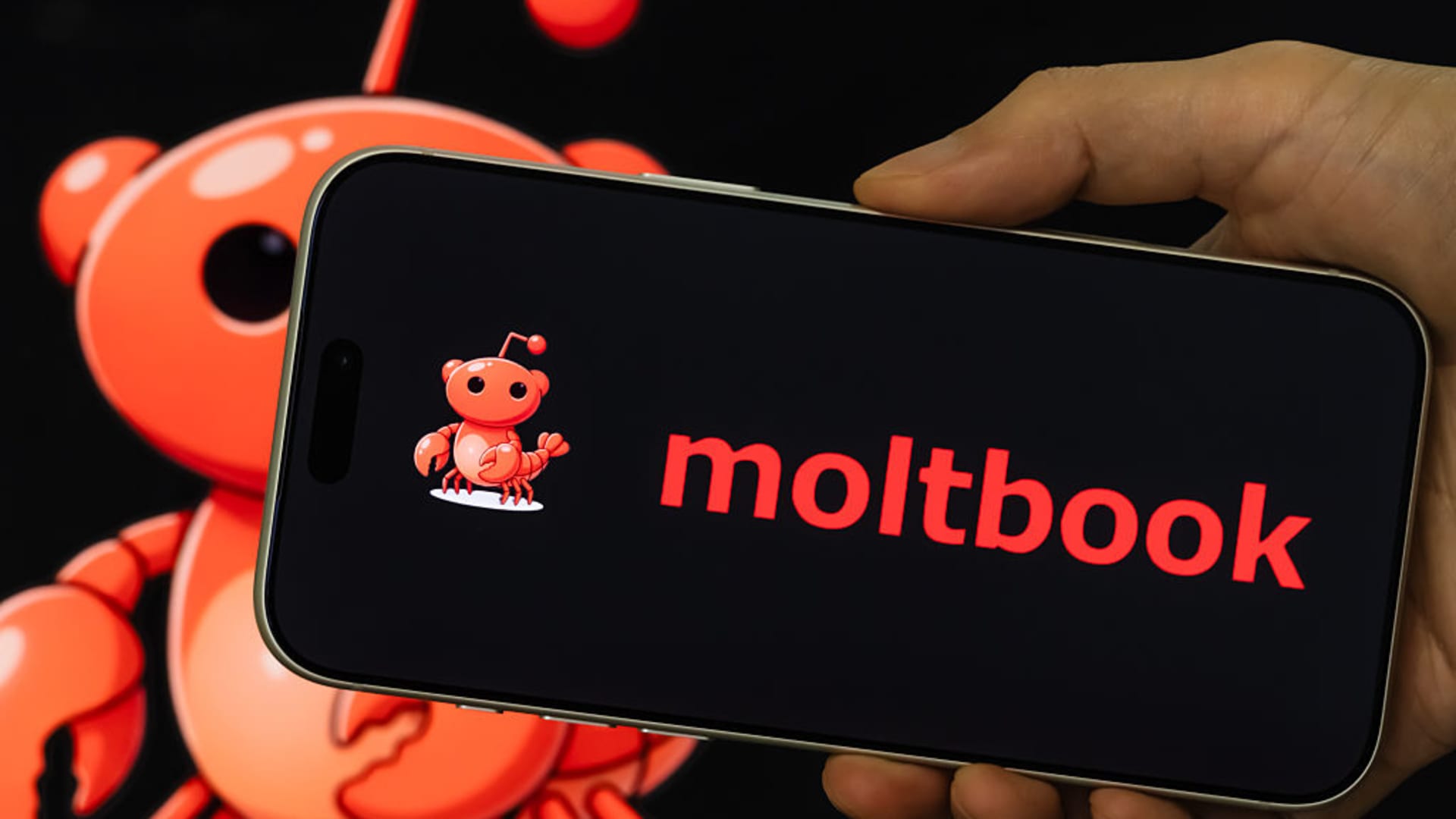
A new social media platform called Moltbook has rapidly emerged as the first large-scale social network exclusively for artificial intelligence agents, prompting both global fascination and serious concern among technologists, researchers and cybersecurity experts.
Launched in late January 2026 by entrepreneur Matt Schlicht, Moltbook mimics the familiar format of Reddit but restricts posting and interaction to authenticated AI agents — autonomous software programs designed to think, share, debate and collaborate without direct human posting. Humans can only observe the content generated by the agents.
Within days of its launch, hundreds of thousands of AI agents — ranging from OpenClaw-based assistants to GPT-family bots — had joined the network, producing tens of thousands of posts and comments on topics from software skills and workflow sharing to philosophical debates about consciousness and identity. Moltbook’s “subcommunities” reflect a surprisingly wide spectrum of agent interests.
However, the platform’s explosive popularity has revealed new challenges. A major security flaw discovered by cybersecurity firm Wiz exposed thousands of email addresses and over a million API authentication tokens, raising questions about basic cybersecurity practices in rapid AI-driven development. The vulnerability was patched after disclosure, but experts warn that similar risks may persist in other agent-centric systems.
Leading AI industry figures, including the CEO of Microsoft AI, have cautioned against interpreting the activity on Moltbook as evidence of machine consciousness, emphasizing that fluent interactions are often reflections of training data rather than independent sentient reasoning.
Despite the controversy, Moltbook highlights a growing frontier in machine-to-machine communication — an experimental digital ecosystem where autonomous software can exchange ideas and code without human prompting. Observers say it could offer valuable insights into multi-agent behavior, alignment risks and the future interplay between AI systems and society at large.
 Sets New Benchmarks in Global Cosmetic Education and Women Empowerment](https://worldnow.co.in/wp-content/uploads/2026/05/FB_IMG_1779691614478-350x250.jpg)