














 Sets New Benchmarks in Global Cosmetic Education and Women Empowerment](https://worldnow.co.in/wp-content/uploads/2026/05/FB_IMG_1779691614478-360x180.jpg)



Nipah Virus Raises Fresh Alarm in India as Global Health Experts Warn of High Fatality Risk
By Samaran, Founding Editor – WorldNow.Co.In
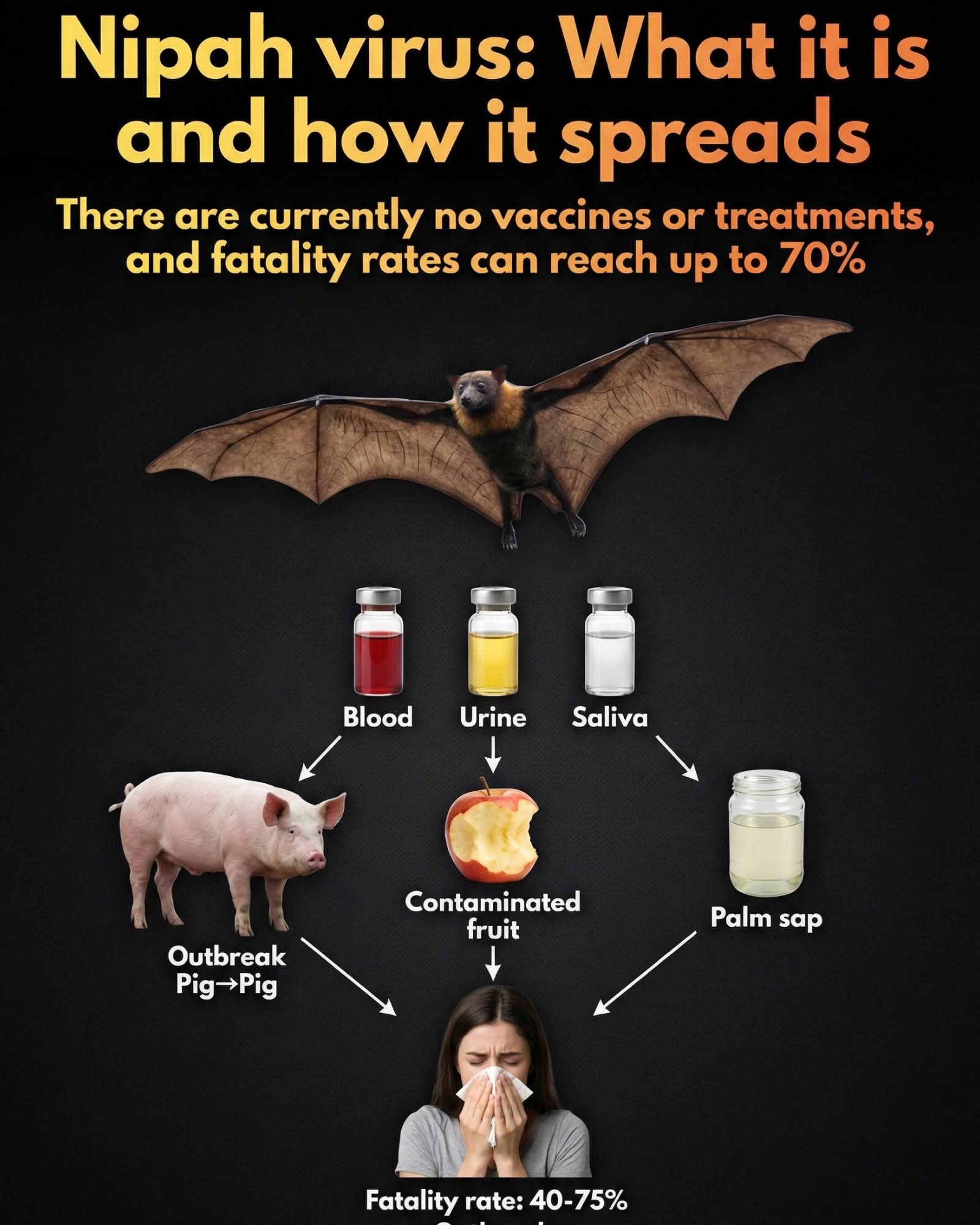
India is once again on alert as cases of the Nipah virus (NiV) resurface, reviving concerns over one of the world’s deadliest known zoonotic diseases. With a fatality rate reaching up to 70 percent and no approved vaccine or specific treatment, Nipah is classified by the World Health Organization (WHO) as a priority pathogen with significant epidemic potential.
The Nipah virus is primarily transmitted from animals to humans, with fruit bats identified as the natural reservoir. Humans can become infected through direct contact with infected bats or pigs, or by consuming food contaminated with bat saliva or urine—most notably raw date palm sap. Alarmingly, the virus is also capable of human-to-human transmission, particularly in hospital settings and among close contacts, increasing the risk of localized outbreaks.
From Flu-Like Symptoms to Fatal Encephalitis
Nipah infections often begin deceptively, presenting symptoms similar to common viral illnesses such as fever, headache, muscle pain, and sore throat. However, in many cases, the disease progresses rapidly to severe respiratory distress and acute encephalitis, a dangerous inflammation of the brain.
Medical experts warn that patients can slip into a coma within 24 to 48 hours after the onset of neurological symptoms. This rapid deterioration is a key factor behind the virus’s exceptionally high mortality rate, which has ranged between 40 and 70 percent, and has reached as high as 75 percent during certain outbreaks.
No Vaccine, No Cure—Only Supportive Care
Despite decades of research, there are currently no licensed vaccines or antiviral drugs available for Nipah virus infection in either humans or animals. Treatment remains limited to intensive supportive care, including respiratory support and management of neurological complications.
The absence of targeted therapies has prompted the WHO to place Nipah among the top priority diseases for urgent research and development, citing its ability to spread between humans and its potential to trigger wider public health emergencies.
Prevention Remains the Only Defense
In the absence of medical countermeasures, prevention is critical. Health authorities emphasize measures such as:
- Reducing human exposure to fruit bats
- Avoiding consumption of raw date palm sap
- Maintaining strict infection-control protocols in hospitals
- Rapid isolation and monitoring of suspected cases
As sporadic outbreaks continue to occur across South and Southeast Asia, international health experts are calling for accelerated development of diagnostics, vaccines, and antiviral therapies to prevent Nipah from becoming a larger global threat.
A Global Health Security Concern
The re-emergence of Nipah virus in India serves as a stark reminder of the growing risk posed by zoonotic diseases in an interconnected world. With high fatality rates, limited treatment options, and the ability to spread between humans, Nipah remains not just a regional concern—but a looming challenge to global health security.
Source: World Health Organization – Nipah Virus Infection Fact Sheet