













 Sets New Benchmarks in Global Cosmetic Education and Women Empowerment](https://worldnow.co.in/wp-content/uploads/2026/05/FB_IMG_1779691614478-360x180.jpg)


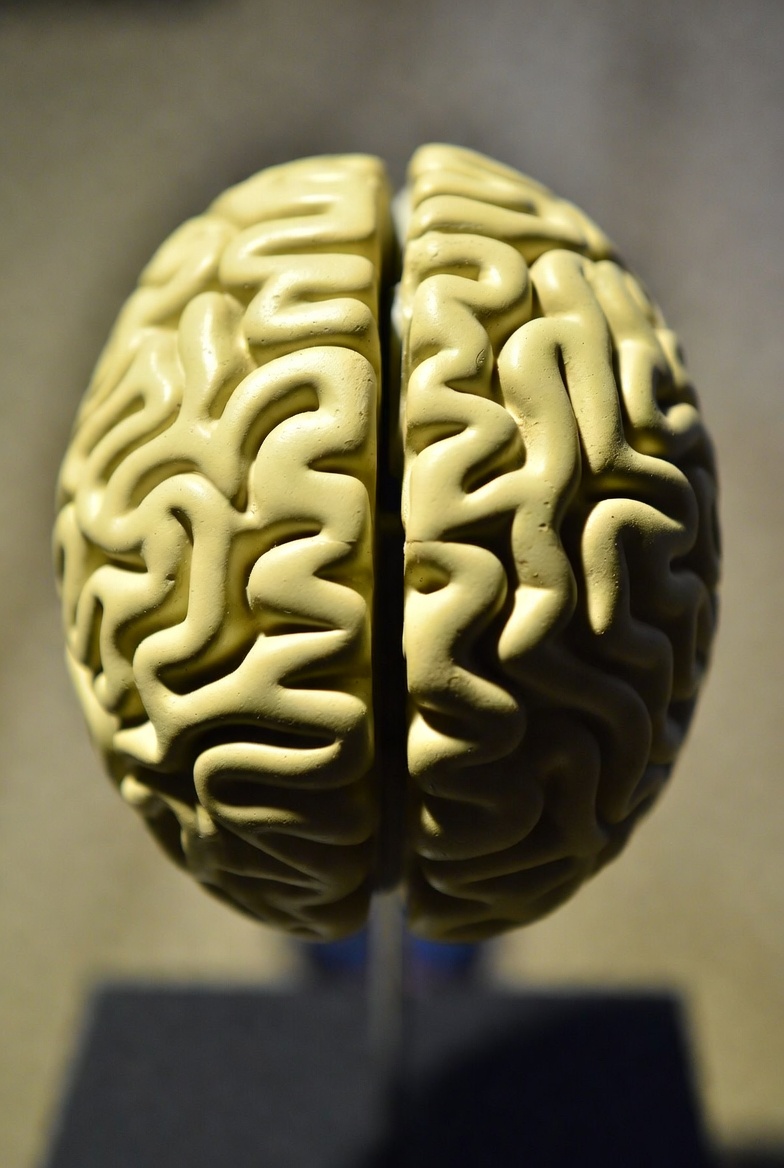
Where Psychology Meets Immunity: The Mind–Body Connection in Modern Science
Article written by Samaran, Founding Editor
In recent years, science has begun to clearly recognize what ancient wisdom long suggested: the human mind and the immune system are deeply connected. Psychology does not exist in isolation from the body. Our thoughts, emotions, stress levels, and mental health directly influence how well our immune system functions. This intersection—where psychology meets immunity—is now one of the most important areas of modern medical research.
The Science Behind the Connection
The immune system is designed to protect the body from infections, viruses, and diseases. Psychology, on the other hand, deals with emotions, behavior, stress, and mental well-being. Earlier, these two were treated as separate domains. Today, the field of psychoneuroimmunology proves otherwise.
Research shows that the brain communicates continuously with the immune system through hormones and neurotransmitters. When a person experiences chronic stress, anxiety, or depression, the brain releases stress hormones such as cortisol. While short-term cortisol can help the body respond to danger, long-term exposure weakens immune responses, making the body more vulnerable to illness.
Stress as a Silent Immune Suppressor
One of the strongest links between psychology and immunity is stress. People under prolonged mental stress are more likely to suffer from frequent infections, slower wound healing, and chronic inflammatory conditions. Stress reduces the activity of white blood cells, which are essential for fighting pathogens.
Modern lifestyles—characterized by sleep deprivation, work pressure, digital overload, and emotional isolation—have made psychological stress a global health concern. The immune system, in turn, becomes the silent victim of an overburdened mind.
Emotions, Trauma, and Immunity
Emotional states such as anger, fear, loneliness, and unresolved trauma also influence immune health. Studies indicate that individuals with strong social support and emotional stability tend to have better immune responses, including higher antibody production.
Trauma, especially when untreated, keeps the nervous system in a constant state of alert. This continuous activation exhausts immune resources over time. Mental healing, therefore, becomes a biological necessity—not just an emotional one.
Positive Psychology and Immune Strength
The connection is not only negative. Positive psychological states can actively strengthen immunity. Practices such as mindfulness, meditation, gratitude, and emotional regulation have been shown to reduce inflammation and improve immune markers.
Optimism and a sense of purpose are linked to lower rates of chronic disease. When the mind feels safe and balanced, the body reallocates energy toward repair, defense, and regeneration.
A Shift in Global Healthcare Thinking
The growing understanding of this mind–immunity relationship is slowly changing global healthcare approaches. Mental health is no longer viewed as secondary to physical health. Hospitals, public health systems, and wellness programs are beginning to integrate psychological care as a preventive medical strategy.
Treating anxiety, depression, and stress is now recognized as part of strengthening population-level immunity—especially in a world facing pandemics, lifestyle diseases, and immune-related disorders.
Conclusion
Where psychology meets immunity, a powerful truth emerges: healing cannot be divided into mental and physical compartments. The mind influences the body, and the body responds to the mind. Ignoring this connection weakens both.
In the future of medicine, immunity will not be measured only by blood tests and vaccines, but also by emotional resilience, mental balance, and psychological well-being. True health begins in the mind—and reflects in the immune system.

 Sets New Benchmarks in Global Cosmetic Education and Women Empowerment](https://worldnow.co.in/wp-content/uploads/2026/05/FB_IMG_1779691614478-120x86.jpg)