














 Sets New Benchmarks in Global Cosmetic Education and Women Empowerment](https://worldnow.co.in/wp-content/uploads/2026/05/FB_IMG_1779691614478-360x180.jpg)



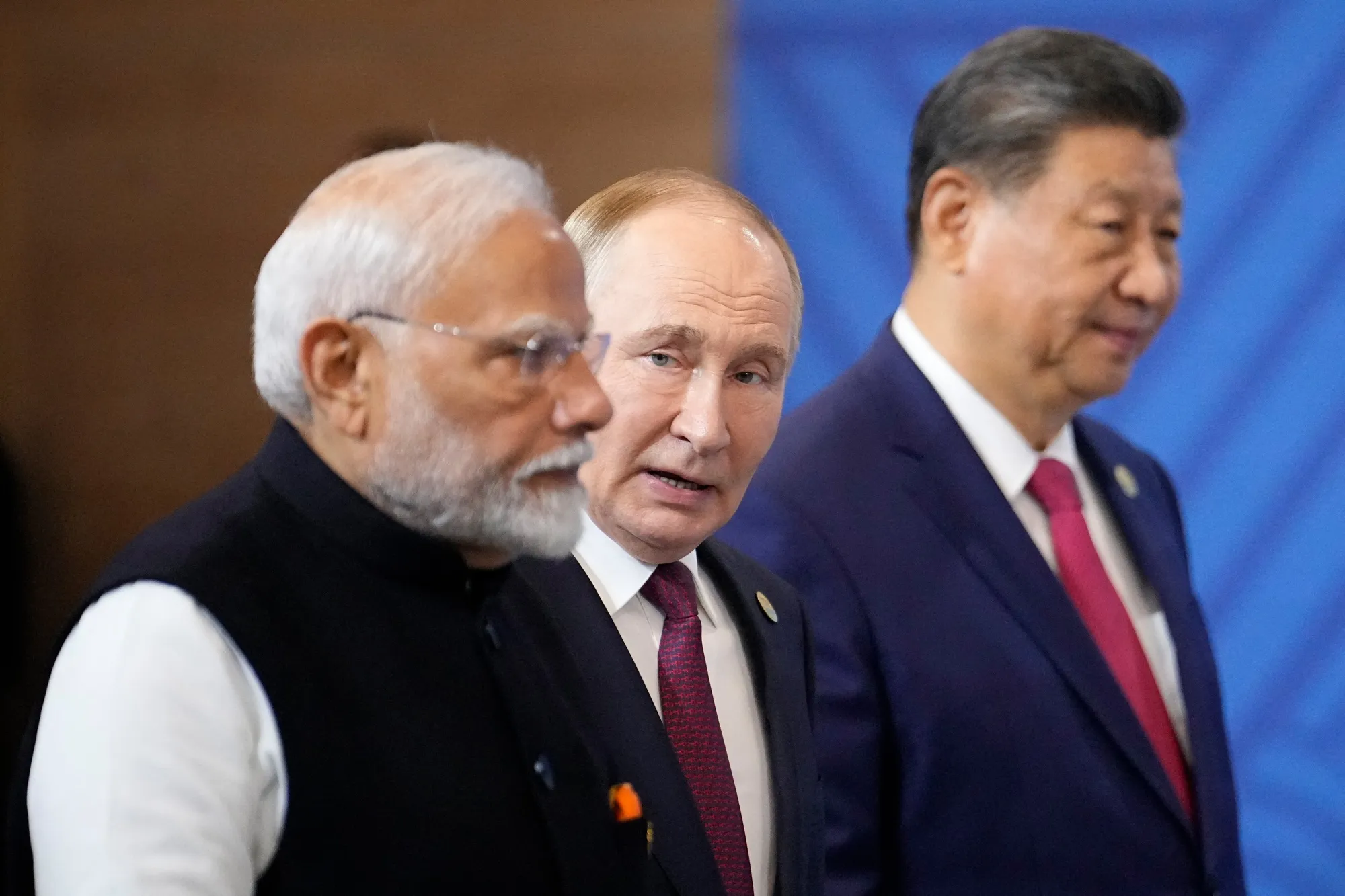
LONDON/WASHINGTON/BEIJING/DUBAI — In a seismic shift reshaping the international mobility of skilled workers, the United States imposes a steep $100,000 annual fee on H-1B visas, prompting nations like the United Kingdom, China, and the United Arab Emirates to accelerate their own initiatives to lure top global talent.
Highlights:
– US Policy Shockwave: President Donald Trump signs a proclamation mandating a $100,000 per-year fee for new H-1B petitions, effective September 21, 2025, targeting tech giants and sparking immediate backlash from industry leaders over potential innovation losses.
– UK’s Fast-Track Appeal: The UK bolsters its Global Talent Visa with 2025 updates, including streamlined endorsements for digital tech leaders and reduced fees starting at £192, positioning London as a prime alternative for H-1B applicants.
– China’s STEM Magnet: Beijing launches the innovative K visa on October 1, 2025, offering multiple entries and extended stays for young science and technology professionals without employer sponsorship, aligning with its “Talent Power Strategy.”
– UAE’s Golden Gateway: The UAE expands its Golden Visa program in 2025, adding five new categories for creatives, educators, gamers, healthcare experts, and luxury professionals, granting 10-year residencies to exceptional talents without local sponsorship.
– Broader Implications: Experts warn the US move could redirect over 300,000 annual H-1B applicants to rival hubs, fueling a global “brain gain” competition amid rising visa-free travel in Asia and Europe.
The United States, long the beacon for high-skilled immigration, delivers a jolt to its tech ecosystem as President Trump’s executive action catapults H-1B visa costs from a modest $215 to an eye-watering $100,000 annually per petition. Signed on September 19, 2025, the proclamation aims to curb what the administration terms exploitation of the program by employers seeking to undercut American wages. Tech behemoths like Amazon, Microsoft, and Meta—each approving thousands of H-1B workers yearly—scramble to advise employees against international travel, fearing retroactive fees for re-entry. Elon Musk, a vocal H-1B proponent and naturalized US citizen, decries the hike as a barrier to “the world’s smartest talent,” while critics hail it as a win for domestic job protection.
This policy pivot, exempting existing visa holders but ensnaring new applicants outside the US, coincides with a 40% drop in H-1B lottery bids for fiscal year 2026, signaling early exodus risks. Immigration experts, including Aaron Reichlin-Melnick of the American Immigration Council, challenge the fee’s legality, arguing it exceeds congressional authority to merely recover adjudication costs. As applications plummet to a four-year low of 359,000, the move threatens to erode America’s edge in STEM fields, where foreign workers comprise nearly 2.5 million roles.
Seizing the moment, the United Kingdom ramps up its Global Talent Visa, a route unburdened by employer sponsorship that fast-tracks leaders in digital technology, academia, arts, and research. Updated in 2025 with a £524 endorsement fee and £192 visa application cost—plus an NHS surcharge—the program slashes processing times and broadens eligibility for “exceptional promise” candidates. Endorsing bodies like Barclays Eagle Labs now handle tech applications, emphasizing portfolios of innovation and impact. British AI startup CEO Barney Hussey-Yeo reports over 1,000 inquiries from US-based professionals since the H-1B news, branding it an “unprecedented opportunity” for London’s burgeoning tech scene. With pathways to settlement after three years for top talents, the UK positions itself as a seamless bridge for displaced innovators, amid parallel Skilled Worker visa tweaks raising salary thresholds to £41,700.
In Asia, China emerges as a formidable contender with the debut of its K visa, tailored for young science and technology professionals and effective October 1, 2025. This multiple-entry permit, requiring no employer invitation, grants flexible stays to foster “diverse scientific and technological cultural exchanges,” per State Council revisions. Building on visa-free access for 75 countries and a 53.9% surge in such entries through mid-2025, the policy underscores Beijing’s “Talent Power Strategy,” which views global minds as “the primary resource” for innovation. Foreign Ministry spokesperson Guo Jiakun welcomes all sectors’ talents to “jointly contribute to human progress,” as international student interest in Chinese AI programs skyrockets 88% year-over-year. Cities like Shenzhen and Hangzhou eye pilot expansions to amplify the K visa’s draw in hardware and e-commerce hubs.
Meanwhile, the United Arab Emirates doubles down on its Golden Visa, a 10-year renewable residency for investors, entrepreneurs, and specialists, now encompassing five fresh 2025 categories: creatives in arts and culture, educators, gamers under the DPG33 digital initiative, healthcare pioneers, and luxury lifestyle experts. No local sponsor required, the program—launched in 2019 and supercharged under Vision 2030—offers exclusive perks like family inclusion and business setup ease, targeting a diverse influx to fuel economic diversification beyond oil. Abu Dhabi’s Residents Office streamlines applications for “brilliant talents,” while Dubai’s gaming visa taps a $1.8 billion global market, hosting tournaments and startups. Expanded visa-on-arrival for Indians further boosts UAE’s allure as a talent and tourism nexus.
As these pathways proliferate, analysts like Charles-Henry Monchau of Syz Group predict a “painful” innovation dip for the US, with redirected talent streams invigorating rivals’ economies. Immigration lawyer Jorge Lopez warns of offshored operations, while firms like San Francisco’s Metaview pivot to poach US workers eyeing exits. In this high-stakes contest for human capital, borders blur, and the winners stand to redefine global technological leadership for decades. Legal challenges to the US fee loom, but for now, the world watches as talent flows toward opportunity’s new frontiers.
 Sets New Benchmarks in Global Cosmetic Education and Women Empowerment](https://worldnow.co.in/wp-content/uploads/2026/05/FB_IMG_1779691614478-350x250.jpg)