







 Sets New Benchmarks in Global Cosmetic Education and Women Empowerment](https://worldnow.co.in/wp-content/uploads/2026/05/FB_IMG_1779691614478-360x180.jpg)

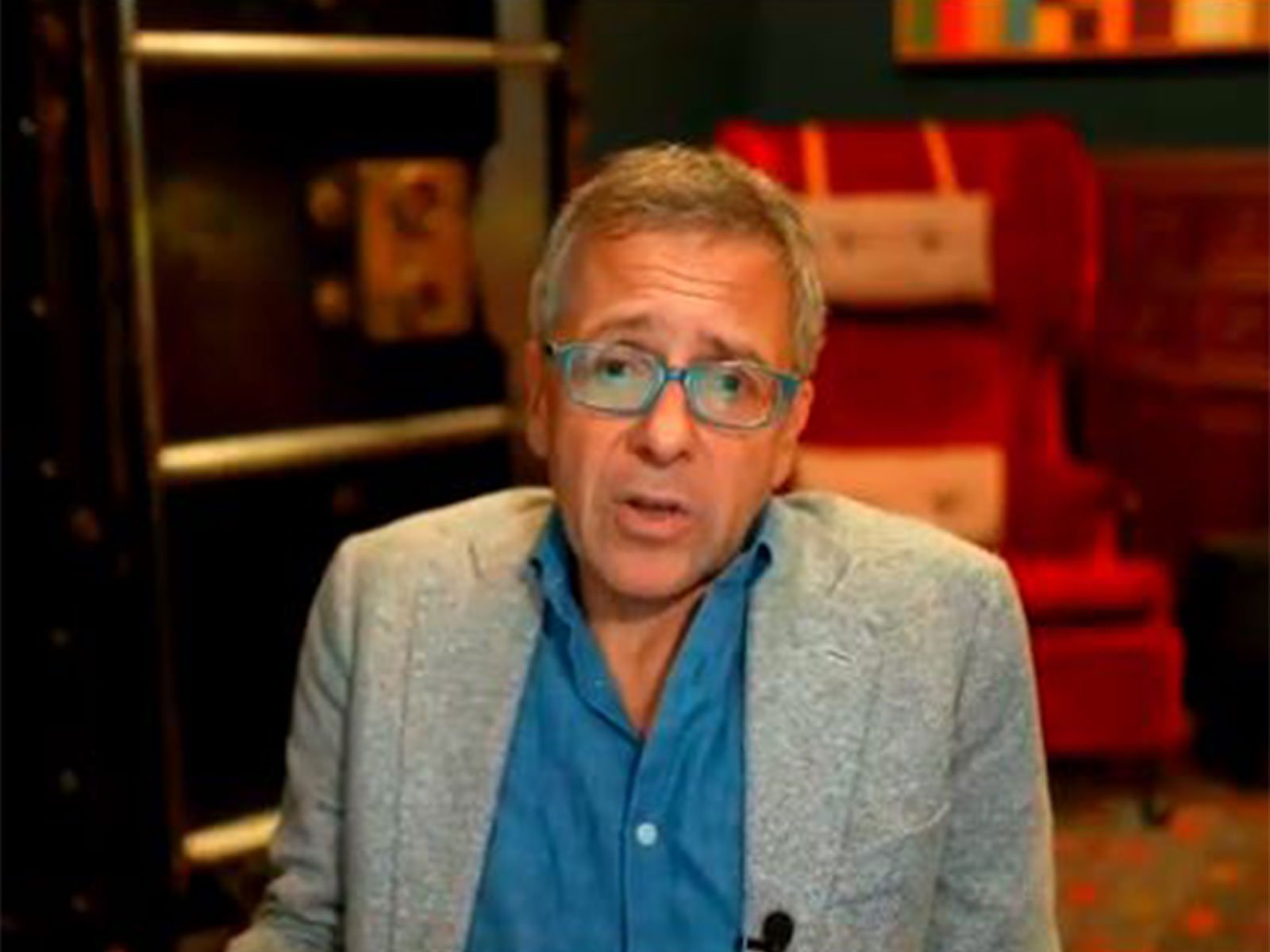
New Delhi, India – Political scientist and Eurasia Group President Ian Bremmer praises Indian Prime Minister Narendra Modi for boldly rejecting US President Donald Trump’s assertions of mediation in the recent India-Pakistan escalation, calling it a rare display of political independence among US allies.
In an exclusive interview with ANI on Friday, Bremmer highlights Modi’s decision to publicly contradict Trump as a strategic move that embarrasses the US leader on the global stage while bolstering Modi’s domestic standing. “PM Modi could easily not embarrass Trump about the India-Pak issue but decides to publicly say no,” Bremmer states, emphasizing that most world leaders opt for discretion in such matters.
The comments stem from Trump’s recent claims that he played a key role in de-escalating tensions between India and Pakistan following India’s Operation Sindoor in May, which targeted terrorist infrastructure in Pakistan and resulted in the death of a Qatari citizen. Saudi Arabia, a close US ally, expresses fury over the incident, viewing the subsequent Saudi-Pakistan security pact as a direct fallout from the strikes.
Bremmer contrasts Modi’s forthright approach with the more accommodating stances of other leaders, such as UK Prime Minister Keir Starmer, who often disagree with Trump privately but avoid public confrontations. “Modi could have easily not embarrassed Trump about the India-Pakistan issue. And instead, Modi decides to publicly say, ‘No, you had nothing to do with this,’ and really does embarrass Trump on the global stage. And most other leaders in the world would suck it up and not say anything,” Bremmer explains.
He signals that Modi’s public rebuttal not only asserts India’s autonomy but also underscores a broader shift in global alliances under Trump’s second term. Bremmer warns of potential complications for India, including strains on security and economic ties with the US, amid reports of deepening Trump family business interests in Pakistan. “The Trump family and its circle show kleptocratic, oligarchic impulse, doing business with Pakistan,” Bremmer observes, framing the engagements as driven by profit rather than strategy.
The interview occurs against the backdrop of heightened US-India tensions, including Washington’s tariff threats on India’s Russian oil imports. Bremmer notes Modi’s recent shared limousine ride with Russian President Vladimir Putin at the Shanghai Cooperation Organisation summit in China as a pointed signal to the US, highlighting perceived American “hypocrisy” on energy sanctions. “If the US isn’t interested in a strong Europe, it’s hard to imagine interest in a strong India,” Bremmer adds, cautioning allies about Washington’s unreliability.
Bremmer also commends Modi’s diplomatic outreach to Chinese President Xi Jinping, aimed at stabilizing bilateral ties without forging deeper alliances. “It’s Modi’s to be congratulated for his efforts to reach out to Xi Jinping not to build a friendship, not to build an alliance, but to stabilize the relationship, which is good not just for India and China, but frankly, it’s good for the world. We don’t want World War III.”
As India navigates these complex dynamics, Bremmer’s remarks underscore Modi’s evolving role as a counterweight to US dominance, potentially reshaping Indo-Pacific strategies in the months ahead.
 Sets New Benchmarks in Global Cosmetic Education and Women Empowerment](https://worldnow.co.in/wp-content/uploads/2026/05/FB_IMG_1779691614478-120x86.jpg)