













 Sets New Benchmarks in Global Cosmetic Education and Women Empowerment](https://worldnow.co.in/wp-content/uploads/2026/05/FB_IMG_1779691614478-360x180.jpg)



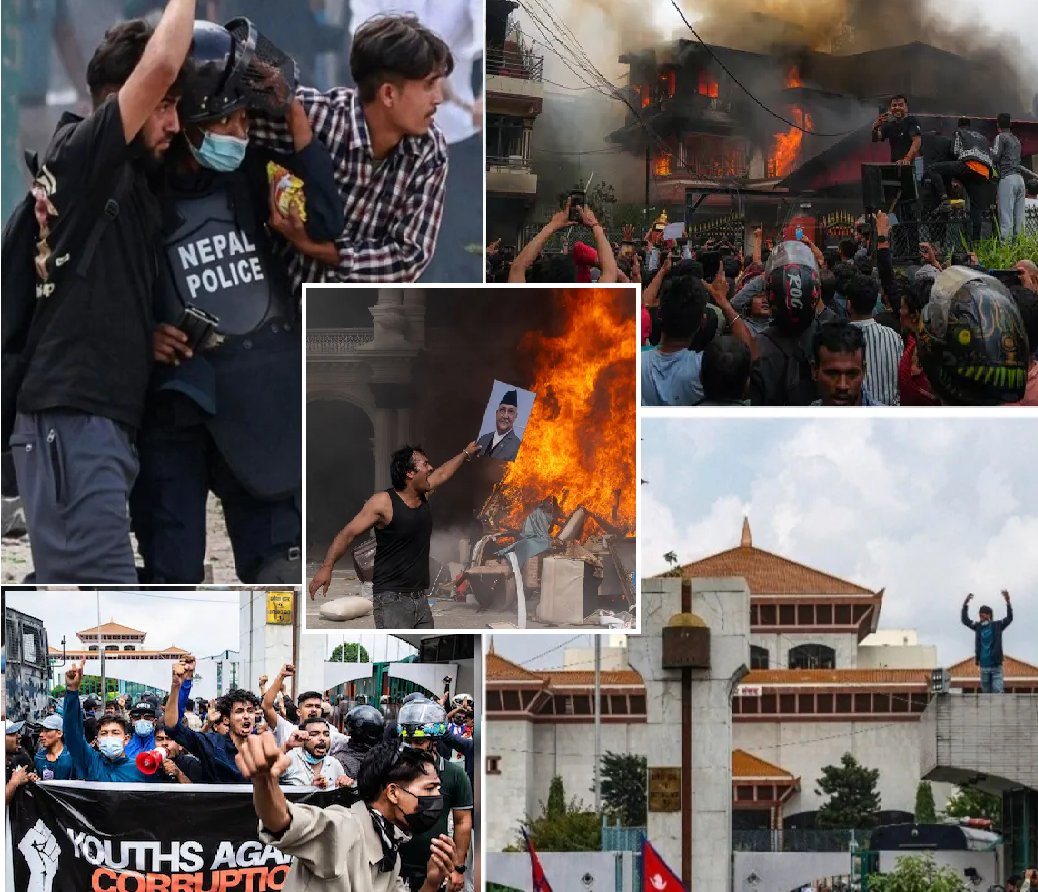
Kathmandu, Nepal – Nepal’s Foreign Minister Dr. Arzu Rana Deuba and her husband, four-time former Prime Minister Sher Bahadur Deuba, were brutally assaulted in their Kathmandu residence on Tuesday amid escalating anti-corruption protests led by young demonstrators. Viral videos circulating on social media capture the chaotic attack, showing the couple bloodied and manhandled by a mob of Gen Z protesters who stormed their home in the Budanilkantha neighborhood.
The incident marks a violent peak in nationwide unrest that has gripped the Himalayan nation, forcing Prime Minister K.P. Sharma Oli to resign earlier in the day and leaving key government buildings in flames. Despite the government’s reversal of a controversial social media ban, protesters continue to demand accountability for widespread corruption, nepotism, and mismanagement, accusing political leaders across parties of entrenching elite privileges at the expense of the youth.
Eyewitness footage shows protesters forcing entry into the Deubas’ home, where Arzu Rana Deuba, 63, is seen being kicked, punched, and dragged by the crowd. Sher Bahadur Deuba, 78 and president of the Nepali Congress party, appears bleeding from his face as he is pulled from the scene. In a moment of internal division among the demonstrators, some protesters intervene to shield the couple from further violence, highlighting the disorganized fury of the uprising. Nepal Army personnel eventually arrived to rescue the pair, escorting them to safety amid reports of their residence being vandalized and partially set ablaze.
The assault on the Deubas is part of a broader wave of targeted attacks on Nepal’s political establishment. Protesters have torched the parliament building in the Singha Durbar complex, the residences of President Ram Chandra Paudel and outgoing Prime Minister Oli, as well as homes belonging to other former leaders like Pushpa Kamal Dahal “Prachanda.” Finance Minister Bishnu Prasad Paudel was chased through Kathmandu streets by a mob, crashing into a wall in his escape. In a tragic escalation, the wife of another ex-Prime Minister, Jhala Nath Khanal, died from severe burn injuries after protesters set their home on fire, trapping her inside.
The protests erupted last week following the imposition of a social media blackout, which authorities justified as a measure to curb “fake news” but which critics decried as an attempt to silence dissent. Even after the ban was lifted on Monday, demonstrations intensified after security forces clashed with protesters, killing at least 19 young demonstrators and injuring over 300 others. Defying an indefinite curfew, thousands of Gen Z activists—many in their teens and 20s—have flooded Kathmandu’s streets, chanting slogans like “Shut down corruption, not social media” and using hashtags such as #NepoKid to rail against dynastic politics.
Oli’s resignation, announced amid the chaos, has done little to quell the anger. Local media reports suggest he fled the country by helicopter, while army chief General Ashok Raj Sigdel has deployed troops to restore order and protect public property. Tribhuvan International Airport remains closed, with all flights suspended, stranding travelers and fueling rumors of a leadership exodus.
International observers express alarm at the unraveling situation, with the Indian Embassy issuing a helpline for citizens in Nepal and airlines like Air India and IndiGo halting services. The United States, a key donor, has urged restraint from all sides, while rights groups condemn the violence but acknowledge the protesters’ grievances over systemic graft that has plagued Nepal since its 2008 transition to democracy.
As smoke rises over Kathmandu’s landmarks, the protests underscore a generational revolt against entrenched power. Whether this leads to meaningful reform or further bloodshed remains uncertain, but Nepal’s fragile political order hangs in the balance.